Barrasso rejects China 'sellout' charge ahead of Trump-Xi talks
Synopsis
With the Trump-Xi meeting looming, Senate Majority Whip John Barrasso fired back at Democratic leader Chuck Schumer's 'sellout' charge, insisting the US enters the talks from a position of strength — but offered no independent evidence for several key claims, and did not engage with Schumer's three bipartisan tech-control bills.
Key Takeaways
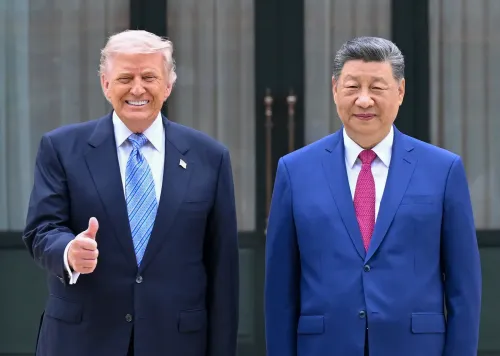
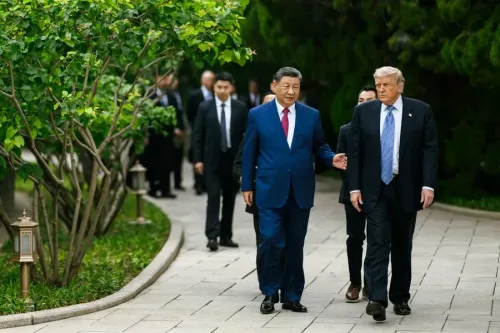
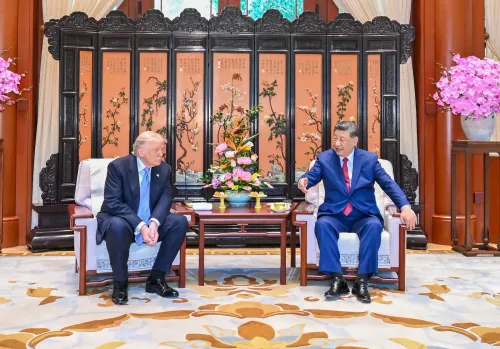
Senate Majority Whip John Barrasso rejected Democratic suggestions that President Trump would concede too much in his upcoming meeting with Chinese President Xi Jinping .
Senate Democratic leader Chuck Schumer had urged Trump to block China's access to advanced American AI chips and chipmaking equipment.
Barrasso described the administration's China posture as 'peace through strength,' citing manufacturing, energy, and critical minerals as leverage.
Barrasso referenced a Greenland agreement aimed at barring Chinese military bases or critical investments, but did not release the agreement's text.
Both parties agree China's access to US technology is a security concern; they differ on whether Trump has enforced export controls rigorously enough.
Schumer called for Senate action on three bipartisan bills on tech export restrictions; Barrasso did not address them individually.
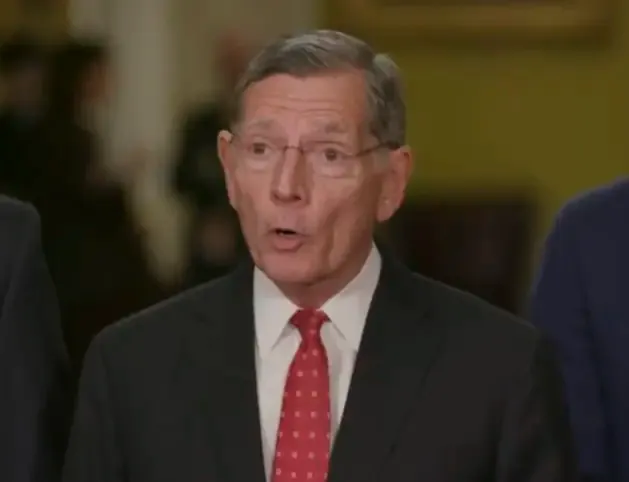
US Senate Majority Whip John Barrasso on Wednesday firmly pushed back against Democratic accusations that President Donald Trump might concede too much to China, insisting that the United States was entering talks between Trump and Chinese President Xi Jinping from a position of strength. The Wyoming Republican's remarks came as lawmakers from both parties sought to shape the agenda ahead of the high-stakes bilateral meeting.
Barrasso's Rebuttal to Schumer
The rebuke was directed squarely at Senate Democratic leader Chuck Schumer, who had urged Trump to block China's access to advanced American artificial intelligence chips and chipmaking equipment. Barrasso said he had heard Schumer suggest that Trump would 'sell out' US interests in the negotiations.
'Let me set the record straight,' Barrasso said in remarks released by his office on Wednesday. He characterised the administration's overall posture toward Beijing as one of 'peace through strength' — a phrase long favoured by Republican foreign policy hawks.
The Economic and Strategic Case Barrasso Made
Barrasso argued that American manufacturing, domestic energy production, and secured access to critical minerals were central pillars underpinning Washington's negotiating position. He called for reducing US dependence on China for medicines, raw materials, and minerals while safeguarding American technology from what he described as Chinese theft.
'America cannot continue to lead the free world if we allow China to steal our best ideas and newest technology,' he said. These are the senator's own assessments; the materials released do not include an independent accounting of the administration's record on these fronts.
Greenland, Energy, and the Broader Containment Frame
Barrasso also pointed to a recently announced agreement concerning Greenland, which he said would prevent China and other US adversaries from establishing military bases or making critical investments on the strategic island. His release did not provide the agreement's text or detail how those restrictions would be enforced.
On energy, Barrasso claimed that measures taken by the Trump administration had made it harder for China to obtain discounted oil from Venezuela and Iran. He also referenced penalties on energy imports from Russia and Iran, noting that China — as a significant buyer of Russian energy — would be exposed to them. The released remarks did not set out the penalties' specific terms or their demonstrated effect on Chinese purchases.
'Weakness invites. Strength deters,' Barrasso said, framing these steps as part of a coordinated effort to counter China, Russia, and Iran simultaneously.
Where the Two Parties Agree — and Diverge
Notably, the exchange between Barrasso and Schumer reveals a rare area of bipartisan consensus: that China's access to American technology is a genuine national security concern. The dispute is over execution — specifically, whether the Trump administration has been rigorous enough in enforcing export controls on advanced AI technology.
Schumer separately called on the Senate to advance three bipartisan bills related to technology export restrictions. Barrasso did not address those bills individually in his released statement, leaving the legislative path forward unclear.
What Comes Next
The Trump-Xi meeting remains one of the most closely watched diplomatic events of the current US political calendar, with both parties in Congress signalling they will hold the administration accountable on technology and trade outcomes. How the White House navigates the competing pressures from Republican hawks and Democratic critics could define the contours of US-China policy for the remainder of Trump's term.
Point of View
The energy penalties' impact on Chinese oil purchases was not quantified, and the 'record' he defends relies entirely on the administration's own characterisation. Schumer's call for bipartisan legislation is the harder ask, because it would bind a future president too — which is precisely why the White House has not embraced it. The real story here is not a partisan spat but a bipartisan alarm about China's AI ambitions that neither side has yet translated into enforceable law.
NationPress
24 Sept 2026
Frequently Asked Questions
Why did Senator Barrasso push back against Schumer over China?
Barrasso rejected Democratic leader Chuck Schumer's suggestion that President Trump would 'sell out' US interests in his upcoming meeting with Chinese President Xi Jinping. Barrasso argued the US enters the talks from a position of strength, citing domestic manufacturing, energy production, and critical mineral access as leverage.
What has Schumer demanded regarding US-China tech policy?
Schumer has urged Trump to block China's access to advanced American AI chips and chipmaking equipment, and called on the Senate to advance three bipartisan bills tightening technology export controls. He accused the administration of allowing chip sales that could help China advance in artificial intelligence.
What is the Greenland agreement Barrasso referenced?
Barrasso pointed to a recently announced agreement concerning Greenland that he said would prevent China and other US adversaries from establishing military bases or making critical investments there. His office did not release the agreement's text or detail how the restrictions would be enforced.
Where do Republicans and Democrats agree on China policy?
Both parties agree that China's access to American technology poses a national security risk. The dispute is over enforcement — Schumer contends the Trump administration has not been stringent enough on AI chip export controls, while Barrasso insists the president understands and is addressing the stakes.
What happens next in the Trump-Xi talks?
The Trump-Xi meeting is among the most consequential diplomatic events on the current US calendar. Congressional pressure from both parties will intensify after the meeting, particularly on outcomes related to technology transfer, trade, and energy policy.