Trump-Xi Beijing summit ends without major breakthroughs, experts say
Synopsis
Trump called it historic; experts called it damage control. The Beijing summit produced no binding deals on tariffs, Taiwan, or Iran — only vague mechanisms and disputed claims about Boeing purchases. With Trump floating Taiwan arms sales as a bargaining chip, the meeting may have raised more strategic questions than it answered — especially for India and the broader Indo-Pacific.
Key Takeaways
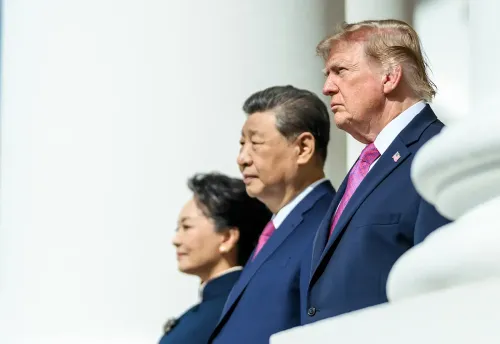
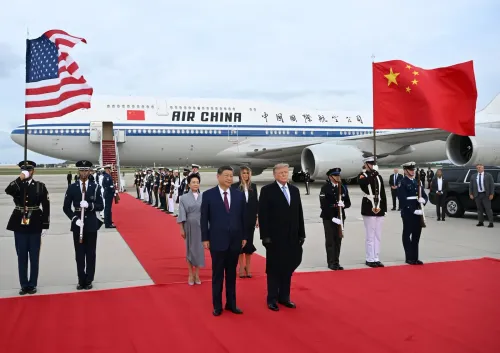
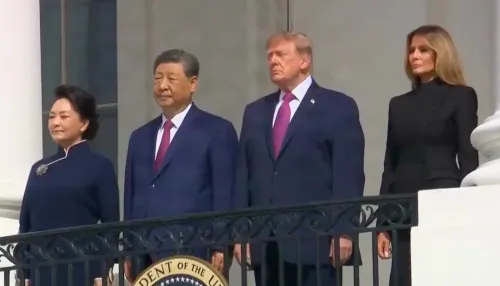
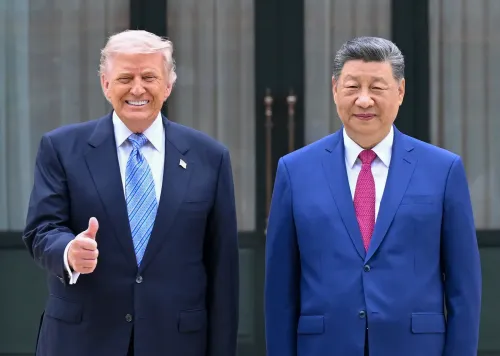
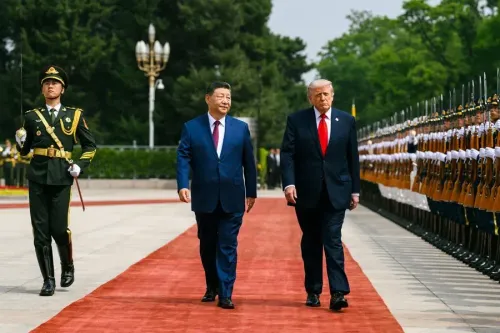
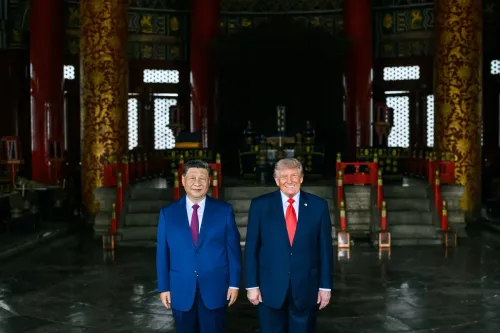
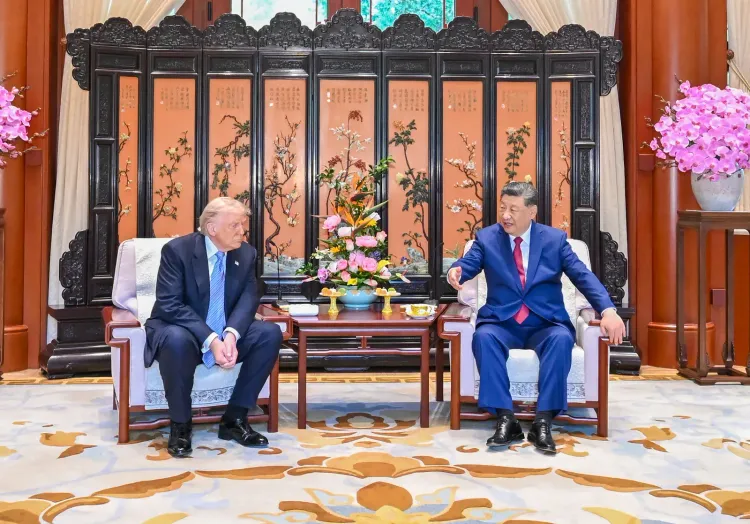
President Trump and President Xi Jinping held a two-day summit in Beijing on 17 May , with no major strategic breakthroughs announced.
Former US Defence Secretary Robert Gates said the summit's primary goal appeared to be stabilising — not advancing — the US-China relationship.
Trump said tariffs 'didn't come up' ; US Trade Representative Jamieson Greer later said trade talks had been handled before the leaders met.
Trump signalled he could use US arms sales to Taiwan as a 'negotiating chip' with Beijing, drawing concern from Taipei .
New 'Board of Trade' and 'Board of Investment' mechanisms were agreed upon, with Boeing aircraft purchases and US agricultural imports claimed but unconfirmed in detail.
For India , the summit's implications for Indo-Pacific security and supply-chain diversification are significant.
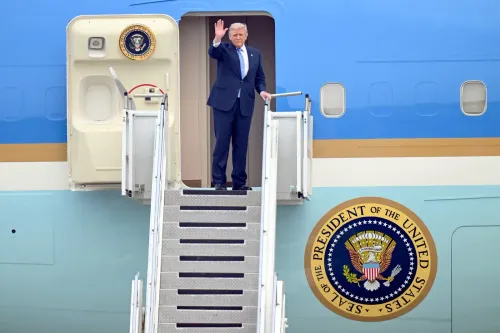
US President Donald Trump returned from a two-day summit in Beijing with Chinese President Xi Jinping on 17 May facing mounting scrutiny over whether the high-profile meeting yielded any concrete strategic gains between the world's two largest powers. Experts and analysts who assessed the summit's outcomes broadly concluded that stabilisation — not transformation — was the primary result.
What the Summit Achieved
Trump publicly described the visit as 'a tremendous success' and 'a historic moment', according to remarks highlighted on ABC News. However, several major announcements remained vague, and core flashpoints — including Taiwan, tariffs, and the broader trajectory of US-China relations — were left unresolved.
Former US Defence Secretary Robert Gates, speaking on CBS News, offered a more measured assessment. 'I think that the main objective for the administration... was simply to keep a lid on the relationship,' Gates said, adding that both sides were working to 'keep a floor under it so it doesn't deteriorate.'
Trade: Deals Claimed, Details Elusive
Trade remained among the summit's most unresolved issues. Trump told reporters that tariffs 'didn't come up' during his meetings with Xi — a claim that drew scepticism given the central role tariffs have played throughout both of his presidencies.
US Trade Representative Jamieson Greer subsequently clarified on both CBS News and ABC News that trade negotiations had largely been conducted before the two leaders convened. Greer said Washington and Beijing had agreed to establish new 'Board of Trade' and 'Board of Investment' mechanisms to formalise economic engagement. The administration also claimed China had agreed to purchase Boeing aircraft and expand imports of American agricultural products, though detailed terms were still being finalised.
Taiwan and the Arms Sales Question
One of the summit's most sensitive moments involved Taiwan. Trump indicated he could use future US arms sales to Taiwan as a 'negotiating chip' with Beijing — a signal that triggered concern in Taipei and among some American lawmakers.
Taiwan's Representative to Washington, Alexander Yui, warned on CBS News that Taiwan required continued American weapons support to deter Chinese pressure. Gates, meanwhile, cautioned that China posed a broader strategic challenge to the US than any previous rival, including the Soviet Union. 'We have not faced a country that was as technologically advanced as we are,' Gates said.
Iran and the Strait of Hormuz
The summit also unfolded against a backdrop of rising Middle East tensions and concerns over the Strait of Hormuz, a critical conduit for global oil shipments. Greer said Trump had pressed Xi not to provide material support to Iran and had sought Chinese cooperation in keeping the Strait open — though no public commitments from Beijing were announced.
Political Fallout and India's Stake
House Democratic leader Hakeem Jeffries said on ABC News that Trump had gone to China 'on bended knee' after being 'consistently out-negotiated,' reflecting broader Democratic criticism that the summit delivered symbolism over substance.
For India, the summit carried significant geopolitical weight. Its implications span Taiwan, Indo-Pacific security, global trade architecture, and supply-chain diversification. India continues to position itself as both a strategic partner for Washington and a manufacturing alternative to China, even as it navigates its own competitive pressures with Beijing in the region. How the US-China relationship stabilises — or destabilises — will directly shape the strategic choices available to New Delhi in the months ahead.
Point of View
No Taiwan red lines, no binding Iran commitment. Trump's suggestion that Taiwan arms sales could serve as a 'negotiating chip' is a significant rhetorical shift — one that, if operationalised, would upend decades of US deterrence signalling. Gates's framing that the summit's goal was merely to 'keep a lid' on the relationship is a sobering admission that the world's most consequential bilateral relationship is being managed, not shaped. For India, the ambiguity is both an opportunity and a risk: Washington's strategic bandwidth for the Indo-Pacific narrows every time a Beijing summit produces process over outcomes.
NationPress
1 Oct 2026
Frequently Asked Questions
What was the outcome of the Trump-Xi Beijing summit?
The summit ended without major strategic breakthroughs, according to experts. Analysts broadly assessed that the primary achievement was stabilising the US-China relationship rather than resolving core disputes over tariffs, Taiwan, or Iran.
Did Trump and Xi reach any trade agreements?
No binding trade agreement was announced. The two sides agreed to establish 'Board of Trade' and 'Board of Investment' mechanisms to formalise economic ties. The administration also claimed China agreed to buy Boeing aircraft and increase agricultural imports, but detailed terms were still being finalised at the time of reporting.
What did Trump say about Taiwan at the Beijing summit?
Trump indicated that future US arms sales to Taiwan could be used as a 'negotiating chip' with Beijing. The remark drew concern from Taiwan's Representative to Washington, Alexander Yui, who stressed that continued US weapons support was essential for deterrence.
How did Democrats respond to the summit?
House Democratic leader Hakeem Jeffries said Trump had gone to China 'on bended knee' after being 'consistently out-negotiated,' accusing the administration of returning with symbolism rather than substantive achievements.
Why does the Trump-Xi summit matter for India?
The summit carries significant implications for India across Taiwan, Indo-Pacific security, global trade, and supply-chain diversification. India is positioning itself as both a strategic partner for Washington and a manufacturing alternative to China, making the direction of US-China relations a direct factor in New Delhi's own strategic calculus.