Trump-Xi summit heavy on symbolism, light on substance: CFR experts
Synopsis
The Trump-Xi Beijing summit looked historic on the surface — but CFR's top China hands say it delivered a fragile pause, not a reset. With China wielding rare earths as a ‘Sword of Damocles,’ a $200 billion trade-deal precedent that never materialised, and Trump floating a call with Taiwan’s president, the détente is thinner than the optics suggest.
Key Takeaways
The Trump-Xi Beijing summit produced no concrete breakthroughs on Taiwan , tariffs, technology controls, rare earths or Iran , according to CFR analysts.
Rush Doshi (CFR) said China’s goal was to ‘buy time and stability’ — and largely succeeded.
Heidi Crebo-Rediker warned the US is ‘years away from resilience’ on rare earth supply chains, which Beijing can use as economic leverage.
Zongyuan Zoe Liu cautioned that reported Chinese commitments to buy US goods may not materialise, citing the unmet $200 billion phase one trade deal.
David Sacks flagged Trump’s suggestion of a call with Taiwanese President William Lai as a potential diplomatic flashpoint, noting no sitting US president has spoken to a Taiwanese counterpart since 1979 .
Chris McGuire warned that US AI chip sales to China could triple Beijing’s AI computing capacity.
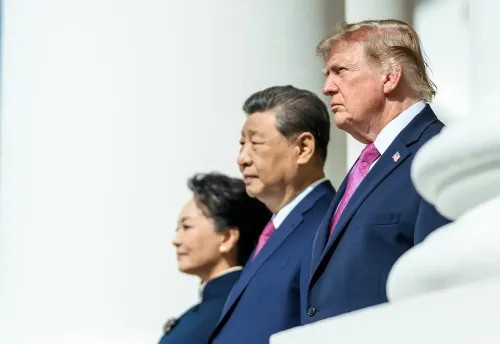
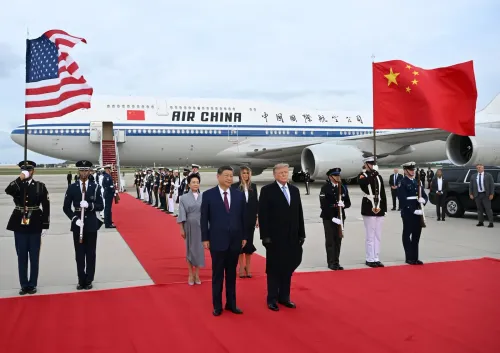
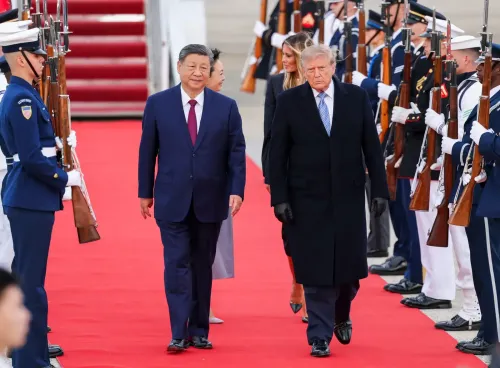
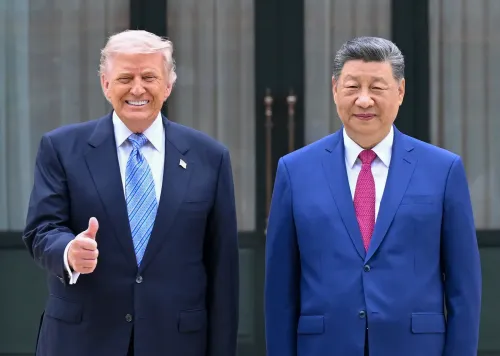
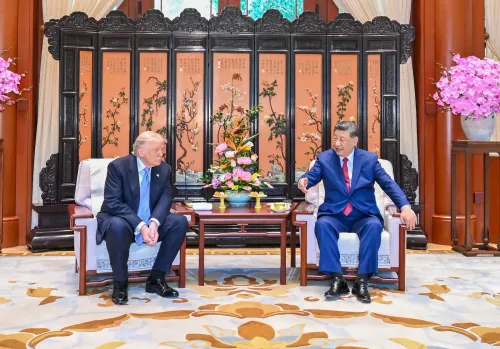
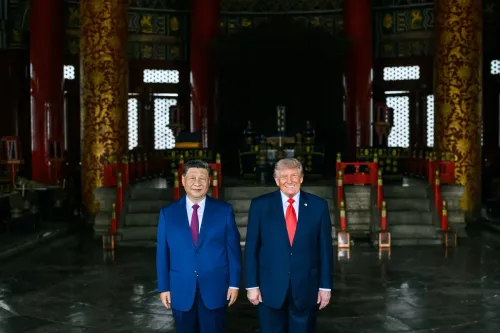
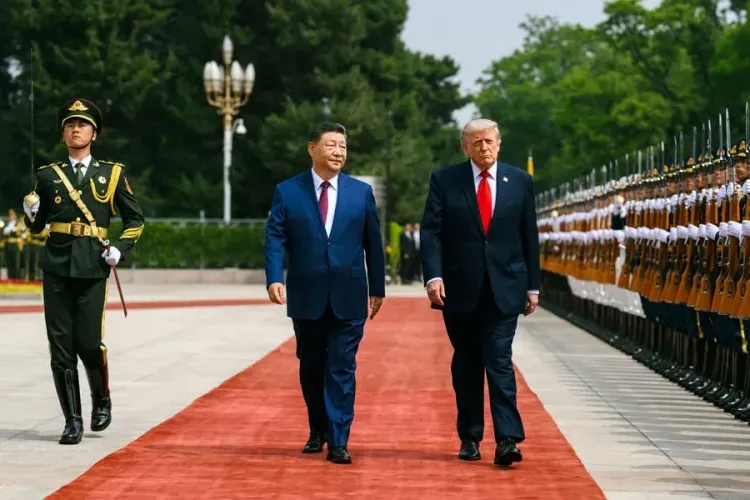
The high-profile summit between US President Donald Trump and Chinese President Xi Jinping delivered strategic optics and diplomatic messaging but yielded few concrete breakthroughs, according to leading China analysts at the Council on Foreign Relations (CFR). The Beijing summit, held amid fragile US-China ties, temporarily stabilised tensions but left deeper disputes over Taiwan, technology controls, tariffs, rare earth minerals and Iran unresolved.
High on Symbolism, Low on Substance
Rush Doshi, CFR's senior fellow for Asia studies and director of the China Strategy Initiative, characterised the meeting plainly: “This is a summit that was heavier on symbolism than it was on substance.” Speaking at a media briefing, Doshi said Beijing appeared focused on extending what he described as a “fragile détente” that emerged after the two countries suspended their trade war last year.
“China's objectives are to buy time and stability to consolidate their position strategically,” Doshi said. “And I think they've met that objective, by and large.”
The Rare Earth Warning
Heidi Crebo-Rediker, senior fellow at CFR's Centre for Geoeconomic Studies, raised a sharper alarm over China's dominance in critical supply chains. She said Beijing's export restrictions on rare earths and magnets had exposed serious vulnerabilities across US and European advanced industries.
“China basically now has the Sword of Damocles over the global advanced industrial economies of the world,” she said. Crebo-Rediker warned that the US remains heavily dependent on Chinese-controlled supply chains for defence systems, semiconductors and electric vehicles. “We are years away from resilience,” she added, noting that Beijing was actively attempting to “crush” alternative rare earth supply chains through pricing pressure.
Economic Stabilisation, Not Repair
CFR fellow Zongyuan Zoe Liu said the summit reduced the risk of immediate escalation but did little to address structural fault lines. “The relationship, at least on the economic and broader economic security perspective, is being stabilised, at least temporarily. It's not being repaired,” Liu said.
Liu also cast doubt on reported Chinese commitments to purchase American goods, including soybeans and Boeing aircraft, invoking a cautionary precedent: “We all know what happened to the phase one trade deal; $200 billion commitment didn't really materialise.”
Taiwan and the Diplomatic Tightrope
Taiwan emerged as one of the summit's most sensitive fault lines. CFR fellow David Sacks said Beijing had strongly pressed Washington on Taiwan ahead of the summit, seeking changes to longstanding US policy. He noted that Taiwan viewed the meeting largely as an exercise in managing “downside risk.”
Sacks flagged that Trump's remarks aboard Air Force One — suggesting he may speak with Taiwanese President William Lai about arms sales — introduced fresh uncertainty. “No sitting US president has spoken to his Taiwanese counterpart” since diplomatic ties shifted from Taipei to Beijing in 1979, Sacks noted.
AI Chips and the Technology Dimension
Technology and artificial intelligence featured prominently in summit discussions. Chris McGuire, CFR senior fellow for China and emerging technologies, said possible US sales of advanced AI chips to China could significantly amplify Beijing's computing capacity. “It would triple China's AI computing power capacity,” McGuire said. He added that Chinese firms remained eager for US chips even as Beijing pushed to develop domestic alternatives.
This summit comes at a moment of heightened global concern over US-China competition spanning trade, technology and military posture across the Indo-Pacific. Analysts say the next test will be whether the détente holds through upcoming flashpoints on Taiwan Strait activity and semiconductor export controls.
Point of View
But CFR’s analysis exposes a structural problem: every US-China meeting now produces a détente that neither side has the political will to convert into durable agreements. China’s rare earth leverage is the clearest sign that Beijing has learned from the phase one trade deal’s failure — it now holds coercive economic tools that Washington has no short-term answer to. Trump’s Air Force One remarks about calling Taiwan’s president are the wildcard that mainstream coverage underplayed; a single phone call could unravel whatever goodwill the summit generated. The deeper story is that both powers are managing competition, not resolving it — and the next crisis, whether over semiconductors or Taiwan Strait activity, will test a détente that experts already describe as fragile.
NationPress
13 Oct 2026
Frequently Asked Questions
What did the Trump-Xi summit in Beijing achieve?
The summit stabilised US-China tensions temporarily and extended a fragile détente after last year’s trade confrontation, but produced no concrete breakthroughs on Taiwan, tariffs, rare earths, technology controls or Iran, according to CFR analysts.
Why are rare earth minerals a concern after the Trump-Xi summit?
China’s export restrictions on rare earths and magnets have exposed deep vulnerabilities in US and European defence, semiconductor and electric vehicle supply chains. CFR’s Heidi Crebo-Rediker warned that the US is ‘years away from resilience’ and that Beijing is actively trying to undercut alternative supply chains through pricing pressure.
What is the significance of Trump’s remarks about Taiwan at the summit?
Trump suggested aboard Air Force One that he might speak with Taiwanese President William Lai about arms sales — a move that would be unprecedented, as no sitting US president has spoken to a Taiwanese counterpart since Washington shifted diplomatic recognition from Taipei to Beijing in 1979. CFR’s David Sacks flagged this as a source of fresh uncertainty.
Will China follow through on commitments to buy US goods?
CFR fellow Zongyuan Zoe Liu expressed scepticism, pointing to the phase one trade deal under which a reported $200 billion commitment by China did not materialise. She described the current relationship as ‘stabilised, not repaired.’
How could US AI chip sales to China affect the technology balance?
CFR senior fellow Chris McGuire said potential US sales of advanced AI chips to China could triple Beijing’s AI computing power capacity, significantly boosting its strategic and commercial capabilities even as Beijing pursues domestic chip alternatives.