Tammy Duckworth accuses Trump of conceding ground to Xi ahead of White House meeting
Synopsis
With Trump set to host Xi Jinping at the White House, Democratic Senator Tammy Duckworth has delivered one of the sharpest Democratic attacks yet on his China policy — accusing him of 'throwing allies under the bus' and being 'fundamentally unable' to manage the relationship. Her remarks, backed by fresh visits to Taiwan, Japan, the Philippines, and Singapore, signal a deepening partisan battle over who controls the US-China narrative heading into the summit.
Key Takeaways
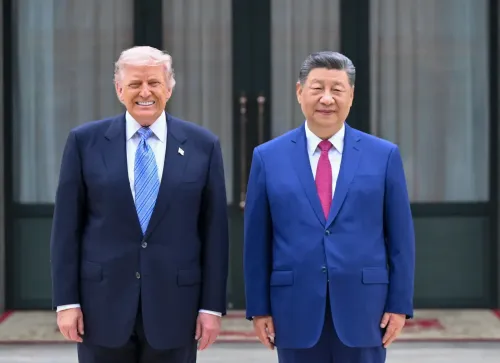
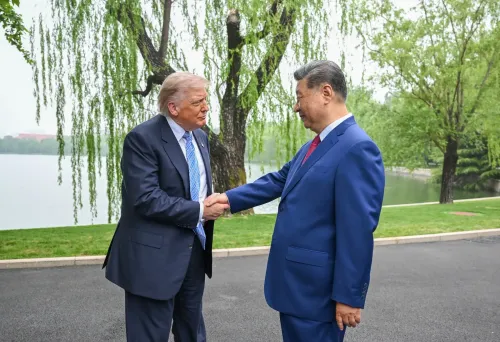
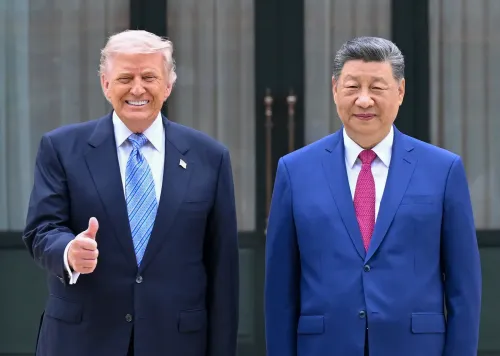
Senator Tammy Duckworth accused President Donald Trump of weakening US alliances ahead of his planned White House meeting with Chinese President Xi Jinping .
Duckworth said Trump is 'fundamentally unable to manage' the US relationship with the People's Republic of China .
The Illinois senator drew on official visits this year to Taiwan , Japan , the Philippines , and Singapore , citing concern from leaders there about US trade and defence policy.
Her Strategy for Crisis Management Act — targeting South China Sea crisis preparedness — has passed the Senate Armed Services Committee and awaits a full Senate vote.
Duckworth urged the Trump administration to secure commitments on AI governance , economic coercion , regional security , and human rights at the upcoming summit.
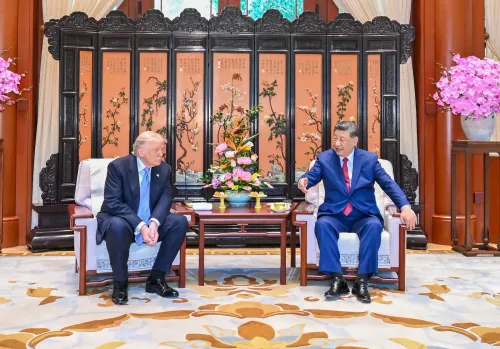
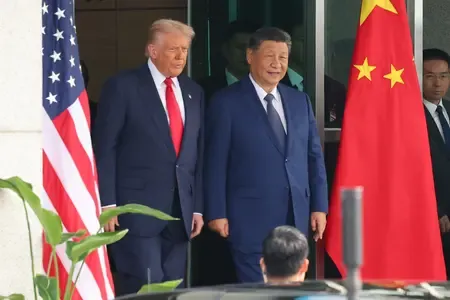
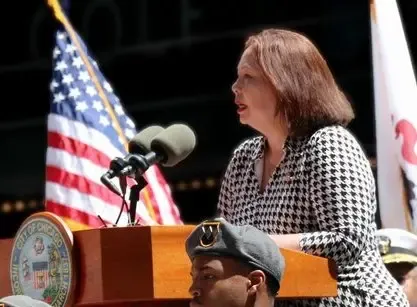
Democratic Senator Tammy Duckworth has accused President Donald Trump of weakening US alliances and abandoning Indo-Pacific partners as he prepares to host Chinese President Xi Jinping at the White House. Speaking at an event organised by the Center for American Progress in Washington on 23 September 2026, Duckworth warned that the approaching Trump-Xi summit carries serious consequences for US national security, the economy, and relations with countries facing mounting pressure from Beijing.
Duckworth's Core Charge Against Trump
The Illinois senator, who sits on both the Senate Foreign Relations Committee and the Senate Armed Services Committee, said Trump is fundamentally ill-equipped to manage Washington's relationship with Beijing. 'President Trump is fundamentally unable to manage the United States' relationship with the People's Republic of China,' she said.
She went further, arguing that a genuinely successful bilateral relationship would look nothing like current US policy. 'A successful bilateral relationship doesn't look like chaotic tariffs, leaving American farmers devastated, throwing our allies under the bus to cozy up to dictators and creating more challenges for Americans,' Duckworth said. Her remarks drew on official visits this year to Taiwan, Japan, the Philippines, and Singapore, where she met government, defence, and economic leaders who, she said, had voiced concern about the direction of US trade and defence policy.
What a Sound China Policy Should Look Like
Duckworth outlined her vision of effective China engagement as one that shields American consumers from economic coercion while locking in firm commitments on artificial intelligence, upholding human rights, and preserving US strategic advantages. 'It looks like protecting Americans from economic coercion and instability, finalizing real commitments on AI, protecting human rights and maintaining our advantages in the areas that matter the most while building our national security, not sacrificing all of these, which Trump continues to do,' she said.
She also called for stronger, more resilient supply chains to insulate US consumers from external economic disruption — a concern that has grown more acute since the escalation of US-China trade tensions earlier this year.
Legislative Agenda in the Indo-Pacific
Beyond the rhetorical salvo, Duckworth pointed to concrete legislation she has championed. Her Strategy for Crisis Management Act seeks to sharpen US preparations and deepen coordination with regional partners during crises that could escalate into armed conflict in the South China Sea. The measure has been incorporated into the Senate Armed Services Committee's version of the annual defence policy bill and is awaiting a floor vote by the full Senate.
She has also backed provisions aimed at strengthening cooperation with Indo-Pacific allies on asymmetric military operations. Her Indo-Pacific Medical Readiness programme addresses a logistical gap — improving healthcare access for US military personnel and their families stationed across a region where patients may need to travel significant distances for treatment.
What Duckworth Wants from the Trump-Xi Summit
The senator urged the Trump administration to use the White House meeting to push concrete progress on economic coercion, regional security, artificial intelligence governance, and human rights — and to do so while actively reassuring nervous allies rather than leaving them to draw their own conclusions about Washington's reliability. This comes amid a broader pattern of anxiety among US partners in the Indo-Pacific about whether American commitments in the region remain durable. Notably, Duckworth's critique echoes concerns raised by a growing number of bipartisan voices in Washington who argue that transactional diplomacy risks hollowing out the alliance architecture the US spent decades building.
Point of View
That Indo-Pacific partners are quietly hedging against US unreliability, is one that regional analysts have flagged for months. What mainstream coverage tends to underplay is that this erosion of trust is cumulative and difficult to reverse: each signal of wavering US commitment gives regional governments reason to quietly diversify their security arrangements. The Trump-Xi summit could yield headlines on tariffs, but the alliance damage Duckworth describes will not be addressed at a single bilateral meeting — it requires consistent, credible engagement over time, precisely what critics say the current administration has failed to deliver.
NationPress
23 Sept 2026
Frequently Asked Questions
Why is Senator Tammy Duckworth criticising Trump's China policy?
Senator Duckworth argues that Trump's 'chaotic tariffs,' weakened alliances, and an apparent willingness to sideline Indo-Pacific partners in favour of engaging Beijing undermine US national security and economic interests. She made these remarks ahead of Trump's planned hosting of Chinese President Xi Jinping at the White House.
What is the Trump-Xi White House meeting about?
President Trump is preparing to host Chinese President Xi Jinping at the White House, a summit that is expected to cover trade, economic and security issues between the two nations. Senator Duckworth has urged the administration to push concrete progress on AI governance, economic coercion, regional security, and human rights at the meeting.
What is Duckworth's Strategy for Crisis Management Act?
It is legislation sponsored by Senator Duckworth that seeks to improve US crisis preparedness and coordination with regional partners in scenarios that could escalate into armed conflict in the South China Sea. The bill has been included in the Senate Armed Services Committee's version of the annual defence policy bill and is awaiting consideration by the full Senate.
Which Indo-Pacific countries did Duckworth visit, and what did their leaders say?
Duckworth visited Taiwan, Japan, the Philippines, and Singapore, meeting government, defence, and economic leaders. She said officials in those countries expressed concern about the impact of Trump's trade and defence policies on regional partnerships and the reliability of the United States as a partner.
What is the Indo-Pacific Medical Readiness programme?
It is a Duckworth-backed initiative designed to improve healthcare access for US military personnel and their families stationed across the Indo-Pacific, where patients can face long distances to reach adequate medical facilities. The programme is part of her broader legislative agenda to strengthen the US military presence and alliance relationships in the region.