Belarus protests Lithuania over drone airspace violation near Vitebsk
Synopsis
A Ukrainian 'Chaika' drone launched from Lithuanian soil crossed into Belarusian airspace near Vitebsk, triggering a formal diplomatic protest from Minsk to Vilnius. The incident is one of several drone spill-overs rattling Baltic states — Latvia's government has already collapsed over a similar strike — and exposes a growing grey-zone security crisis along NATO's eastern flank.
Key Takeaways
Belarus summoned Lithuania's Chargé d'Affaires Erikas Vilkanecas on Thursday, 22 May 2025 over a drone airspace violation.
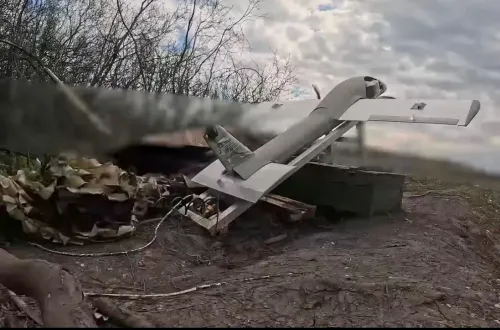
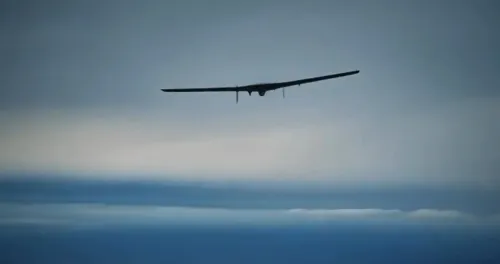
A 'Chaika' drone was detected near Stanislavtsy, Vitebsk region ; it was launched from Lithuanian territory and reportedly aimed at Russian targets.
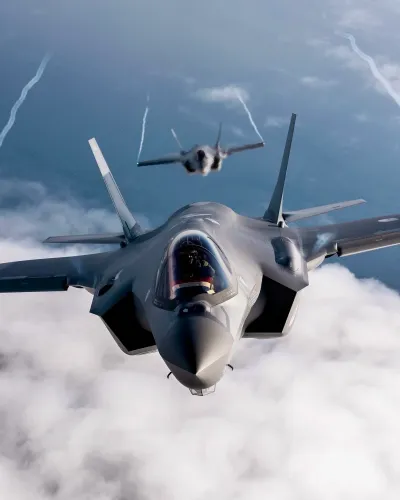
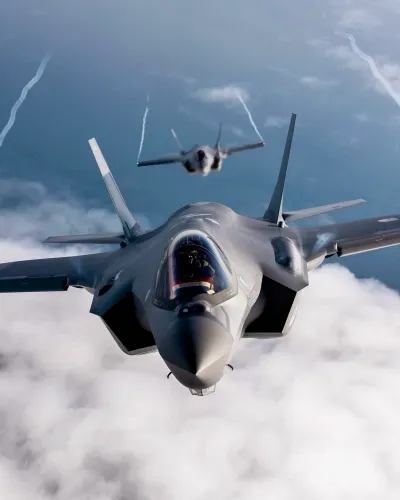
Latvia reported at least one more drone incursion on the same day; NATO jets were scrambled under the Baltic Air Policing mission.
Two drones struck an oil facility in Rezekne, Latvia on 7 May 2025 , triggering the dismissal of Latvia's Defence Minister and the resignation of PM Evika Silina's government.
Baltic authorities believe most errant drones are Ukrainian aircraft that veered off course; no casualties have been reported so far.
Minsk has demanded a formal Lithuanian investigation and measures to prevent future violations.
Belarus on Thursday, 22 May 2025, summoned Lithuania's Chargé d'Affaires Erikas Vilkanecas to the Belarusian Foreign Ministry in Minsk, formally protesting a Ukrainian military drone that crossed into Belarusian airspace after being launched from Lithuanian territory. The diplomatic démarche signals deepening tensions along the Belarus–Lithuania border as drone incursions multiply across the Baltic and Eastern European region.
What Happened
A 'Chaika' drone — reportedly targeting Russian sites — was detected over Belarusian territory near Stanislavtsy in the Vitebsk region on Sunday, according to Belarusian Foreign Ministry spokesperson Ruslan Varankov. Varankov said the drone originated from Lithuanian soil and that no advance notification or preventive measures were taken by Vilnius prior to the incursion — a standard Minsk claims to follow itself.
During the meeting with Vilkanecas, Belarusian officials characterised the violation as a 'direct security risk' and a breach of international legal norms. Minsk formally demanded that Lithuania open an official investigation and put in place safeguards to prevent future airspace violations.
Baltic States on Edge
The Belarus–Lithuania episode is one of several drone incidents rattling the Baltic region in recent weeks. On Thursday, Latvia's armed forces confirmed that at least one foreign drone entered Latvian airspace, prompting air alerts across several eastern Latvian regions. NATO fighter jets assigned to the Baltic Air Policing mission were scrambled in response; the alert was lifted later in the day.
Earlier, Estonia reported that a NATO jet had shot down a drone over its territory, while Lithuania disclosed that a military drone carrying explosives had crashed after entering its airspace. On 7 May 2025, two drones struck an oil storage facility in Rezekne, Latvia — an incident with significant political consequences.
Political Fallout in Latvia
The Rezekne strike proved particularly destabilising for Riga. The crash of the two drones triggered a political crisis that led to the dismissal of Latvia's Defence Minister and the subsequent resignation of Prime Minister Evika Silina's government. No casualties have been reported in any of the incidents so far, but the cumulative security and political impact has been substantial.
Who Is Behind the Drones
Baltic authorities broadly believe the errant drones are Ukrainian military aircraft intended for strikes on Russian targets that veered off course into neighbouring countries' airspace. Ukraine has not publicly claimed the drones, and the incidents are widely attributed to navigational drift rather than deliberate targeting of Baltic or Belarusian territory. Notably, this is part of a broader pattern of drone spill-over that has complicated the security calculus of non-combatant states bordering the conflict zone.
What Comes Next
Minsk is awaiting a formal Lithuanian response to its investigation demand. With NATO's air policing assets already active over the Baltics and drone incursions showing no sign of abating, pressure is mounting on both alliance members and neutral-adjacent states to establish clearer protocols for handling errant unmanned aircraft. How Vilnius responds will be closely watched in Brussels and Kyiv alike.
Point of View
By extension, for NATO: Lithuania cannot easily dismiss a complaint about a Ukrainian drone launched from its soil, even as it remains a firm supporter of Kyiv. The real story here is not Belarus's grievance — it is the absence of any coordinated mechanism among Baltic and Eastern European states to handle drone spill-over from an active war zone. Latvia's government has already paid the political price for that gap. Estonia and Lithuania are one high-profile incident away from the same reckoning. NATO's Baltic Air Policing mission was designed for Russian provocations, not for managing friendly-fire drift — and that mismatch is becoming harder to ignore.
NationPress
7 Oct 2026
Frequently Asked Questions
Why did Belarus summon Lithuania's envoy over the drone incident?
Belarus summoned Lithuania's Chargé d'Affaires Erikas Vilkanecas on 22 May 2025 because a Ukrainian 'Chaika' drone, launched from Lithuanian territory, crossed into Belarusian airspace near Stanislavtsy in the Vitebsk region. Minsk condemned the violation as a direct security risk and demanded a formal investigation.
What is a 'Chaika' drone and what was it targeting?
The 'Chaika' is a Ukrainian military unmanned aerial vehicle used for strike missions. According to Belarusian Foreign Ministry spokesperson Ruslan Varankov, the drone was initially targeting Russian sites but veered off course and entered Belarusian airspace instead.
What other drone incidents have occurred in the Baltic states recently?
Latvia reported at least one drone incursion on 22 May 2025, prompting NATO jets to scramble. Estonia said a NATO fighter shot down a drone over its territory, Lithuania reported a drone carrying explosives crashed in its airspace, and two drones struck an oil storage facility in Rezekne, Latvia on 7 May 2025.
What were the political consequences of the Rezekne drone strike in Latvia?
The crash of two drones into an oil storage facility in Rezekne on 7 May 2025 triggered a political crisis in Latvia, resulting in the dismissal of the country's Defence Minister and the resignation of Prime Minister Evika Silina's government.
Who is believed to be behind the drones crossing into Baltic and Belarusian airspace?
Baltic authorities broadly believe the drones are Ukrainian military aircraft intended for strikes on Russian targets that have veered off course into neighbouring countries' airspace. No casualties have been reported in any of the incidents so far.