NATO jets shoot down drone over Latvia amid Baltic airspace crisis
Synopsis
A NATO drone intercept over eastern Latvia on 8 June is the latest sign that Russia's aerial campaign is testing alliance borders — not just Ukrainian ones. With Latvia's government already destabilised by last month's airspace breaches, and E3 leaders pushing for Ukraine-Russia talks in London, the Baltic skies have become both a military flashpoint and a diplomatic pressure point.
Key Takeaways
French NATO jets shot down a drone over Latvia on 8 June after air alerts in the eastern regions of Rezekne and Ludza .
Last month's drone incursions triggered the resignation of Latvia's Defence Minister and Prime Minister Evika Silina .
Russia has reportedly been using electronic jamming to divert Ukrainian drones over Baltic states.
155 drones were launched from Moscow overnight; Ukrainian forces intercepted 124 of them.
E3 leaders — Starmer, Macron, Merz — backed direct Ukraine-Russia talks with US and European participation after meeting Zelensky in London .
The joint statement called for an immediate and complete ceasefire using the current line of contact as the negotiation baseline.
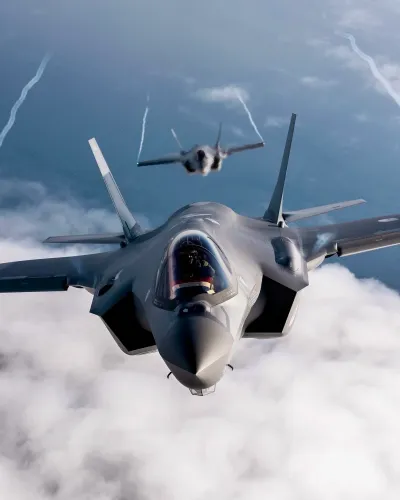
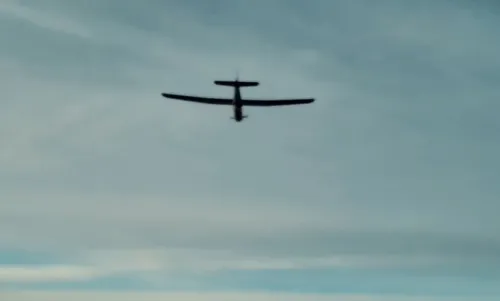
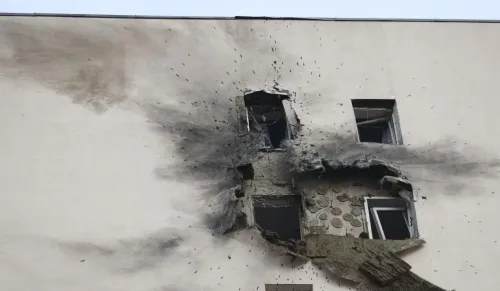
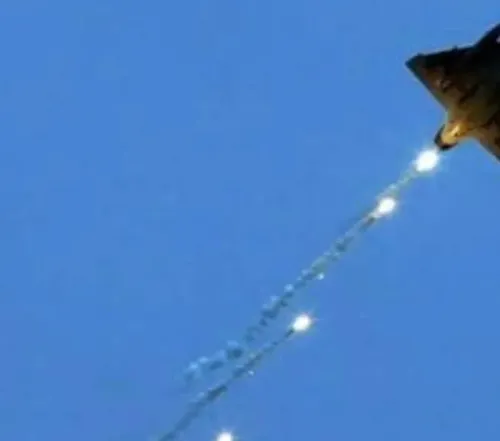
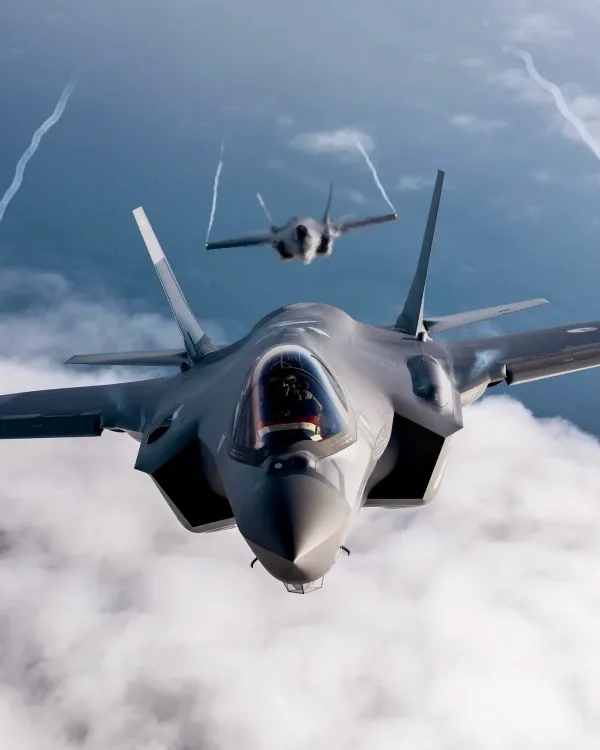
NATO fighter jets intercepted and shot down a drone over Latvia on Monday, 8 June, following air alerts issued across the eastern regions of Rezekne and Ludza, according to local media reports. The intercept was carried out by French aircraft operating under the NATO Baltic Air Policing mission, underscoring the alliance's heightened posture over the Baltic states.
Background: Latvia's Airspace Crisis
The incident comes weeks after a string of drone incursions triggered a full-blown political crisis in Riga. Repeated violations of Latvian airspace last month forced the resignation of the Minister of Defence, followed by the resignation of Prime Minister Evika Silina — a rare cascade of political consequences stemming directly from aerial security failures. Monday's intercept signals that the threat has not abated.
Russia's Electronic Warfare Tactics
Russia has reportedly intensified efforts to divert Ukrainian drones over Baltic countries through electronic jamming, according to reports. This tactic — redirecting drones rather than destroying them — has complicated air defence responses across the region. On the same night, Moscow reportedly launched 155 drones toward Ukraine; Ukrainian air defence forces shot down 124 of them. The Ukrainian Air Force command confirmed on Telegram that intercepts occurred across the north, south, and east of the country.
E3 Leaders Back Ukraine-Russia Dialogue
Separately, the leaders of Britain, France, and Germany — collectively referred to as the E3 — voiced support for direct talks between Ukraine and Russia following a meeting with Ukrainian President Volodymyr Zelensky in London on Sunday. British Prime Minister Keir Starmer, French President Emmanuel Macron, and German Chancellor Friedrich Merz issued a joint statement with Zelensky backing direct negotiations with the active participation of both the United States and Europe.
The four leaders called for an immediate and complete ceasefire, stating that the current line of contact should serve as the starting point for any negotiations. The joint statement also stressed that European security interests must be safeguarded in any eventual agreement, and that matters concerning the European Union and NATO would require the consent of their respective member states.
What Comes Next
The drone intercept over Latvia is the latest indicator that the conflict's aerial dimension is spilling beyond Ukrainian borders. With the NATO Baltic Air Policing mission now actively engaging targets, the alliance's readiness posture in the region faces a new stress test. Diplomatic efforts, meanwhile, remain at an early stage — the E3 statement represents a framework, not a timeline, and Russia has yet to respond publicly to the call for direct talks.
Point of View
But signals without enforcement timelines rarely change battlefield calculus. The real question is whether NATO's Baltic Air Policing mission, now actively shooting down drones, marks a doctrinal shift — or just an operational reflex that Moscow will probe further.
NationPress
23 Oct 2026
Frequently Asked Questions
Why did NATO jets shoot down a drone over Latvia?
NATO French fighter jets intercepted and destroyed a drone over eastern Latvia on 8 June after air alerts were triggered in the Rezekne and Ludza regions. The intercept was conducted under the NATO Baltic Air Policing mission, which patrols Baltic airspace on behalf of alliance members.
What political crisis did Latvia's airspace violations cause?
Repeated drone incursions into Latvian airspace last month led to the resignation of Latvia's Minister of Defence, followed by the resignation of Prime Minister Evika Silina. It is one of the most direct political consequences of the Ukraine conflict's spillover into NATO territory.
How is Russia diverting drones over Baltic countries?
Russia has reportedly been using electronic jamming to redirect Ukrainian drones away from their intended targets and into the airspace of Baltic states. This tactic complicates air defence responses and has been linked to the recent surge in airspace violations over Latvia and neighbouring countries.
What did the E3 leaders agree on regarding Ukraine?
British Prime Minister Keir Starmer, French President Emmanuel Macron, and German Chancellor Friedrich Merz issued a joint statement with Ukrainian President Volodymyr Zelensky in London on Sunday, backing direct Ukraine-Russia talks with active US and European participation. They called for an immediate and complete ceasefire, with the current line of contact as the starting point for negotiations.
How many drones did Ukraine intercept overnight?
Ukrainian air defence forces shot down 124 of the 155 drones reportedly launched from Moscow overnight. The Ukrainian Air Force confirmed intercepts across the north, south, and east of the country via its official Telegram channel.