Bessent: Iran conflict causing temporary price spike, economy still strong
Synopsis
Under fire from Democrats over rising fuel and grocery prices, Treasury Secretary Scott Bessent told Congress the Iran conflict is causing only a short-term price spike — and that crude is already down more than 20. The hearing exposed a sharp partisan divide: Republicans back the national security rationale; Democrats say ordinary families are paying the bill.
Key Takeaways
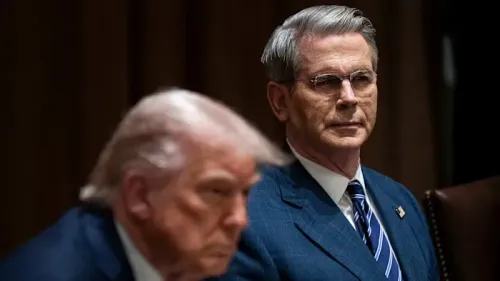
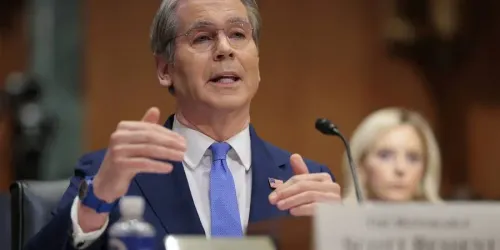
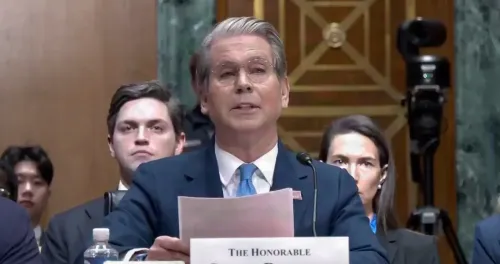
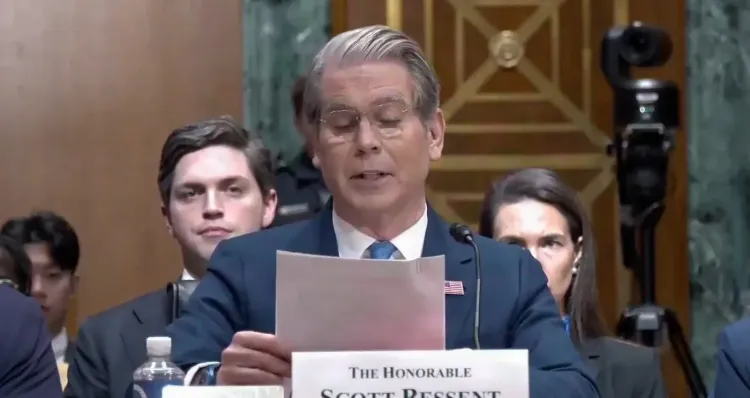
Treasury Secretary Scott Bessent testified before the House Ways and Means Committee on 5 June , defending the administration's economic record.
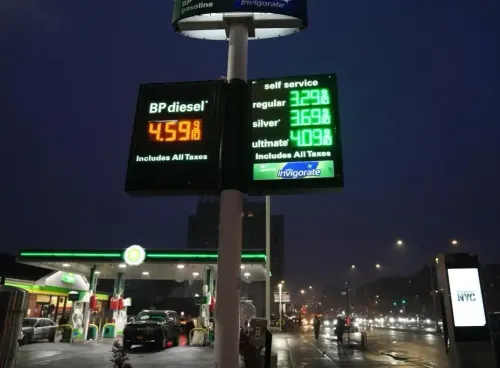
Bessent acknowledged gasoline prices rose due to the Iran conflict but called the increase temporary, noting crude prices are down more than 20 .
He cited a 0.5 per cent drop in core inflation since President Trump took office as evidence of underlying stability.
Representative Richard Neal and other Democrats argued workers and families face higher costs for fuel, groceries, and household goods daily.
Bessent defended the Iran strategy on national security grounds, warning of far greater consequences if Iran acquired nuclear weapons.
The hearing highlighted a clear partisan split: Republicans backed the security rationale; Democrats demanded accountability for consumer price pressures.
US Treasury Secretary Scott Bessent on Thursday, 5 June defended the Trump administration's economic stewardship before a combative House Ways and Means Committee, asserting that inflationary pressures stemming from the Iran conflict were temporary and would subside once the situation stabilised. The hearing, held in Washington, quickly became a flashpoint over rising fuel and consumer prices squeezing American households.
Bessent's Core Argument
The Treasury Secretary acknowledged that energy markets had been directly affected by the conflict. 'We are experiencing a short-term elevation of prices due to the Iran conflict that will come down,' he told lawmakers. He maintained that the broader economy remained fundamentally sound, citing job growth, private-sector investment, and wage gains. 'The economy is very strong,' Bessent said, adding that core inflation has dropped 0.5 per cent since President Trump took office.
Democratic Pushback
Democratic lawmakers repeatedly challenged that assessment, arguing that ordinary American families were bearing a disproportionate financial burden. Representative Richard Neal, the committee's ranking Democrat, contended that workers were being forced to stretch their dollars further each day, linking higher costs to both tariffs and the Iran conflict. Representative Judy Chu cited persistently elevated prices for gasoline, groceries, and household goods, while Representative Brendan Boyle pointed to growing public dissatisfaction with the administration's economic management.
The Fuel Price Exchange
Representative John Larson pressed Bessent directly on whether the conflict had contributed to higher fuel costs. 'It did rise because of the conflict, yes sir,' Bessent acknowledged. However, he argued the increase was transient, pointing to crude oil market movements as evidence of an ongoing correction. 'Crude prices are down more than 20, and gasoline prices follow crude prices,' he said, suggesting market adjustment was already underway.
National Security Justification
Bessent also defended the administration's broader strategic posture, arguing that preventing Iran from acquiring a nuclear weapon was a national security imperative that justified short-term economic disruption. He told lawmakers that Americans would face far graver consequences if Iran were permitted to develop nuclear weapons or threaten global energy supplies. Republican members of the committee largely backed this framing, arguing that national security concerns must take precedence over near-term price pressures.
Political Fault Lines
The hearing underscored how the economic fallout from the Iran conflict has become a defining political battleground in Washington. Democrats are framing rising prices as a failure of governance; Republicans are framing restraint as recklessness. With crude prices reportedly easing and core inflation trending down, the administration's 'temporary disruption' argument will be tested by upcoming consumer price data in the weeks ahead.
Point of View
The administration will claim vindication. But the Democratic counter-narrative — that tariffs compounded by conflict costs are structurally squeezing middle-income households — is harder to dismiss when gasoline and grocery prices remain elevated in lived experience. The 0.5 per cent core inflation drop is real, but headline inflation, which includes energy and food, is what voters feel at the pump and checkout. The administration's credibility on this argument will be decided not in committee rooms but in the next two months of price data.
NationPress
21 Oct 2026
Frequently Asked Questions
What did Treasury Secretary Bessent say about the Iran conflict and prices?
Bessent told the House Ways and Means Committee on 5 June that the Iran conflict had caused a short-term elevation of prices, particularly in energy markets, but that the impact would be temporary and would ease as the situation stabilised. He pointed to crude oil prices already falling by more than 20 as evidence of market correction.
Did Bessent admit the Iran conflict raised gasoline prices?
Yes. When pressed by Representative John Larson, Bessent acknowledged: 'It did rise because of the conflict, yes sir.' He argued, however, that the increase was transient and that broader inflation trends remained under control.
What economic data did Bessent cite to defend the administration?
Bessent cited job growth, private-sector investment, wage gains, and a 0.5 per cent drop in core inflation since President Trump took office. He also noted that crude prices had fallen by more than 20, which he said would feed through to lower gasoline prices.
Why did Democratic lawmakers challenge Bessent's assessment?
Democrats, led by Representative Richard Neal, argued that workers and families were being forced to stretch their dollars further each day due to higher costs for fuel, groceries, and household goods. They linked the price pressures to both tariffs and the Iran conflict, contending that ordinary Americans were bearing the financial burden.
How did Bessent justify the administration's Iran policy despite economic costs?
Bessent argued that preventing Iran from acquiring a nuclear weapon was a national security priority that justified short-term economic disruption. He said Americans would face far greater consequences if Iran were allowed to develop nuclear weapons or threaten global energy supplies.