Iran will crack under US blockade in months, says Treasury chief Bessent
Synopsis
US Treasury Secretary Scott Bessent has put a timeline on Iran's breaking point — two to four months — as the Trump administration's 'absolute isolation' campaign combines military strikes, a maritime blockade, and financial strangulation. With Iran's currency having crashed more than 366%, oil exports halted, and petrol queues stretching hours, Bessent sees three exits: uprising, IRGC fracture, or a nuclear deal. He admits he doesn't know which comes first.
Key Takeaways
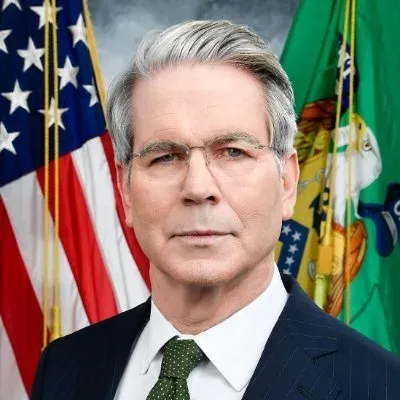
Treasury Secretary Scott Bessent said on 11 October 2026 that Iran could be forced into submission within two to four months .
The Trump administration has shifted from 'maximum pressure' to an 'absolute isolation' strategy combining military, maritime, and financial measures.
Iran's currency reportedly collapsed from approximately 600,000 rials to the dollar to 2.8 million — a fall of more than 366% .
Bessent claimed Iran has 'no oil on the water' and is running negative cash flow, with fuel queues lasting 3-4 hours .
Washington's conditions for re-engagement: Tehran must abandon its nuclear programme and halt support for militant proxies.
Bessent cited three possible outcomes: popular uprising, IRGC internal fracture, or a negotiated settlement — while admitting the outcome is uncertain.
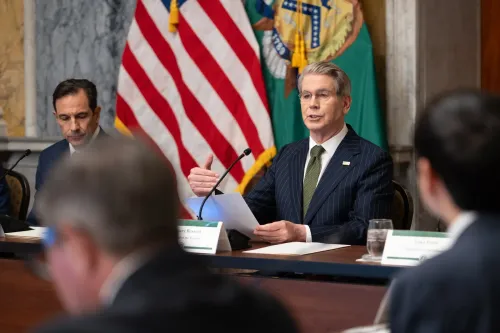
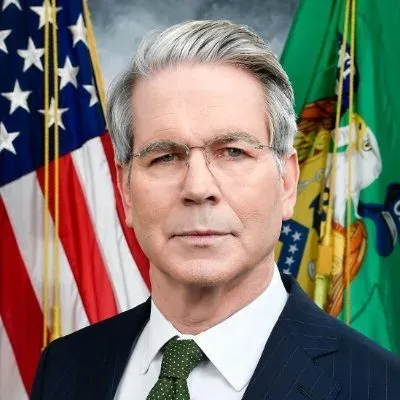
US Treasury Secretary Scott Bessent said on Sunday, 11 October 2026 that Iran could be forced into submission within two to four months as the Trump administration escalates an economic blockade designed to sever Tehran's oil revenues, freeze its financial access, and push its economy toward collapse. Speaking on Fox and Friends Weekend, Bessent described the current campaign as a step beyond earlier pressure measures.
From Maximum Pressure to Absolute Isolation
Bessent drew a sharp distinction between Washington's earlier posture and its current strategy. 'For a year we had a maximum pressure campaign. Now we have an absolute isolation campaign,' he said. The upgraded approach reportedly combines sustained military operations, maritime interdictions, and sweeping financial restrictions targeting Iranian oil, cryptocurrency holdings, shipping networks, and access to international banking.
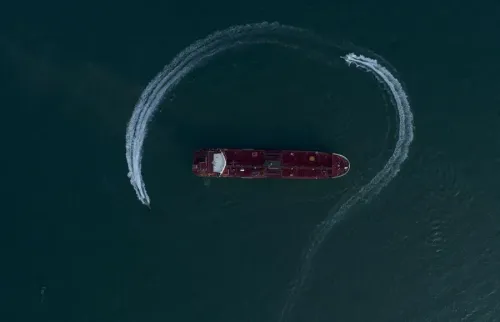
Bessent claimed Iran now has 'no oil on the water' and is running a negative cash flow, effectively shut out of global energy markets. He said President Donald Trump has dubbed the strategy the Iron Wall — a six-week military phase followed by a maritime blockade and comprehensive economic isolation.
Currency Collapse and Domestic Disruption
The economic toll described by Bessent is severe, according to his account. He said Iran's currency has collapsed from approximately 600,000 rials to the dollar around 18 months ago to as low as 2.8 million rials at one stage — a depreciation of more than 366%. He further claimed that Iranian authorities had stopped publishing official exchange rates as the financial crisis deepened.
Bessent also said fuel import disruptions had forced Iranians into petrol queues lasting three to four hours. He added that US military operations had reportedly destroyed a significant portion of Iran's naval and air capabilities, as well as missile and drone production infrastructure — claims that could not be independently verified.
Strait of Hormuz and Drone Warfare
The Strait of Hormuz, through which a significant share of global oil shipments pass, has remained a flashpoint. Bessent claimed Iran no longer controlled the waterway, despite ongoing attempts to disrupt commercial shipping via drone attacks. He said Iranian forces were launching unmanned aerial vehicles at night but lacked the radar capabilities to effectively obstruct maritime traffic, and that substantial quantities of oil and petroleum products continued to flow through the strait.
Conditions for a Settlement — and Three Possible Outcomes
Bessent outlined Washington's conditions for Iran's return to the international system: 'They have to give up their nuclear ambitions,' he said, adding that Tehran must also end its support for militant proxies. However, he acknowledged deep uncertainty about how the standoff ultimately resolves.
'I don't know how this ends. You never know how this ends,' he said. He outlined three possible scenarios: a popular uprising inside Iran, internal divisions within the Islamic Revolutionary Guard Corps (IRGC), or a negotiated agreement under which Tehran abandons its nuclear programme. Bessent said Trump did not anticipate further direct military engagement until at least after the US midterm elections.
The remarks signal that Washington is preparing for a prolonged economic siege, with the administration betting that financial strain will eventually force a political reckoning in Tehran — one way or another.
Point of View
But the deeper question is whether economic pain translates into political capitulation in a state where the IRGC controls both the economy and the instruments of suppression. History suggests sanctions-induced hardship more often entrenches authoritarian leaderships than topples them. The admission that Trump is pausing military operations until after midterms also reveals a domestic electoral calculation sitting inside a supposedly strategic campaign — a contradiction that Tehran's negotiators will have noted.
NationPress
12 Oct 2026
Frequently Asked Questions
What is the US 'absolute isolation' campaign against Iran?
It is a multi-pronged strategy combining military operations, a maritime blockade, and sweeping financial restrictions aimed at cutting off Iran's oil exports, cryptocurrency holdings, and access to international banking. Treasury Secretary Scott Bessent described it on 11 October 2026 as a step beyond the earlier 'maximum pressure' campaign, with President Trump calling it the Iron Wall.
How much has Iran's currency fallen under US sanctions?
According to Bessent, Iran's currency depreciated from approximately 600,000 rials to the dollar around 18 months ago to as low as 2.8 million rials — a collapse of more than 366%. He also claimed Iranian authorities had stopped publishing official exchange rates as the crisis deepened.
What are the US conditions for Iran to re-enter the international system?
Bessent stated two core conditions: Iran must abandon its nuclear ambitions and end its support for militant proxy groups. He did not specify a detailed diplomatic framework or timeline for any potential negotiations.
What are the three possible outcomes Bessent outlined for the Iran standoff?
Bessent identified three scenarios: a popular uprising inside Iran, internal divisions within the Islamic Revolutionary Guard Corps (IRGC), or a negotiated agreement under which Tehran gives up its nuclear programme. He acknowledged uncertainty about which outcome would materialise, saying 'I don't know how this ends.'
Will the US launch further military strikes on Iran?
According to Bessent, President Trump does not anticipate further direct military engagement against Iran until at least after the US midterm elections. The current focus is on sustaining the economic and maritime blockade for several more months.