Mohan Bhagwat in Toronto: Indian diaspora must be loyal, contributing citizens
Synopsis
RSS chief Mohan Bhagwat told more than 2,000 Indians in Toronto that the diaspora must be genuinely loyal citizens of their adopted countries — not just cultural ambassadors — while offering India's civilisational 'third way' as an answer to the world's conflicts. The address, part of a North American tour, reflects the RSS's deliberate push to deepen its global organisational footprint a year after its centenary.
Key Takeaways
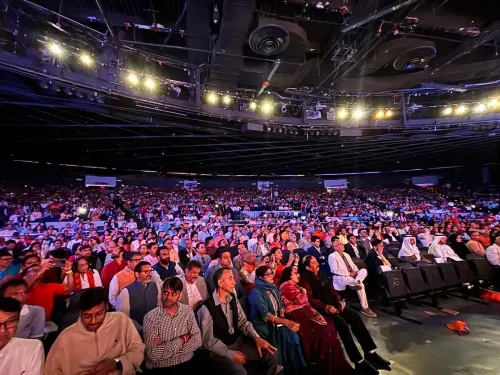
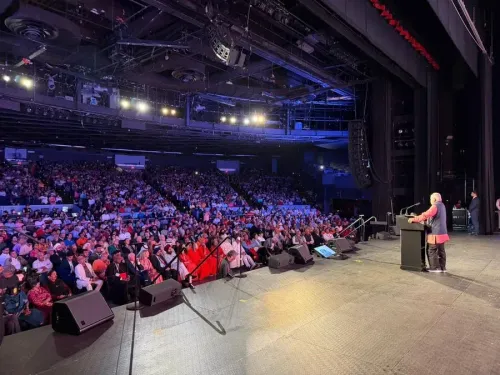
Mohan Bhagwat addressed more than 2,000 Hindus and community members in the Greater Toronto Area on 31 August .
He urged the Indian diaspora to be 'honest, contributing citizens' of their adopted countries while sharing India's message of unity.
Bhagwat described Hindu identity as transcending any specific language, worship, or lifestyle — 'Hindus respect all, Hindus accept all.' He positioned India's ancient worldview as a 'third way' for a world facing conflict, ecological crisis, and ethical dilemmas over science.
The Toronto event was part of Bhagwat's North America tour, which also included a public programme in New York .
The RSS , founded in 1925 and celebrating its centenary in 2025 , describes the tour as part of its global character-building outreach.
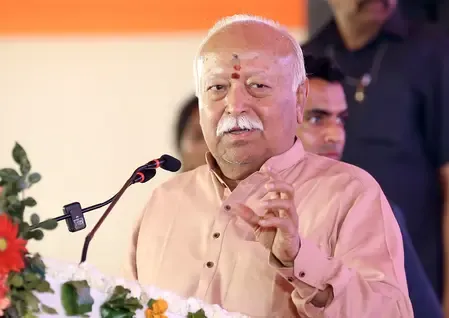
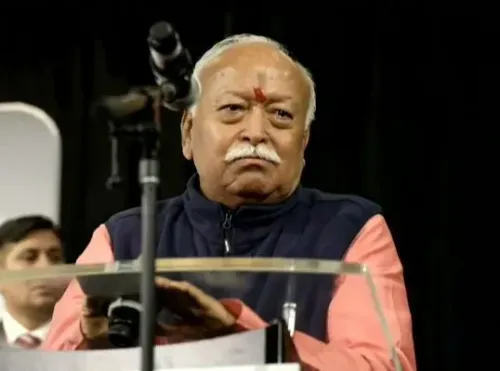
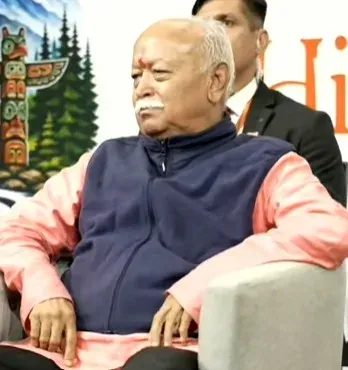
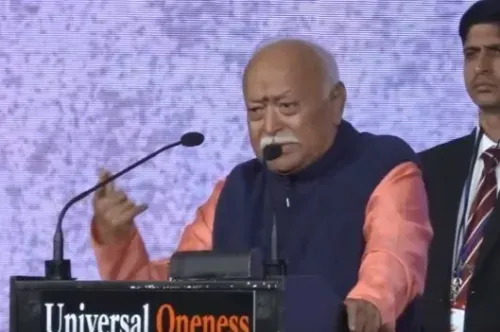
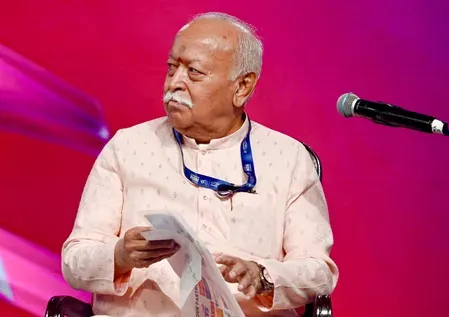
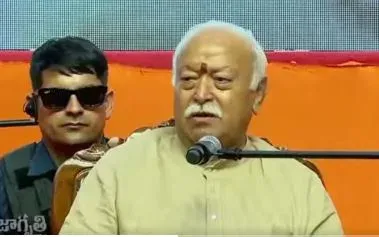
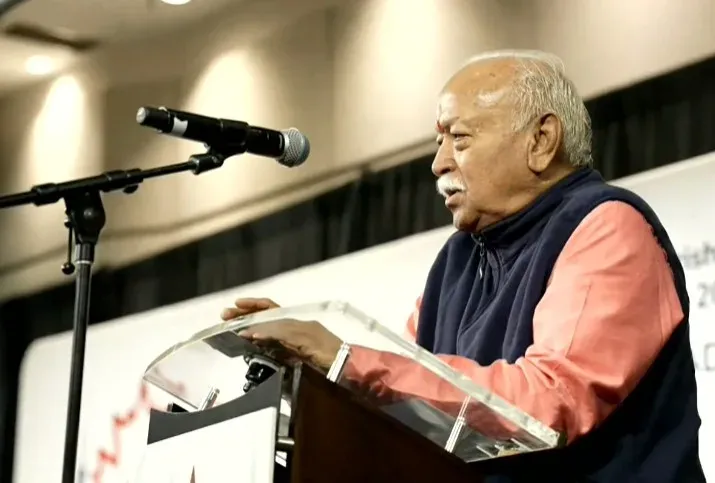
Rashtriya Swayamsevak Sangh (RSS) chief Mohan Bhagwat on 31 August urged the Indian diaspora to be honest, contributing citizens of their adopted countries while carrying forward India's civilisational message of unity and service. Addressing more than 2,000 Hindus and community members in the Greater Toronto Area, Bhagwat said Indians settled abroad bore a dual responsibility — to the nations where they lived and to humanity at large.
Key Message to the Diaspora
Bhagwat framed the obligation of overseas Indians in clear terms. 'Those who have any relation with Bharat, they may be today settled all over the world, citizens of different countries. Because they are from Bharat, they are to be honest, contributing citizens of that country,' he said.
He added that alongside civic duty, the diaspora had a larger role to play: 'At the same time, they have to provide this worldview to the world that everything is one. Individual society and the environment can progress together without harming each other.'
The gathering was organised around the theme 'Embracing the World in Friendship', and Bhagwat's address centred on the Hindu view of humanity as a single family, with Indians abroad positioned as exemplars of responsible and service-oriented living.
Unity in Diversity: India's Civilisational Argument
Bhagwat argued that India's traditional outlook was uniquely equipped to navigate the world's current conflicts — from geopolitical tensions to environmental crises. 'We have been trained to see the unity underlying the diversity. So in Bharat, diversity is never a problem for unity because our tradition tells us not only unity in diversity, diversities of unity,' he said.
He described Hindu identity as transcending any single language, form of worship, or lifestyle. 'When I say Hindu, the word Hindu cannot be defined by any specific language, through any specific worship, or through any living style. Hindus respect all, Hindus accept all,' Bhagwat said.
India as 'Vishwa Guru', Not a Superpower
Drawing on historical examples, Bhagwat said India had spread knowledge — mathematics, astrology, Ayurveda, and civilisational values — without seeking territorial conquest or conversion. 'Whenever Bharat became big, it never became a superpower. It became a glorious country,' he said. 'By its own character, it became Vishwa Guru, not Mahashakhti.'
He argued the world currently faced a crisis of direction — nations in conflict, ecology under threat, and science posing difficult ethical choices. 'There has to be a third way, and this new third way is ancient very old way of Hindustan,' he said.
Call to Build Exemplary Communities
Bhagwat called on Hindus in every country to build communities that could serve as models of meaningful living. 'We are the leaders who lead from within and lead by example. So we have to build our society in every country, all over the world, which is an exemplary society for the world,' he said.
He urged those present to pursue gradual self-improvement: 'Do some small improvements so that you become a more enlightened human being, you become a more serving being.' He cautioned that material success alone was insufficient, stating that 'Love for humanity' must guide human conduct.
Context: RSS Centenary and North America Visit
The RSS, founded in Nagpur in 1925 by Keshav Baliram Hedgewar, marked its centenary in 2025. The organisation describes character-building, social organisation, and service as the pillars of its work. Bhagwat has led the RSS as Sarsanghchalak since 2009. The Toronto address was part of a broader North American tour that also included a public programme in New York. The visit signals the RSS's continued effort to engage and consolidate the Indian diaspora in Western countries.
Point of View
Freshly past its centenary, is systematically extending its organisational reach into diaspora communities across the West. The 'loyal citizen of your adopted country' framing is notable — it pre-empts the dual-loyalty criticism that often follows RSS-linked outreach abroad, and reframes the diaspora's role as civic contributors first, cultural messengers second. Yet the call to build 'exemplary societies in every country' carries an unmistakable organising undertone. How Western governments and diaspora communities themselves receive that framing — as cultural pride or political mobilisation — will determine how far this global push travels.
NationPress
15 Oct 2026
Frequently Asked Questions
What did Mohan Bhagwat say to the Indian diaspora in Toronto?
Bhagwat urged Indians settled abroad to be honest, contributing citizens of their adopted countries while sharing India's worldview of unity and service. He addressed more than 2,000 people in the Greater Toronto Area on 31 August as part of his North American tour.
What is the RSS and who is Mohan Bhagwat?
The Rashtriya Swayamsevak Sangh (RSS) is a Hindu nationalist volunteer organisation founded in Nagpur in 1925 by Keshav Baliram Hedgewar. Mohan Bhagwat has served as its Sarsanghchalak (chief) since 2009 and is its most senior public figure.
What did Bhagwat mean by India being 'Vishwa Guru' and not a superpower?
Bhagwat argued that India historically spread knowledge — mathematics, Ayurveda, astrology, civilisational values — without seeking territorial conquest or conversion. He said India's greatness lay in moral and civilisational influence, not military or economic dominance.
Why did Bhagwat call for a 'third way' for the world?
He argued that the world currently faces overlapping crises — geopolitical conflicts, environmental degradation, and ethical dilemmas around science — and that India's ancient, unity-centred worldview offers an alternative path beyond existing ideological frameworks.
What was the theme of the Toronto gathering addressed by Bhagwat?
The event was organised around the theme 'Embracing the World in Friendship.' It brought together more than 2,000 Hindus and community members in the Greater Toronto Area and was part of Bhagwat's broader North American visit, which also included a programme in New York.