RSS chief Bhagwat in Toronto: Hindu identity transcends worship, language
Synopsis
RSS chief Mohan Bhagwat's Toronto address was more than a diaspora pep talk — it was a philosophical reframing. By decoupling Hindu identity from language, ritual, and lifestyle, and grounding it instead in universal human unity, Bhagwat offered the global Hindu community a pluralist self-definition that is both expansive and strategically significant ahead of the RSS's centenary era.
Key Takeaways
RSS chief Mohan Bhagwat addressed more than 2,000 people at a Hindu Vishwa Bandhu gathering in the Greater Toronto Area on 31 August .
Bhagwat said Hindu identity cannot be defined by any specific language, form of worship, or way of life.
He argued that India's civilisational tradition teaches 'diversities of unity' — that diversity itself is an expression of an underlying oneness.
Bhagwat framed compassion as a universal human quality, not a Hindu monopoly, and called on Hindu society to lead by example rather than imposition.
The Toronto event followed earlier engagements in New York during Bhagwat's North American tour; the RSS marked its centenary in 2025 .
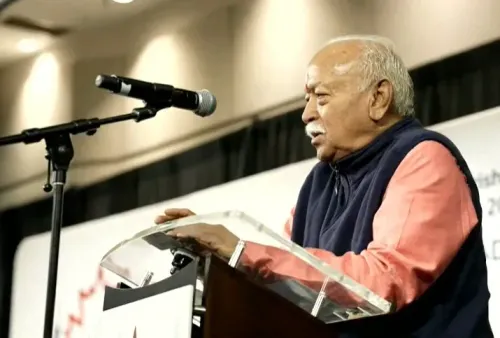
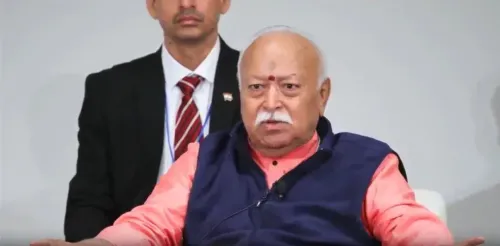
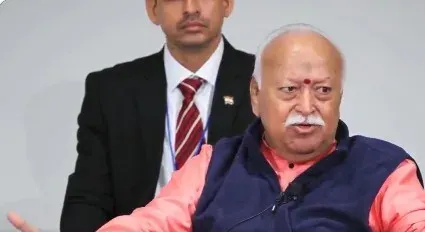
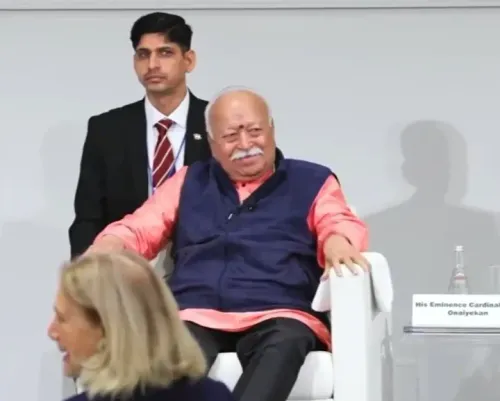
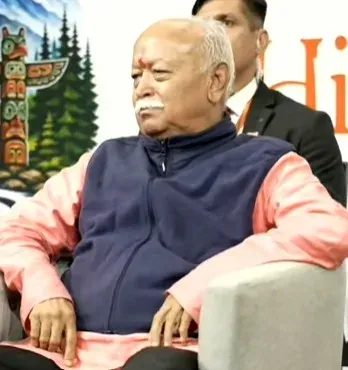
Rashtriya Swayamsevak Sangh (RSS) chief Mohan Bhagwat on 31 August told a gathering of more than 2,000 Hindus and community members in the Greater Toronto Area that Hindu identity cannot be reduced to any single language, form of worship, or way of life — arguing instead that its defining principle is respect for diversity and recognition of a shared human existence.
What Bhagwat Said
Speaking at a Hindu Vishwa Bandhu gathering themed 'Embracing the world in friendship', Bhagwat drew a clear line between outward differences and an underlying unity. 'When I say Hindu, the word Hindu cannot be defined by any specific language, through any specific worship, or through any living style,' he said. 'All these are there. These are diversities of human beings. Hindus respect all, Hindus accept all. They don't mind.'
The programme brought together community and faith leaders, scholars, professionals, and representatives of organisations from across Canada — one of the largest such gatherings of the Hindu diaspora in the country in recent memory.
Unity in Diversity: The Civilisational Argument
Bhagwat argued that India's civilisational tradition had trained its people to perceive a common principle beneath visible differences. 'In Bharat, diversity is never a problem for unity because our tradition tells us not only unity in diversity, diversities of unity,' he said.
He stressed that differences were not merely to be tolerated but celebrated as expressions of a deeper reality. 'We have to serve, accept, respect this diversity because it is expression of unity. It beautifies it. It is the decoration. We celebrate it,' he said. Invoking an ancient account involving King Janak, he distinguished between changing external circumstances — which he described as Maya — and a continuing, unchanging reality. 'The differences are Maya... Actually, there is no difference. Humanity is one,' he said.
On Compassion and Shared Humanity
Bhagwat was careful to frame compassion not as a Hindu monopoly but as a universal human trait. 'Hindus have done it. That doesn't mean only Hindus are monopoly of it. It is very human feeling,' he said. To illustrate, he asked whether anyone could eat a full meal in front of a hungry person without offering food. 'You cannot see that fellow and take your food. Nobody can do it because we are all human beings, and this is the specialty of human beings due to that innate unity,' he said.
He acknowledged that human beings possessed the capacity both to deprive and to share, and that values were necessary to guide that choice. 'Men can snatch foods from others. Men can distribute food to the hungry,' he said.
Leading by Example, Not Imposition
Bhagwat urged Hindu society to demonstrate its principles through conduct rather than seek to impose them on others. 'Hindu society must provide example. We are the leaders who lead from within and lead by example,' he said. His remarks carried an implicit message for the diaspora: that cultural identity is best expressed through lived values rather than assertion.
Context: Bhagwat's North American Visit
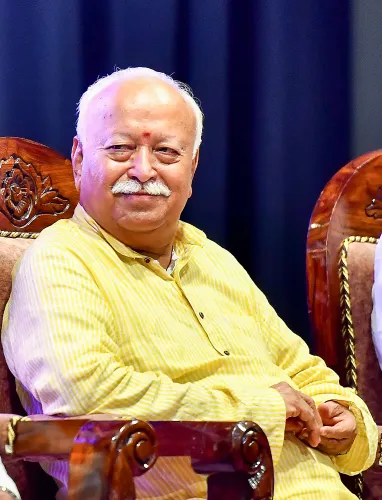
The Toronto address followed earlier engagements in New York as part of Bhagwat's broader North American tour. The RSS, founded in Nagpur in 1925 by Keshav Baliram Hedgewar, marked its centenary in 2025 and describes social service and the organisation of Hindu society as central to its mission. Bhagwat has served as the organisation's Sarsanghchalak since 2009. His overseas appearances are relatively rare and tend to draw significant attention from both the Indian diaspora and observers of Hindu nationalist politics globally.
Point of View
While preserving the civilisational argument at its core. The timing, in the RSS centenary era and amid heightened global attention on Hindu nationalist politics, makes this more than a pastoral address. Whether the pluralist language travels back into domestic RSS discourse, where the political stakes are very different, is the question mainstream coverage has largely left unasked.
NationPress
15 Oct 2026
Frequently Asked Questions
What did RSS chief Mohan Bhagwat say about Hindu identity in Toronto?
Bhagwat said Hindu identity cannot be defined by any specific language, form of worship, or way of life, arguing instead that its central principle is respect for diversity and recognition of the unity of all existence. He made these remarks at a Hindu Vishwa Bandhu gathering of more than 2,000 people in the Greater Toronto Area on 31 August.
What is the Hindu Vishwa Bandhu gathering?
Hindu Vishwa Bandhu is a community gathering centred on the theme of global friendship and Hindu identity. The Toronto event brought together faith leaders, scholars, professionals, and representatives of organisations from across Canada.
Why is Bhagwat's North America visit significant?
Overseas appearances by the RSS Sarsanghchalak are relatively rare and draw considerable attention from the Indian diaspora and observers of Hindu nationalist politics globally. The Toronto address followed earlier engagements in New York and comes during the RSS's centenary period, adding symbolic weight to the visit.
How did Bhagwat explain the concept of unity in diversity?
Bhagwat argued that India's civilisational tradition teaches people to see a common principle beneath visible differences — what he called 'diversities of unity'. He described outward differences as Maya (illusion) and said humanity at its core remains one, citing an ancient account involving King Janak to illustrate the distinction.
Who founded the RSS and when?
The Rashtriya Swayamsevak Sangh was founded in Nagpur in 1925 by Keshav Baliram Hedgewar. The organisation marked its centenary in 2025 and describes social service and the organisation of Hindu society as central to its mission. Mohan Bhagwat has served as its Sarsanghchalak since 2009.