Biratnagar ICP gets first containerised cargo train from Kolkata Port
Synopsis
For the first time, Nepal's Biratnagar ICP has received a containerised cargo train directly from Kolkata Port — ending the Birgunj corridor's monopoly on rail-linked imports. With logistics costs projected to fall 20–30% and negotiations already underway for fertiliser and sponge iron shipments, this is more than a ceremonial first: it is a structural shift in how eastern Nepal trades with the world.
Key Takeaways
The Biratnagar ICP in eastern Nepal received its first-ever containerised cargo train on 21 July , carrying 40 containers of canola grain from Kolkata Port .
The freight service was operated by CONCOR , with all containers fitted with the Electronic Cargo Tracking System (ECTS) .
The milestone follows a November 2025 amendment to the Nepal–India Transit Treaty , allowing third-country containerised cargo to move by rail to Biratnagar.
Rail connectivity is expected to cut Nepali importers' logistics costs by 20 to 30 per cent by reducing demurrage, detention, and road haulage charges.
Biratnagar becomes Nepal's second rail-linked customs point for containerised imports, alongside Birgunj .
Nepali importers are reportedly in talks with CONCOR to extend rail services to fertiliser and sponge iron shipments.
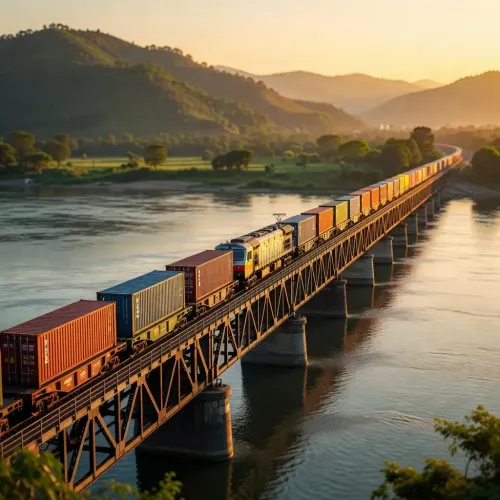
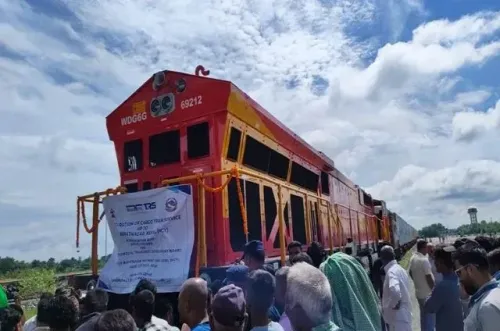
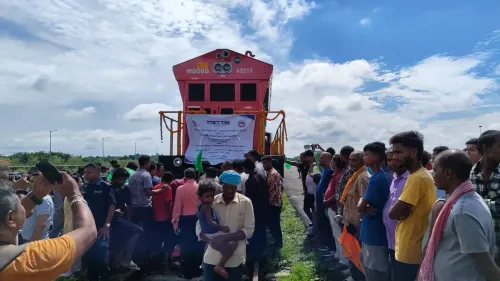
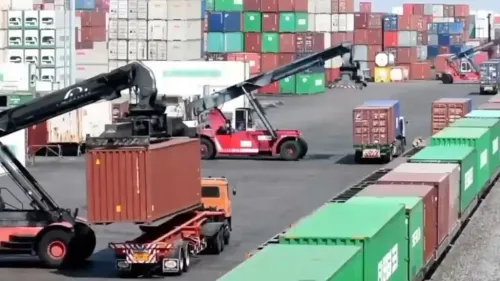
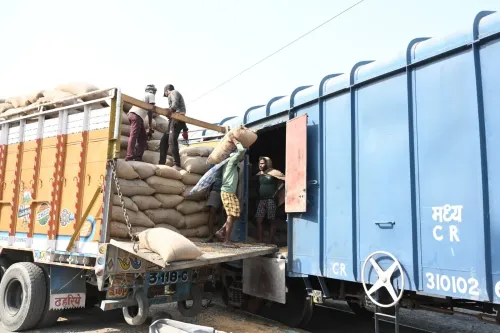
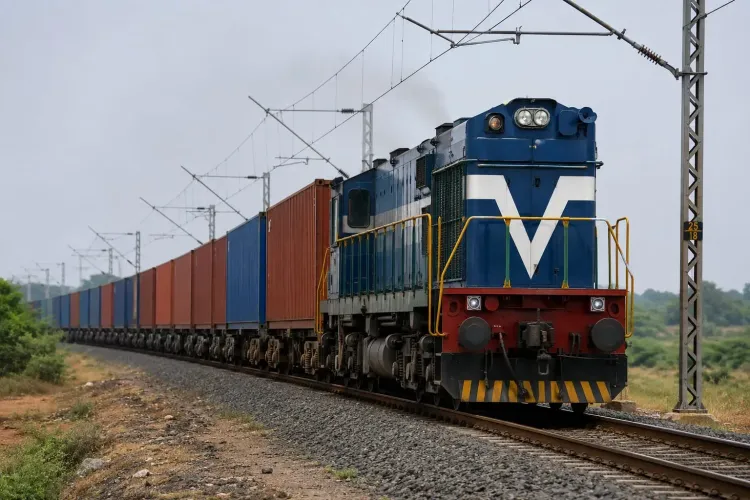
The Integrated Check Post (ICP) in Biratnagar, eastern Nepal, on Monday, 21 July received its first-ever containerised cargo train, marking a historic shift in Nepal's rail-linked trade infrastructure. The freight service, operated by the Container Corporation of India Limited (CONCOR), transported 40 high-capacity containers of canola grain — a raw material for Swastik Oil Industries — from Kolkata Port, where it departed on 17 July.
Key Developments
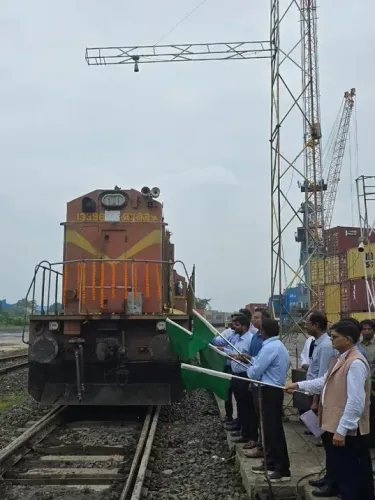
Umesh Shrestha, Chief Customs Officer at the Biratnagar Customs Office, confirmed the arrival, noting that a formal ceremony was scheduled for Tuesday afternoon at the ICP to mark the commencement of the direct rail service. The inaugural service was flagged off jointly by Nepal's Consul General in Kolkata, Jhakka Prasad Acharya, alongside officials from Kolkata Customs, Kolkata Port, and CONCOR. All containers were fitted with the Electronic Cargo Tracking System (ECTS).
What Changed Under the Amended Treaty
The milestone follows a Letter of Exchange (LoE) signed between Nepal and India in November 2025, which amended the protocol to the Nepal–India Transit Treaty. The amendment opened rail transport to both bulk and containerised cargo from third countries at the Biratnagar ICP — a facility built with Indian assistance. Previously, the protocol restricted rail freight to only four bulk commodities: coal, clinker, cement, and fertiliser.
Notably, implementation of the amended provisions was delayed by several months due to prolonged bureaucratic procedures on the Indian side, according to reports. The amended protocol also extends similar rail access to the Bhairahawa customs point in western Nepal.
Biratnagar Joins Birgunj as a Rail-Linked Customs Point
Until this development, the ICP in Birgunj — near the Indian town of Raxaul — had been Nepal's sole rail-linked customs point for containerised imports arriving through Indian seaports. Biratnagar's inclusion is expected to ease the geographic concentration of Nepal's import logistics and reduce pressure on the Birgunj corridor.
Expected Impact on Logistics Costs
'The railway service connected to the Biratnagar ICP is expected to reduce logistics costs by 20 to 30 per cent,' Shrestha said. The savings are projected to come from lower port demurrage charges, reduced container detention fees, and the elimination of additional road haulage from Kolkata. 'Previously, importers had to rely on trucks to transport third-country goods from Kolkata that could now be transported more efficiently by containerised rail,' he added.
Shrestha also indicated that Nepali importers are in negotiations with CONCOR to extend rail services to fertiliser and sponge iron shipments in the near future, signalling that the Biratnagar corridor is set to expand well beyond its inaugural cargo.
Point of View
Breaking Birgunj's long-standing monopoly on containerised imports by rail. The delay — months of bureaucratic lag after the November 2025 treaty amendment — is a reminder that bilateral agreements in South Asia routinely outpace implementation capacity. The 20–30% logistics cost projection is promising, but it will only materialise if CONCOR services run with the frequency and reliability that road haulage, for all its expense, has historically provided. The real test comes when fertiliser and sponge iron volumes move by rail — commodities where cost differentials are large enough to be industry-defining.
NationPress
20 Oct 2026
Frequently Asked Questions
What is the significance of the first cargo train at Biratnagar ICP?
It marks the first time Nepal's Biratnagar Integrated Check Post has received a direct containerised freight train from an Indian seaport, making it the country's second rail-linked customs point for containerised imports alongside Birgunj. The service is expected to cut logistics costs for eastern Nepal importers by 20 to 30 per cent.
What cargo did the inaugural train carry to Biratnagar?
The inaugural freight train carried 40 high-capacity containers of canola grain, a raw material for Swastik Oil Industries, departing Kolkata Port on 17 July and arriving at the Biratnagar Customs Yard on 21 July.
What treaty change enabled rail freight to Biratnagar ICP?
In November 2025, Nepal and India signed a Letter of Exchange amending the protocol to the Nepal–India Transit Treaty. The amendment allowed both bulk and containerised cargo from third countries to be transported by rail to the Biratnagar ICP, expanding beyond the previous restriction of four bulk commodities — coal, clinker, cement, and fertiliser.
Who operated the freight train and what tracking system was used?
The freight train was operated by the Container Corporation of India Limited (CONCOR). All 40 containers were fitted with the Electronic Cargo Tracking System (ECTS) to monitor the shipment in transit.
How will the Biratnagar rail service benefit Nepali importers?
The rail link is projected to reduce logistics costs by 20 to 30 per cent by lowering port demurrage charges, container detention fees, and road transportation expenses from Kolkata. Nepali importers are also reportedly in negotiations with CONCOR to extend rail services to fertiliser and sponge iron in the near future.