BLA appoints ex-Pakistan Army Captain Rehman Gul as commander-in-chief
Synopsis
The BLA has handed command to a former Pakistan Army Captain — a man with firsthand knowledge of its adversary's structures, networks, and pressure points. Paired with drone warfare and a deliberate push to recruit from within Pakistan's own demoralised forces, the appointment of Rehman Gul signals that the Baloch insurgency has entered a qualitatively new and more dangerous phase.
Key Takeaways
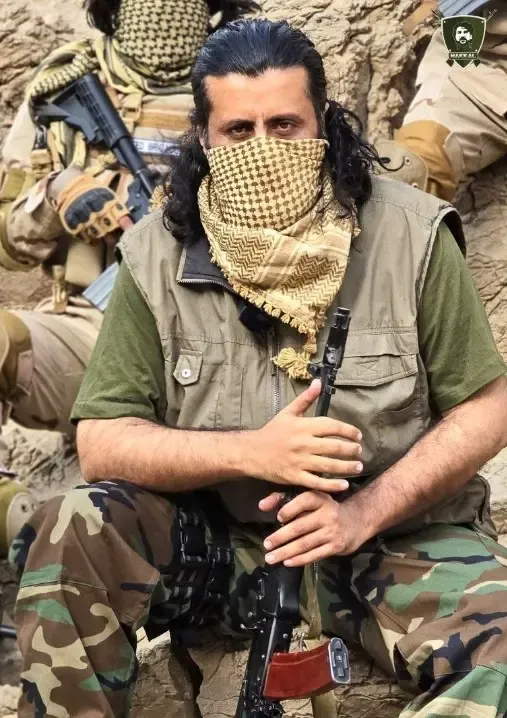
The Balochistan Liberation Army (BLA) has appointed Rehman Gul , a former Pakistan Army Captain from the 19th Frontier Force Regiment , as its new commander-in-chief.
Gul, who goes by the aliases Mureed Baloch and Ustaad Pureed , hails from Noshki and defected from the Pakistan Army over its handling of the Balochistan issue.
He was a key figure in building the BLA's elite Majeed Brigade and previously served as the group's second-in-command.
The BLA has upgraded its arsenal to include modified commercial quadcopters and sophisticated weapons, moving beyond traditional IED and ambush tactics.
The group is actively recruiting disgruntled or deserting Pakistani security personnel , with dedicated wings tasked with identifying and approaching potential defectors.
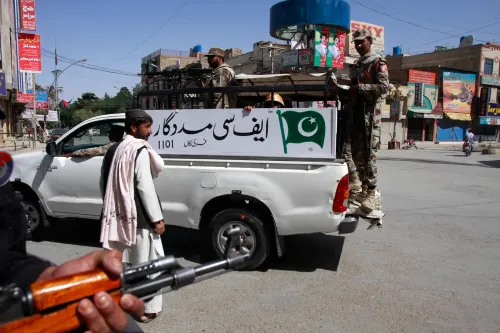
Pakistan faces compounding challenges in Balochistan, where military morale is reportedly low due to heavy losses, lack of civilian support, and discomfort over the treatment of Baloch civilians.
The Balochistan Liberation Army (BLA) has appointed Rehman Gul, a former Pakistan Army Captain who served in the 19th Frontier Force Regiment, as its new commander-in-chief — a move that security officials describe as a significant turning point in the insurgency roiling Balochistan. The appointment, which has reportedly raised alarm in Pakistan's top security circles, signals a sharp strategic evolution within the armed group.
A Former Officer at the Helm
Gul, who also operates under the aliases Mureed Baloch and Ustaad Pureed, hails from Noshki in Balochistan. After defecting from the Pakistan Army — reportedly driven by his dissatisfaction with Islamabad's handling of the Balochistan issue — he rose swiftly through the BLA's ranks, eventually becoming second-in-command before his elevation to the top post. According to officials, Gul was a key architect behind the expansion of the BLA's Majeed Brigade, which is widely regarded as the group's most lethal operational unit.
'The appointment of Gul is a major turning point in the BLA's operations,' an official said, citing his battlefield experience and, critically, his insider knowledge of Pakistan's military structures, doctrine, and personnel networks.
Tactical Upgrades: Drones, Weapons and New Recruitment
Beyond the leadership change, the BLA has simultaneously overhauled its operational toolkit. The group, which has historically relied on improvised explosive devices (IEDs) and hit-and-run ambushes, has now incorporated commercially available quadcopters modified for military use into its arsenal. Officials say these modified drones have already been deployed in attacks against convoys carrying Pakistani security personnel, as well as against military patrols.
'In addition to making operational changes in terms of leadership, the BLA has also managed to procure highly sophisticated weapons, which have made their attacks far more lethal,' the official said. This marks a qualitative shift from the group's earlier modus operandi and mirrors trends seen in other contemporary insurgencies globally.
Targeting Disgruntled Pakistan Army Personnel
Gul's appointment is also expected to accelerate a parallel BLA effort: systematic recruitment from within Pakistan's own security forces. According to officials, the BLA operates select wings dedicated to identifying and approaching disgruntled or deserting military personnel across all ranks — from foot soldiers to mid- and senior-level officers.
'These groups study these personnel, and if they come across any disgruntled personnel who have either deserted the security forces or are planning to, then the BLA quickly reaches out to such personnel,' an official said.
An Intelligence Bureau official noted that morale within Pakistan's security forces deployed in Balochistan has been eroding on multiple fronts. Heavy operational losses, a near-total collapse of local civilian intelligence support, and deep discomfort among some personnel over the treatment of Baloch civilians — including alleged forced disappearances and violence against women and children — have reportedly left segments of the force demoralised and receptive to outside approaches.
The Broader Balochistan Crisis
The BLA's reorganisation comes against a backdrop of a widening security crisis in Pakistan's largest province by area. Balochistan is resource-rich but has long suffered from chronic underdevelopment, with the economic benefits from its natural wealth historically concentrated in Islamabad, Karachi, and Rawalpindi, according to longstanding Baloch grievances. This resentment has historically fuelled multiple cycles of insurgency.
The deepening instability poses a direct threat to Pakistan's ability to honour commitments it has made to multiple foreign partners regarding access to the province's natural resources. With the BLA intensifying both its operational capacity and its outreach within Pakistan's own security apparatus, the challenge for Islamabad shows little sign of abating.
All eyes are now on whether Gul's elevation, combined with the BLA's tactical and recruitment upgrades, marks a sustainable structural shift — or whether Pakistan's security forces can adapt and contain the threat before it reshapes the conflict's balance of power.
Point of View
Communication protocols, and personnel vulnerabilities that no amount of field experience within the BLA could replicate. What mainstream coverage underweights is the recruitment dimension: if the BLA successfully scales its outreach to disaffected Pakistani soldiers, it could gain a continuous, self-renewing intelligence pipeline into its adversary. Pakistan's response will reveal whether it has a credible counter-insurgency doctrine for 2026 — or is still fighting the last war.
NationPress
16 Nov 2026
Frequently Asked Questions
Who is Rehman Gul, the new BLA commander-in-chief?
Rehman Gul is a former Pakistan Army Captain who served in the 19th Frontier Force Regiment before defecting, reportedly due to dissatisfaction with Islamabad's handling of the Balochistan issue. He is also known by the aliases Mureed Baloch and Ustaad Pureed, hails from Noshki, and was a central figure in building the BLA's feared Majeed Brigade.
Why is the BLA's appointment of a former Pakistan Army officer significant?
The appointment is significant because Gul brings first-hand knowledge of Pakistan's military structures, doctrine, and personnel networks — a major strategic asset for the BLA. Officials say it marks a turning point in the group's operations and could encourage further defections from within Pakistan's security forces.
How has the BLA upgraded its military capabilities?
Beyond the leadership change, the BLA has moved away from reliance on IEDs and ambushes to incorporate commercially available quadcopters modified for military use, which have been deployed against Pakistani security force convoys and patrols. Officials say the group has also procured more sophisticated conventional weapons.
Is the BLA actively recruiting from Pakistan's military?
Yes. According to officials, the BLA operates dedicated recruitment wings that identify and approach disgruntled or deserting Pakistani security personnel across all ranks. Gul's appointment as commander-in-chief is expected to accelerate this effort, given his personal credibility and insider knowledge.
What is driving unrest within Pakistan's security forces in Balochistan?
Officials cite multiple factors: heavy operational losses, the collapse of civilian intelligence support, and widespread discomfort among some personnel over alleged forced disappearances, violence against women, and the killing of children. An Intelligence Bureau official said these factors have left a significant portion of deployed forces demoralised.