BLF chief Allah Nazar Baloch backs PoK's sovereignty struggle
Synopsis
The BLF chief's public backing of PoK's sovereignty struggle — framed as cross-regional solidarity against Punjab's domination — arrives as deadly clashes in Rawalakot and the banning of JAAC draw global human rights scrutiny toward Pakistan's handling of its occupied territories.
Key Takeaways
BLF chief Allah Nazar Baloch declared moral and political support for the freedom struggles of Kashmiris, Pashtuns, and Sindhis on 11 June .
He stated that decisions for PoK were being made by secretary-level officials in Islamabad , bypassing the region's own people.
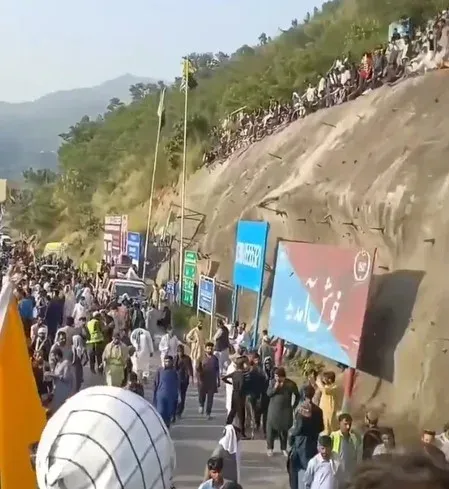
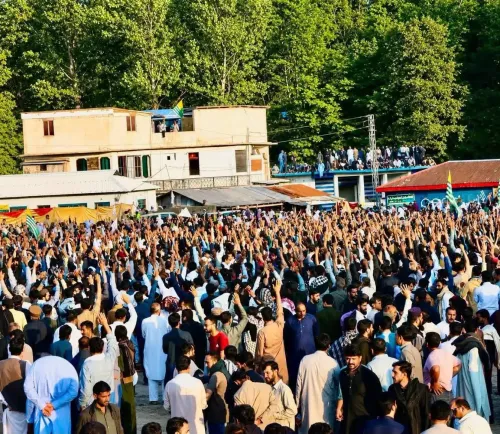
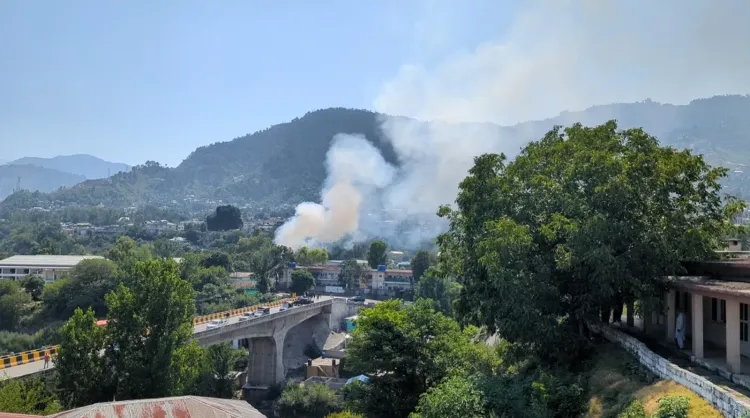
Deadly clashes between law enforcement and protesters were reported in Rawalakot city , PoK, with dozens reportedly killed and hundreds injured.
Pakistani authorities declared the Joint Awami Action Committee (JAAC) a proscribed group under anti-terrorism laws ahead of the unrest.
UK-based human rights lawyer Sabine Kayani accused Pakistan's army, under General Asim Munir , of turning 'grief into a massacre' in a post on X.
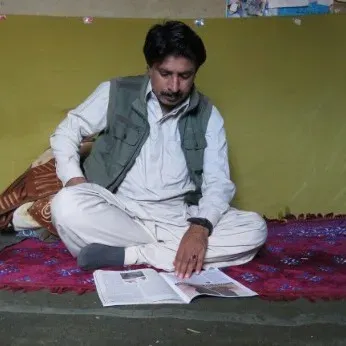
Balochistan Liberation Front (BLF) chief Allah Nazar Baloch has voiced strong support for the people of Pakistan-occupied Kashmir (PoK), stating that their resistance against Pakistani and Punjabi domination proves that 'oppressed nations cannot be subjugated by force,' according to local media reports on Thursday, 11 June. The remarks come amid a wave of deadly clashes between law enforcement personnel and protesters in Rawalakot, PoK, that reportedly left dozens dead and hundreds injured.
Key Developments
In a formal statement, Allah Nazar Baloch said Pakistan could no longer impose its will on the people of PoK, framing the Kashmiri struggle as a legitimate demand for basic rights and self-determination. He specifically highlighted what he described as Punjab's continuing domination over the region, noting that decisions affecting PoK were reportedly being taken by secretary-level officials in Islamabad rather than by the region's own people.
'We morally and politically support the freedom struggle of Kashmiris, Pashtuns and Sindhis,' The Balochistan Post quoted him as saying. The BLF leader stressed that resisting such domination was 'the right of oppressed nations' and called the struggle for freedom 'the duty of oppressed regions.'
Background: Unrest in Rawalakot
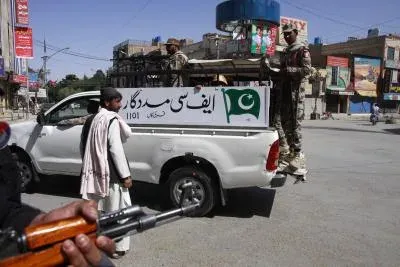
The BLF chief's statement follows a series of violent confrontations between Pakistani law enforcement and protesters in Rawalakot city, PoK. The unrest intensified after Pakistani authorities declared the Joint Awami Action Committee (JAAC) a proscribed organisation under anti-terrorism laws. The JAAC had previously organised protests over economic grievances and political rights in the region.
Videos circulating on social media reportedly showed police action against civilians in the territory, drawing condemnation from human rights advocates internationally. This is not the first time the JAAC has mobilised residents — the committee has a history of agitation over electricity tariffs, subsidies, and governance autonomy.
Human Rights Voices
Sabine Kayani, a UK-based Pakistani-origin human rights lawyer, criticised the Pakistani authorities' handling of the unrest in a post on X. In her post, she stated that peaceful protesters were seeking 'bread, electricity, dignity' but received 'live fire, clouds of tear gas that choked the streets' in return.
'They demanded bread, electricity, dignity, and those rights stolen from their rivers and their future. They marched against the crippling electricity bills generated by their own dams, against subsidies vanishing into far-off pockets, and against a system that treats them as mere tenants on their ancestral land. The response came in the form of live fire and clouds of tear gas that choked the streets. Funerals turned into scenes of further violence, with reports of elders, women, and young men listed as martyrs — shot down as they buried their dead. Pakistan's army, under the command of General Asim Munir, stands accused of turning grief into a massacre,' Kayani stated.
Wider Significance
The BLF's public alignment with PoK's protest movement is notable: a Baloch separatist organisation extending solidarity to Kashmiri and Pashtun movements signals a broader, cross-regional narrative of grievance against what critics describe as centralised Pakistani state authority. Notably, this convergence of dissent — from Balochistan to PoK — has drawn increasing international attention to Pakistan's internal fault lines.
As protests continue and international scrutiny mounts, the Pakistani government has yet to formally respond to the BLF statement or the human rights criticisms raised by figures such as Kayani.
Point of View
Not merely a rhetorical one. The banning of JAAC under anti-terrorism law, rather than engaging its economic demands, follows a familiar playbook — one that has historically deepened, not defused, separatist sentiment in Balochistan itself. If Pakistan does not address the electricity subsidy and autonomy issues that triggered the Rawalakot protests, the BLF's solidarity today could become a template for a more coordinated multi-regional opposition tomorrow.
NationPress
25 Oct 2026
Frequently Asked Questions
What did BLF chief Allah Nazar Baloch say about PoK?
Allah Nazar Baloch stated that the resistance of PoK's people against Pakistani and Punjabi domination proves that 'oppressed nations cannot be subjugated by force.' He expressed moral and political support for the freedom struggles of Kashmiris, Pashtuns, and Sindhis.
Why did protests break out in Rawalakot, PoK?
Protests in Rawalakot were driven by economic grievances including high electricity bills, disappearing subsidies, and demands for greater political autonomy. The unrest escalated after Pakistani authorities proscribed the Joint Awami Action Committee (JAAC) under anti-terrorism laws.
What is the JAAC and why was it banned?
The Joint Awami Action Committee (JAAC) is a protest body that had organised demonstrations in PoK over economic issues and political rights. Pakistani authorities declared it a proscribed organisation under anti-terrorism laws, a move that critics say intensified the unrest rather than containing it.
Who is Sabine Kayani and what did she say?
Sabine Kayani is a UK-based Pakistani-origin human rights lawyer who posted on X criticising Pakistan's crackdown in PoK. She alleged that peaceful protesters demanding basic rights were met with live fire and tear gas, and accused Pakistan's army under General Asim Munir of turning 'grief into a massacre.'
What is the Balochistan Liberation Front (BLF)?
The Balochistan Liberation Front is a Baloch separatist organisation that has long opposed what it describes as Pakistani state domination over Balochistan. Its chief's statement extending solidarity to PoK's protesters marks a notable cross-regional convergence of dissent against centralised Pakistani authority.