Baloch National Movement protests in Utrecht over Balochistan disappearances
Synopsis
Baloch diaspora activists took their campaign to the streets of Utrecht on the UN's International Day of the Victims of Enforced Disappearances, with the BNM alleging thousands of disappearances, extrajudicial killings, and what it terms an 'ongoing process of genocide' by Pakistani forces in Balochistan — a charge Islamabad rejects but one that is finding louder audiences in Europe.
Key Takeaways
The Baloch National Movement (BNM) held a protest in Utrecht, Netherlands , on 1 September to mark the International Day of the Victims of Enforced Disappearances .
Demonstrators demanded an immediate end to enforced disappearances, independent investigations, and accountability for alleged perpetrators in Balochistan .
The BNM alleges that 'thousands' of Baloch people have been forcibly disappeared by Pakistani forces, with families denied information on their relatives' fate.
Speakers described the disappearances as part of an 'ongoing process of genocide' — a charge Pakistani authorities have consistently denied.
The UN designated 30 August as the International Day of the Victims of Enforced Disappearances in 2011 .
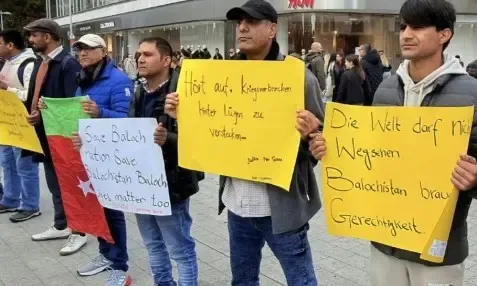
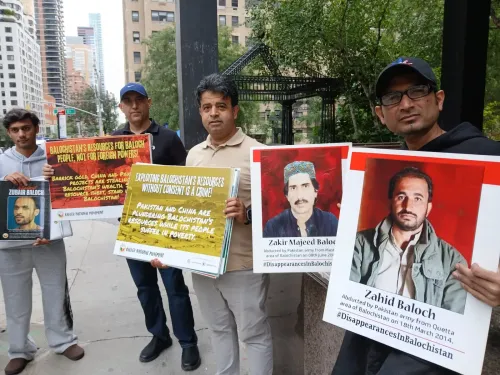
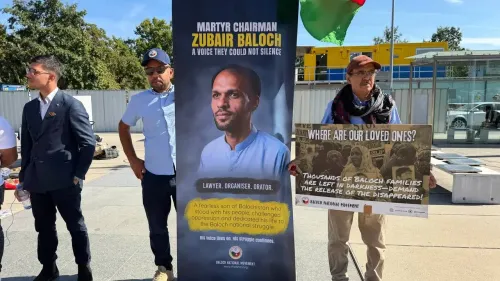
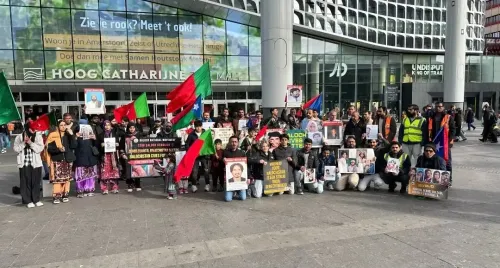
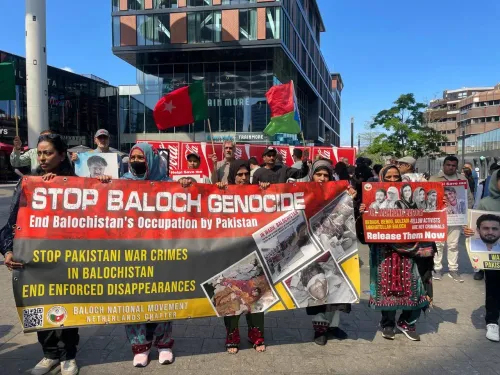
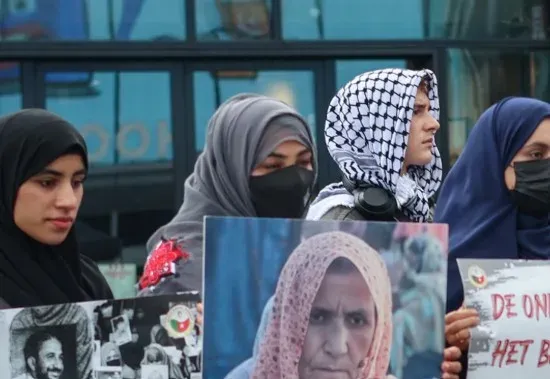
The Baloch National Movement (BNM) staged a public demonstration in Utrecht, Netherlands, on Monday, 1 September, drawing international attention to what the group describes as systematic human rights abuses by Pakistani forces in Balochistan — including the enforced disappearance of thousands of people, extrajudicial killings, and other grave violations.
Why the Protest Was Held
The demonstration coincided with the International Day of the Victims of Enforced Disappearances, observed globally on 30 August each year. The day was designated by the United Nations in 2011 to raise awareness of enforced disappearances as a human rights violation and to honour victims and their families. Political activists attending the Utrecht rally expressed solidarity with affected Baloch families.
What Protesters Demanded
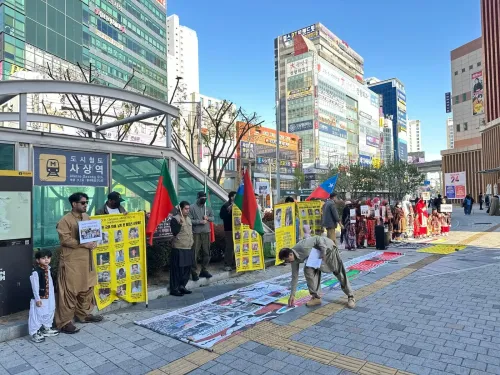
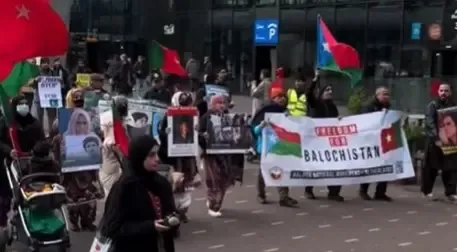
According to the BNM, demonstrators held photographs of forcibly disappeared individuals and carried banners and placards calling for justice. Speakers at the gathering demanded the immediate disclosure of the whereabouts, condition, and fate of all disappeared persons to their families. They also called for an end to enforced disappearances, independent and transparent investigations into reported violations, and accountability for those responsible.
Scale of the Crisis, According to BNM
Addressing the crowd, speakers described the impact of enforced disappearances as 'profound and devastating' for Baloch society, asserting that 'hardly any family in Balochistan has remained untouched' by the trauma. The BNM stated that those affected span 'various sections of society — including political and social activists, students, teachers, journalists, lawyers, writers, human rights defenders and ordinary civilians.'
'Across Balochistan, families have endured prolonged anguish and uncertainty following the abduction and disappearance of their loved ones. In many cases, families are given no information about the whereabouts, condition or fate of their relatives, deepening their suffering and leaving them in a state of unbearable uncertainty,' the BNM stated.
Genocide Allegation and Broader Context
Speakers went further, alleging that enforced disappearances constitute part of an 'ongoing process of genocide' by Pakistani forces against the people of Balochistan — a characterisation that Pakistani authorities have consistently rejected. The BNM stated that 'the continued enforced disappearance of thousands of people, extrajudicial killings and other serious human rights violations have created an atmosphere of fear, insecurity and uncertainty across Balochistan.'
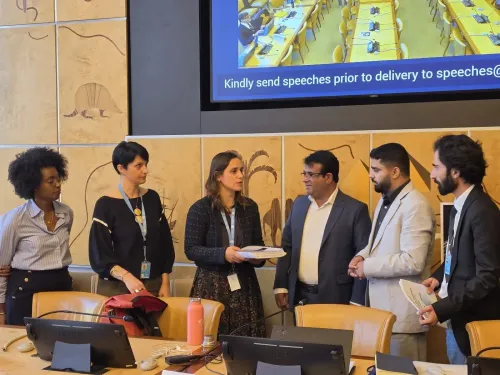
This comes amid years of international criticism over the human rights situation in Balochistan, with various rights organisations documenting cases of missing persons. The Utrecht protest is part of a broader pattern of diaspora-led advocacy seeking to internationalise the Balochistan issue at forums beyond South Asia.
What Comes Next
The BNM has reiterated its call for the international community to press Pakistan for accountability. Whether European governments or UN bodies respond to the renewed advocacy push remains to be seen, but the Utrecht demonstration signals a continued effort by Baloch groups to sustain global pressure on the issue.
Point of View
But the BNM's choice of Utrecht — in the heart of the EU — is a deliberate pressure tactic aimed at European legislators and human rights institutions rather than Islamabad. The 'genocide' framing is a significant escalation in language; if it gains traction in European parliamentary circles, it could complicate Pakistan's engagement with EU trade and aid mechanisms. What mainstream coverage often misses is that these protests are increasingly coordinated around UN calendar moments, suggesting a maturing advocacy strategy rather than spontaneous outrage. The real test is whether international bodies move beyond statements to accountability mechanisms.
NationPress
16 Oct 2026
Frequently Asked Questions
What is the Baloch National Movement (BNM)?
The Baloch National Movement is a political organisation advocating for the rights of the Baloch people, particularly in relation to alleged human rights abuses in Balochistan, Pakistan. It operates largely through diaspora networks and international advocacy campaigns.
Why did the BNM protest in Utrecht, Netherlands?
The BNM staged the protest on 1 September to coincide with the International Day of the Victims of Enforced Disappearances, observed on 30 August each year. Utrecht was chosen as a venue to draw attention from European audiences and institutions to the alleged crisis in Balochistan.
What is the International Day of the Victims of Enforced Disappearances?
It is a UN-designated observance held every year on 30 August, established in 2011, to raise global awareness of enforced disappearances as a human rights violation and to honour victims and their families.
What specific demands did the BNM make at the Utrecht protest?
The BNM demanded the immediate disclosure of the whereabouts and fate of all forcibly disappeared persons, an end to enforced disappearances, independent and transparent investigations into reported human rights violations, and accountability for those responsible.
Has Pakistan responded to the genocide allegation made by the BNM?
Pakistani authorities have consistently rejected characterisations of a genocide or systematic abuse in Balochistan, describing such claims as politically motivated. The BNM's 'genocide' framing is disputed and has not been formally recognised by international bodies.