BNP rejects July National Charter reforms, splits Bangladesh's political transition
Synopsis
Bangladesh's ruling BNP signed the July National Charter — then walked away from it. With 68% voting Yes in the February 2026 referendum, the BNP's refusal to implement outcomes and its Home Minister's 'illegal order' remark exposes a calculated political retreat, fracturing the post-Hasina reform coalition at its most critical moment.
Key Takeaways
BNP declined to take the oath as members of the Constitution Reform Council , effectively rejecting the February 2026 referendum outcomes.
The referendum on the July National Charter recorded approximately 68 per cent voting 'Yes', authorising parliament to act as a constituent assembly.
Home Minister Salahuddin Ahmed called the July National Charter Implementation Order an 'illegal order' in parliament in April .
Ahmed admitted the BNP had 'compromised on many issues and signed the charter so that elections would not be obstructed.' Jamaat-e-Islami and the student-led National Citizen Party (NCP) are pushing for immediate reform implementation, deepening the alliance split.
The July National Charter of 2025 included commitments to limit the Prime Minister's tenure to 10 years and establish a 100-member Upper House .
Bangladesh's Bangladesh Nationalist Party (BNP), which assumed power earlier this year, has publicly distanced itself from the reform agenda enshrined in the July National Charter, refusing to implement the outcomes of the February 2026 referendum and declining to take the oath of office as members of the Constitution Reform Council. The development signals a deepening fault line in Bangladesh's post-uprising political transition, according to a report in The Diplomat.
Two Years of Turmoil, Unfinished Reform
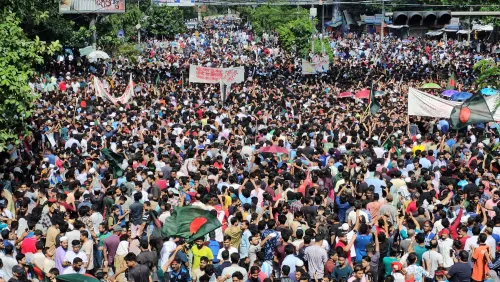
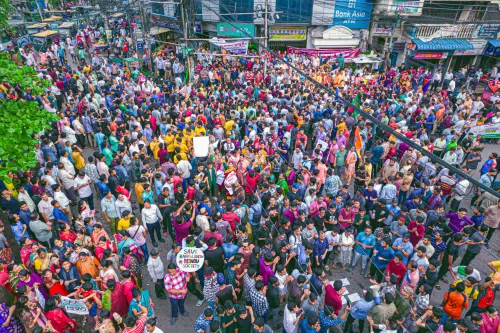
Bangladesh has endured sweeping institutional disruption and episodes of mob violence in the 24 months since the July 2024 protests that toppled the government of Sheikh Hasina and her Awami League. While the uprising succeeded in removing Hasina from office, the deeper structural transformation it demanded has remained incomplete, the report noted.
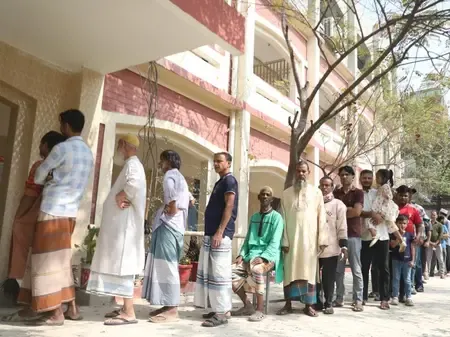
The February 2026 referendum on the July National Charter recorded approximately 68 per cent voting 'Yes', providing what supporters described as a popular mandate to restructure governance and authorising parliament to function as a constituent assembly to enact reforms. The BNP's effective repudiation of that result has since become a flashpoint.
What the BNP Signed — and Now Disputes
The July National Charter of 2025 had drawn agreement from all major political parties, including the BNP, on several core reform principles: limiting the Prime Minister's tenure to 10 years, safeguarding the independence of the Judiciary and Election Commission, protecting human rights, and establishing a 100-member Upper House.
A BNP member told The Diplomat that the party 'wants to bring changes to the constitution as per the BNP's 31-point outline, which has many similarities with the July National Charter,' but 'does not want to make changes to the constitution the way NCP and Jamaat suggest.' The statement reflects the BNP's preference for its own reform roadmap over the consensus document it previously endorsed.
Home Minister Labels Charter Order 'Illegal'
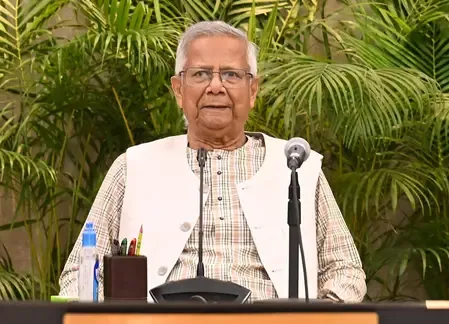
Bangladesh Home Minister Salahuddin Ahmed, who had represented the BNP in negotiations with the former Muhammad Yunus-led interim government on the charter, reportedly described the July National Charter Implementation Order as an 'illegal order' while addressing parliament in April.
Ahmed acknowledged that the BNP had 'compromised on many issues and signed the charter so that elections would not be obstructed under the pretext of reform,' and that the party had withheld its objections 'for the sake of elections.' Critics argue the admission confirms that the BNP's endorsement of the charter was strategic rather than principled.
Alliance Fractures: Jamaat and NCP Push Back
Following the election, the BNP and the Jamaat-e-Islami-led alliance diverged sharply on reform timelines. The Jamaat-e-Islami and the student-led National Citizen Party (NCP) have pressed for immediate implementation of the referendum outcome, while the BNP has sought to delay the process — a position that has drawn sharp criticism from July protest leaders.
The Diplomat noted that 'the BNP maintained a political ambiguity about the July reforms and referendum, which led critics to point out that the party had chosen political conservatism at a time of radical political changes.' It added that 'only time will tell whether BNP chooses the right path or a very narrow path to liberal democracy.'
What Comes Next
The standoff leaves Bangladesh's constitutional reform process in limbo, with the aspirations of the July Revolution contested between a ruling party reluctant to cede institutional control and a coalition of Islamist and student-led parties demanding swift structural change. How the BNP navigates this tension will likely define the character of Bangladesh's democratic transition for years to come.
Point of View
But that the July Revolution's energy dissipates into procedural deadlock, normalising the very elite capture the protests set out to dismantle.
NationPress
21 Oct 2026
Frequently Asked Questions
Why has BNP distanced itself from the July National Charter?
The BNP has declined to implement the outcomes of the February 2026 referendum on the July National Charter, with Home Minister Salahuddin Ahmed calling the implementation order 'illegal.' Ahmed acknowledged the party had signed the charter primarily to prevent elections from being delayed, suggesting the endorsement was tactical rather than substantive.
What did the July National Charter commit Bangladesh's parties to?
The July National Charter of 2025 secured agreement from all major parties — including the BNP — on limiting the Prime Minister's tenure to 10 years, ensuring the independence of the Judiciary and Election Commission, protecting human rights, and creating a 100-member Upper House. The February 2026 referendum on the charter recorded approximately 68 per cent voting Yes.
How has the BNP's position split its political alliance?
Following the election, the BNP diverged from its allies Jamaat-e-Islami and the student-led National Citizen Party (NCP), both of which are demanding immediate implementation of the referendum outcome. The BNP has sought to delay the process and pursue reforms through its own 31-point outline instead.
Who is affected by Bangladesh's stalled reform process?
The stalled reforms directly affect Bangladesh's institutional architecture — the judiciary, election commission, and parliament's constitutional role. More broadly, the July 2024 protest movement, which drove Sheikh Hasina from power, had sought radical political changes that now risk being shelved by the very party that benefited from the uprising.
What happens next in Bangladesh's constitutional transition?
The reform process remains in limbo, with no confirmed timeline for implementing the referendum mandate. The BNP's preferred path — constitutional changes via its own 31-point framework — has not been formally tabled, leaving Bangladesh's democratic transition unresolved and contested between the ruling party and its former reform partners.