UK PM Burnham backs Zelensky as US-Russia diesel deal strains Ukraine ties
Synopsis
As Trump’s US-Russia diesel deal upended transatlantic unity, British PM Andy Burnham stepped in with a direct call to Zelensky, pledging continued sanctions on Russia and an in-person meeting. The episode marks one of the sharpest public rifts between Washington and Kyiv since the war began — and London is betting it can hold the Western line even as Washington pivots.
Key Takeaways
British PM Andy Burnham called Volodymyr Zelensky on 11 October to reaffirm ‘complete solidarity’ with Ukraine.
10 Downing Street confirmed Burnham acknowledged the past 24 hours had been difficult for Ukraine and pledged continued sanctions on Russia .
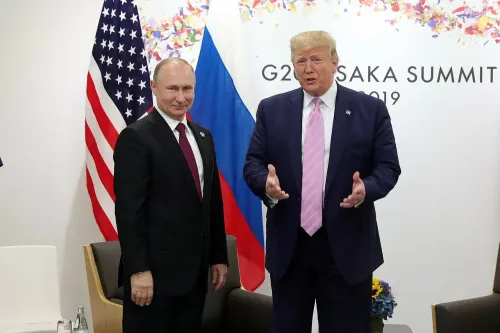
US President Donald Trump announced a deal for Russia to supply millions of tonnes of diesel to the US and global markets, alongside eased sanctions on Russian diesel trade.
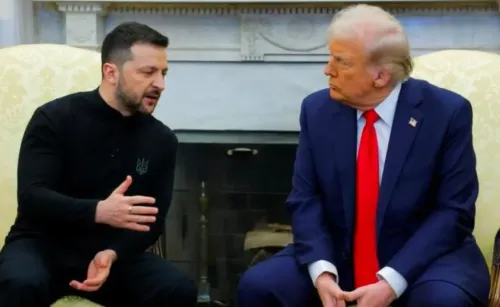
Trump publicly called for Ukraine to replace Zelensky , accusing him of failing to reach a peace deal and blaming him for high US diesel prices.
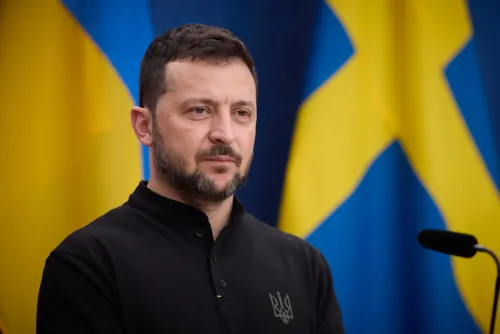
Zelensky condemned the deal on X , warning it would fund Russia’s war effort: “Gifts to Putin will not bring peace.” Burnham and Zelensky agreed to meet in person in the coming days to continue discussions.
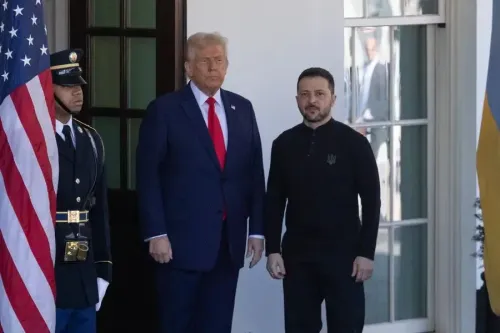
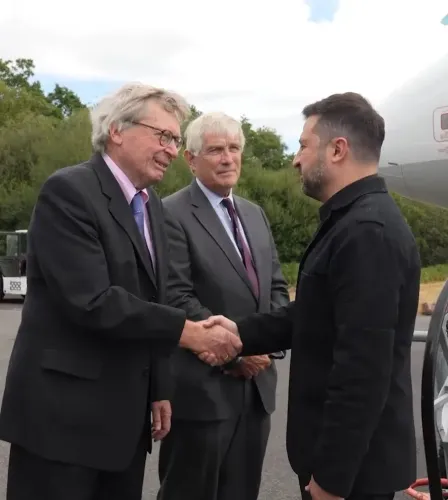
British Prime Minister Andy Burnham reaffirmed his “complete solidarity” with Ukrainian President Volodymyr Zelensky on 11 October, as Washington and Kyiv traded sharp words over a landmark US-Russia diesel supply agreement announced by US President Donald Trump. The call, confirmed by a statement from 10 Downing Street, signals London’s intent to hold the line on Ukraine support even as transatlantic unity shows signs of fracture.
The Phone Call and What Was Said
During the conversation, Burnham acknowledged that the preceding 24 hours had been “difficult” for Ukraine, according to the Downing Street statement. He pledged that Britain would continue to tighten sanctions against Russia. The two leaders also agreed to meet in person in the coming days to advance their discussions, underlining the urgency London attaches to the developing situation.
The Trump-Putin Diesel Deal That Triggered the Crisis
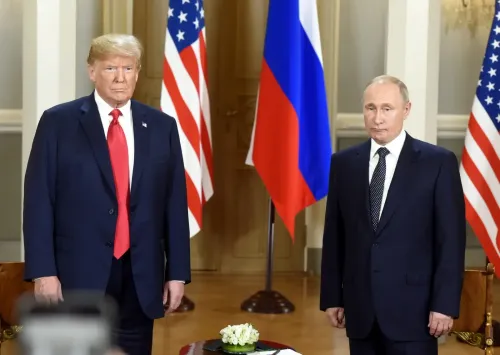
The diplomatic turbulence stems from a deal announced by Trump on Friday, under which Russia would supply millions of tonnes of diesel to the United States and global markets. Trump argued the arrangement would drive down fuel prices sharply. However, on the same day, Washington also announced measures to ease existing sanctions on Russian diesel trade — a move that drew immediate condemnation from Kyiv.
Notably, Trump went further on Saturday, publicly stating that Ukraine should have a new president, accusing Zelensky of failing to secure a peace agreement with Russia and blaming him for elevated diesel prices in the United States. The remarks represent one of the sharpest public attacks by an American president on a sitting Ukrainian leader since the war began.
Zelensky’s Rebuttal: ‘Gifts to Putin Will Not Bring Peace’
In a lengthy post on social media platform X, Zelensky mounted a forceful counter-argument, warning that allowing Russia to generate petroleum export revenues would directly fund continued military operations against Ukraine. “Gifts to Putin will not bring peace or any benefit to the civilised world,” Zelensky wrote. “Russia will ‘repay’ the diesel with further terror and perfidy. Allowing Russia to sell petroleum products is an investment in a war that must be ended, not prolonged,” he added.
Zelensky argued that the deal would strengthen the Kremlin’s capacity to sustain military operations rather than create conditions for an end to the conflict — a direct challenge to Trump’s framing of the agreement as a peace-enabling economic measure.
Wider Implications for the Western Alliance
This comes amid growing concern among European capitals that Washington’s approach to the Russia-Ukraine conflict is shifting in ways that could undermine the sanctions architecture built since 2022. Britain’s public show of solidarity is partly a signal to other European Union and NATO partners that London will not follow any American pivot toward accommodation with Moscow. The planned in-person meeting between Burnham and Zelensky is expected to address both military support timelines and the sanctions question directly.
How the US-Russia diesel arrangement affects global energy markets — and whether other Western nations follow Washington’s lead in easing energy-related sanctions — will be closely watched in the days ahead.
Point of View
The sanctions regime develops a critical leak that Moscow will exploit. Trump’s public call for a Ukrainian leadership change is also without modern precedent and deserves scrutiny beyond the diplomatic noise — it signals a willingness to use ally-pressure as a negotiating tool. The diesel deal’s actual market impact remains unverified, but the political signal it sends to the Kremlin may matter far more than the barrels.
NationPress
11 Oct 2026
Frequently Asked Questions
Why did UK PM Andy Burnham call Zelensky on 11 October?
Burnham called Zelensky to reaffirm Britain’s ‘complete solidarity’ with Ukraine after a turbulent 24-hour period triggered by the US-Russia diesel supply deal and Trump’s public criticism of Zelensky. The call was confirmed by a statement from 10 Downing Street.
What is the US-Russia diesel deal that Zelensky criticised?
US President Donald Trump announced an agreement under which Russia would supply millions of tonnes of diesel to the United States and global markets, accompanied by eased US sanctions on Russian diesel trade. Zelensky argued the deal would give Moscow additional revenue to fund its war against Ukraine.
What did Zelensky say about Trump’s agreement with Russia?
Zelensky posted a lengthy statement on X condemning the deal, writing: ‘Gifts to Putin will not bring peace or any benefit to the civilised world’ and ‘Allowing Russia to sell petroleum products is an investment in a war that must be ended, not prolonged.’ He argued it would strengthen the Kremlin’s military capacity.
What did Trump say about Zelensky?
Trump said on Saturday that Ukraine should have a new president, accusing Zelensky of failing to reach a peace agreement with Russia and blaming him for high diesel prices in the United States. The remarks were among the sharpest public criticisms of Zelensky by an American president since the war began.
What happens next between the UK and Ukraine?
Burnham and Zelensky agreed to meet in person in the coming days to continue their discussions. Britain has also pledged to keep strengthening sanctions against Russia, signalling it will not align with Washington’s easing of energy-related restrictions.