Cargo vessel hit by projectile off Oman coast, bridge damaged
Synopsis
A cargo vessel took a projectile hit off Oman's coast on 25 June, damaging its bridge — the same day Iran's IRGC warned that ships using unauthorised routes through the Strait of Hormuz face danger. The strike arrives just as Iran, Oman, and the IMO were making rare coordinated moves to stabilise one of the world's most critical shipping lanes.
Key Takeaways
A cargo vessel was struck by an unknown projectile on 25 June , approximately 7.5 nautical miles southeast of Dahit, Oman .
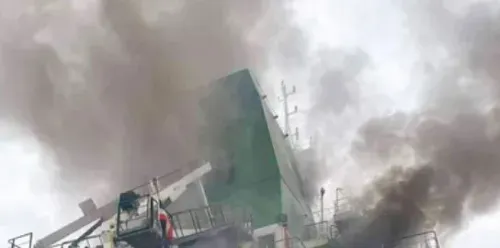
The vessel sustained bridge damage on its starboard side; no crew injuries or environmental damage were reported.
The UKMTO has advised vessels in the area to exercise caution and report suspicious activity.
Iran's IRGC Navy issued a warning on the same day, declaring traffic through unauthorised Strait of Hormuz routes 'very dangerous and prohibited.' Iran and Oman agreed on 23 June to form a 'joint working group' to oversee navigation in the strait.
The IMO has announced an evacuation plan for more than 11,000 seafarers stranded in the Strait of Hormuz .
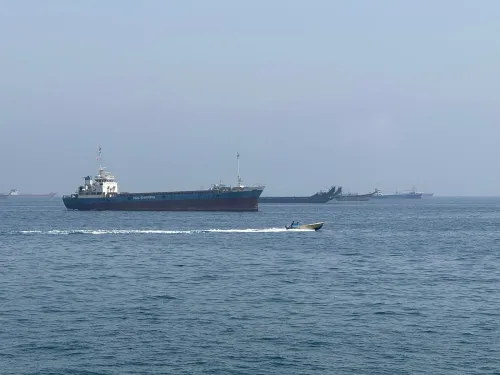
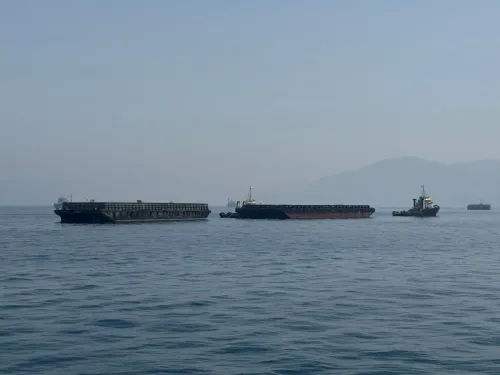
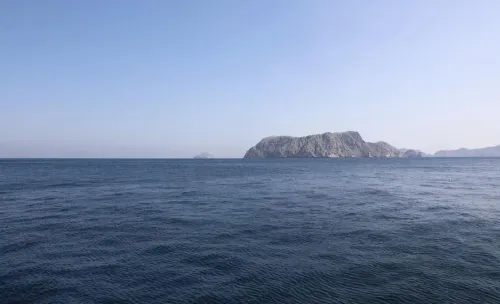
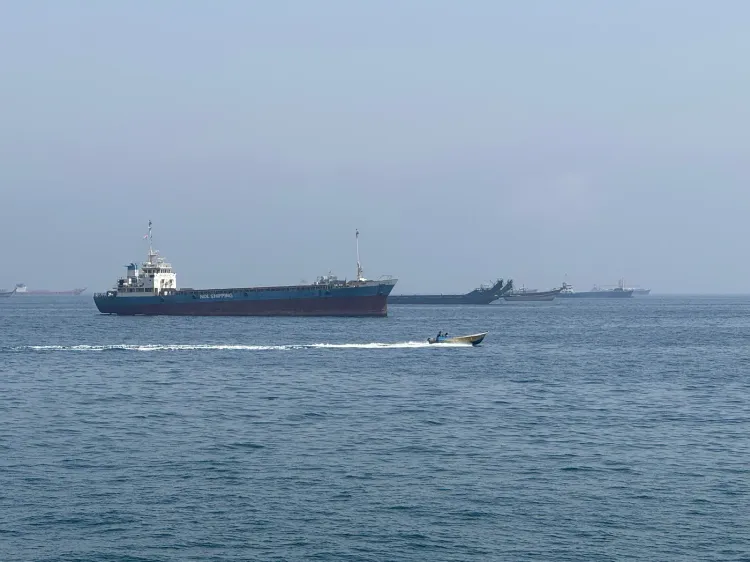
A cargo vessel was struck by an unknown projectile off the coast of Oman on Thursday, 25 June, sustaining damage to its bridge with no casualties reported, according to a maritime safety warning issued by the United Kingdom Maritime Trade Operations (UKMTO). The incident occurred approximately 7.5 nautical miles southeast of Dahit in Oman, adding fresh tension to an already volatile shipping corridor.
What Happened
The UKMTO confirmed it received a report that the vessel was struck on its starboard side. The ship's master reported no injuries among crew members and no environmental damage from the strike. Authorities have launched an investigation into the attack, and the UKMTO has advised all vessels transiting the area to exercise heightened caution and report any suspicious activity immediately.
IRGC Warning and Strait of Hormuz Tensions
The attack coincided with a stark warning from Iran's Islamic Revolutionary Guard Corps (IRGC) Navy, which on the same day stressed that the only authorised routes for vessel passage through the Strait of Hormuz are those announced by Iranian authorities. The statement, published on the IRGC's official outlet Sepah News, declared: 'Everyone must know that the only routes for passage through the strait are those announced by Iran, and traffic outside those routes is very dangerous and prohibited, and must be strictly avoided.' The timing of the warning, issued hours before or around the same period as the projectile strike, has drawn scrutiny from maritime security analysts.
Diplomatic Efforts Amid Rising Risk
The incident comes as international efforts to stabilise navigation in and around the Strait of Hormuz were gaining ground. The International Maritime Organisation (IMO) and Oman recently launched a new safety corridor aimed at facilitating passage for stranded vessels and seafarers through the strategic waterway. On Tuesday, 23 June, Iran and Oman issued a joint statement confirming they had agreed to establish a 'joint working group' to negotiate the future administration of navigation in the strait, reaffirming their commitment to safe passage in accordance with international law. The IMO also announced an evacuation plan for more than 11,000 seafarers still stranded in the Strait of Hormuz.
Strategic Context
The Strait of Hormuz is one of the world's most critical maritime chokepoints, through which a significant share of global oil and liquefied natural gas shipments pass. Attacks on commercial shipping in the broader region have periodically spiked in recent years, raising insurance premiums and diverting vessel traffic. This incident underscores the fragile security environment even as diplomatic channels between regional powers show signs of activity. Shipping industry bodies are expected to issue updated risk advisories for the area.
Point of View
For once, building. The Iran-Oman joint working group and the IMO safety corridor represent rare multilateral progress; an unresolved attack of this kind can unravel that goodwill quickly. The deeper problem is attribution: without a confirmed perpetrator, every regional actor can deny responsibility, and the insurance and rerouting costs fall on the global shipping industry regardless.
NationPress
24 Sept 2026
Frequently Asked Questions
Where exactly was the cargo vessel hit off Oman?
The vessel was struck approximately 7.5 nautical miles southeast of Dahit in Oman, according to the UKMTO. It sustained damage to its bridge on the starboard side, with no crew injuries or environmental damage reported.
Who issued the maritime warning about the incident?
The United Kingdom Maritime Trade Operations (UKMTO) issued the warning after receiving a report from the vessel's master. The UKMTO has advised all ships transiting the area to exercise caution and report any suspicious activity to authorities.
What did Iran's IRGC say on the same day as the attack?
Iran's Islamic Revolutionary Guard Corps (IRGC) Navy stated that the only authorised routes for vessel passage through the Strait of Hormuz are those announced by Iranian authorities, warning that movement through other routes is 'very dangerous and prohibited.' The statement was published on the IRGC's official outlet Sepah News.
What diplomatic steps are under way to secure the Strait of Hormuz?
Iran and Oman issued a joint statement on 23 June agreeing to form a 'joint working group' to negotiate future navigation administration in the Strait of Hormuz. Separately, the IMO and Oman launched a new safety corridor for stranded vessels, and the IMO announced an evacuation plan for more than 11,000 seafarers still stranded in the strait.
How significant is the Strait of Hormuz to global shipping?
The Strait of Hormuz is one of the world's most critical maritime chokepoints, through which a large share of global oil and liquefied natural gas exports passes. Disruptions or attacks in the area directly affect global energy supply chains, insurance premiums, and shipping routes.