Israeli chef Reena Pushkarna on Modi, Indian food and Oslo peace link
Synopsis
A celebrity chef who has spent over four decades building Indian cuisine's footprint in Israel claims her Tel Aviv restaurant was an unlikely backdrop for early Oslo peace talks — and that PM Modi, whom she has cooked for, remains as simple today as when she first met him as Gujarat Chief Minister. Her story is equal parts culinary diplomacy, business resilience and accidental history.
Key Takeaways
Reena Pushkarna , founder of the Tandoori chain in Israel , has operated Indian restaurants there for over four decades .
She catered for PM Narendra Modi during his official visit to Israel, describing his preferences as vegetarian with traditional Indian flavours and masala chai .
She opened Kohinoor in Jerusalem in 1991 , reportedly the world's first Indian kosher restaurant.
Her restaurant chain contracted significantly due to the Covid-19 pandemic and nearly three years of regional conflict, forcing closure of several branches.
She claims early meetings linked to the Oslo peace process were held at her Tel Aviv Tandoori restaurant.
She expressed hope that PM Modi could play a constructive role in promoting regional peace, given his relationships with Middle East leaders.
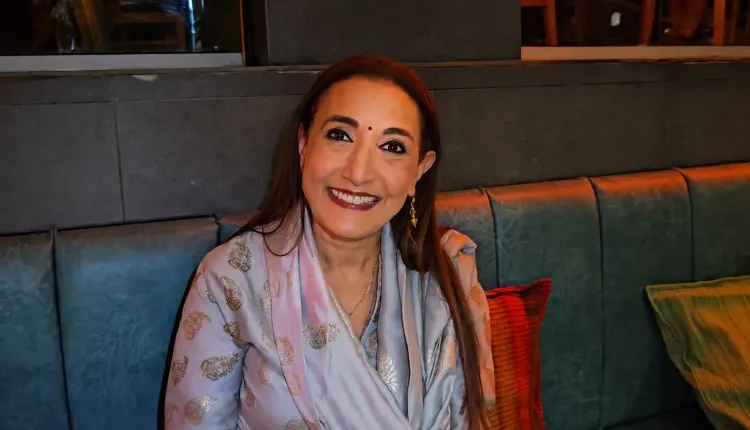
Celebrity chef and restaurateur Reena Pushkarna, founder of the Tandoori restaurant chain in Israel and Chairperson of the Israel Chapter of the Overseas Friends of BJP (OFBJP), has spoken warmly about Prime Minister Narendra Modi, describing him as someone who has retained his humility despite reaching the highest office in India. Speaking from Tel Aviv on 4 July, Pushkarna recalled cooking for Modi during his official visit to Israel and reflected on more than four decades of building Indian cuisine's presence in the country.
A Long Association with PM Modi
Pushkarna said she first encountered Narendra Modi when he visited Israel as Gujarat Chief Minister for an agritech engagement, well before his rise to national prominence. She noted that his character had not changed in the intervening years. 'Even though today Modi ji is the Prime Minister, he still remains the same simple personality who, if he knows you by name, he knows you by name forever,' she said.
When Modi later visited Israel as Prime Minister, Pushkarna's team catered for his tightly scheduled programme. She described his food preferences as a reflection of his simplicity — a vegetarian diet built around traditional Indian flavours and masala chai.
Four Decades of Indian Cuisine in Israel
Pushkarna arrived in Israel more than four decades ago and set about introducing Indian food to an audience largely unfamiliar with it. Her initial focus on vegetarian Indian cuisine did not gain immediate traction, given Israeli food habits that lean heavily towards meat-based dishes. 'First, it was vegetarian Indian cuisine, which did not really take off well with the Israelis, as they are more meat eaters. A year later, I opened Tandoori and haven't looked back,' she said.
That pivot proved decisive. The Tandoori chain grew into one of the most recognised Indian restaurant brands in Israel. Early dishes such as chicken tikka and chicken Kasturi — initially offered as complimentary items to encourage hesitant diners — helped build acceptance over time. 'A whole generation grew up on my chicken tikka and my chicken Kasturi,' she recalled.
Pushkarna also adapted recipes to comply with kosher regulations, which prohibit mixing meat and dairy. That cultural accommodation led her to open Kohinoor in Jerusalem in 1991, which she described as the world's first Indian kosher restaurant.
Business Under Pressure: Covid and Conflict
The growth of Pushkarna's restaurant empire has not been without serious disruption. The Covid-19 pandemic delivered the first major blow, followed by a prolonged regional conflict that has strained Israel's hospitality sector for nearly three years. Several outlets have had to be shut, and sourcing skilled labour from India has become increasingly difficult.
'I had a chain of restaurants all over, but because of Covid and because of the war situation in this country for nearly the last three years, we've had to close a few branches. That tells you about doing business in Israel. You've got to be ready for all the ups and downs,' she said.
The Kohinoor restaurant in Jerusalem was also a casualty of the collapse in tourism, closing after the pandemic and the subsequent slow recovery amid continued regional instability.
The Oslo Connection: When Diplomacy Met Curry
Among the most striking disclosures in Pushkarna's account is the role her Tel Aviv restaurant reportedly played in the early stages of the Oslo peace process. She said that meetings involving Norwegian, Israeli and Palestinian representatives — later linked to the Oslo Accords — were held at her Tandoori restaurant, though the significance only became clear to her after the fact.
When television broadcasts of the historic Rabin-Arafat handshake at the White House were followed by footage of her restaurant, newspapers reportedly carried a headline that read: 'Peace talks heat up over hot curry.' Pushkarna said the episode captures the unexpected intersections of food, diplomacy and history, and suggested it could, perhaps, happen again.
Tourism, Netanyahu and Hopes for Regional Peace
Pushkarna noted that Israeli Prime Minister Benjamin Netanyahu's family is fond of Indian cuisine, with dishes such as chicken tikka, tikka masala and pilaf rice (without coriander) among their preferences. She described a consistent sense of mutual respect between Modi and Netanyahu, rooted in both diplomatic ties and cultural familiarity.
Looking ahead, she expressed hope that PM Modi could play a constructive role in promoting peace in the region, given his relationships with leaders across the Middle East. On tourism — the lifeblood of her business — she remained cautiously optimistic. 'If the ceasefire situation remains, tourists will be back because this is a beautiful country. There's a lot of history here, and there's a lot to see in this country,' she said.
For Pushkarna, the future of Indian cuisine in Israel, and of the India-Israel cultural relationship more broadly, remains tied to the return of stability — a condition she believes is within reach.
Point of View
Not just a cultural export. Yet the Oslo claim, while vivid, rests entirely on her personal recollection and deserves independent corroboration before it is treated as settled history. More immediately, her business narrative is a candid reminder that India's cultural footprint abroad is fragile: four decades of brand-building can be undone by a pandemic and a conflict in quick succession. The labour sourcing challenge she flags — difficulty bringing skilled Indian workers to Israel — points to a structural gap in India's diaspora support infrastructure that rarely surfaces in official bilateral conversations.
NationPress
3 Oct 2026
Frequently Asked Questions
Who is Reena Pushkarna and what is her connection to India-Israel relations?
Reena Pushkarna is a celebrity chef and restaurateur who founded the Tandoori restaurant chain in Israel over four decades ago. She is also Chairperson of the Israel Chapter of the Overseas Friends of BJP (OFBJP) and has spoken about Indian cuisine as a form of culinary diplomacy between India and Israel.
Did Reena Pushkarna cook for PM Modi during his Israel visit?
Yes, Pushkarna catered for PM Narendra Modi during his official visit to Israel, preparing meals for his tightly scheduled programme. She said his preferences were vegetarian, centred on traditional Indian flavours and masala chai.
What is the Oslo peace process connection to her restaurant?
Pushkarna claims that early meetings involving Norwegian, Israeli and Palestinian representatives — later linked to the Oslo Accords — were held at her Tandoori restaurant in Tel Aviv. She said the significance became clear only after television coverage of the Rabin-Arafat handshake was followed by footage of her restaurant, with newspapers reportedly headlining it 'Peace talks heat up over hot curry.'
What is the Kohinoor restaurant in Jerusalem?
Kohinoor, opened by Pushkarna in Jerusalem in 1991, is described by her as the world's first Indian kosher restaurant. It adapted traditional Indian recipes to comply with kosher dietary laws, which prohibit mixing meat and dairy. The restaurant was later closed following the collapse of tourism during the Covid-19 pandemic.
How has the conflict in Israel affected her restaurant business?
The Covid-19 pandemic and nearly three years of regional conflict have forced Pushkarna to close several branches of her Tandoori chain. She also cited difficulty sourcing skilled labour from India as an ongoing operational challenge, describing the experience as a lesson in resilience for anyone doing business in Israel.