China using Qingming, traditional festivals to cement CCP legitimacy: Report
Synopsis
China's Communist Party has quietly turned Qingming, Dragon Boat, and Mid-Autumn festivals into recurring ideological checkpoints — reframing ancestor veneration as revolutionary sacrifice and family reunion as national loyalty. A new report argues the CCP is using the annual festival calendar itself as a governance tool, making political conformity feel as inevitable as the changing seasons.
Key Takeaways
The CCP is systematically politicising traditional Chinese festivals including Qingming , the Dragon Boat Festival , and Mid-Autumn , according to a Mizzima News report.
Qingming , historically a family-centred tomb-sweeping ritual, has been reframed as a platform for narratives of revolutionary sacrifice and regime legitimacy .
The Dragon Boat Festival is used in anti-corruption and patriotic-education campaigns; Mid-Autumn is recast as a festival of 'family-nation feeling'.
Scholars and party school writers argue festivals are 'ideal vehicles' for promoting core socialist values , especially among youth .
Universities and schools are reportedly being directed to 'systematise' festival-based patriotic and moral education .
The report warns that even private acts of mourning now take place within a 'thick web of state narratives and expectations'.
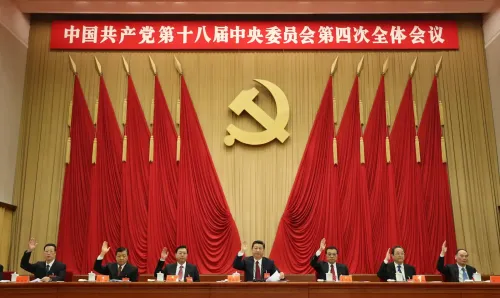
China's Chinese Communist Party (CCP) is systematically politicising traditional festivals — including Qingming, the Dragon Boat Festival, and Mid-Autumn — to embed political authority within the country's cultural and emotional life, according to a report by Myanmar media outlet Mizzima News. The analysis argues that the strategy makes ideological loyalty appear as natural and recurring as the seasons themselves.
Qingming's Transformation from Family Ritual to State Platform
Historically, Qingming was a family-centred spring observance combining tomb-sweeping, ancestor veneration, and outdoor excursions. Imperial and early modern records describe it as a time for 'honouring the dead and remembering the distant past', with the focus placed firmly on lineage and kinship rather than state ceremony.
That framing has shifted considerably in contemporary China. 'Across contemporary China, the Qingming festival is no longer only a quiet day for family grave-sweeping; it has become a platform on which the Chinese Communist Party tells a story of revolutionary sacrifice, patriotic virtue and regime legitimacy,' the Mizzima News report stated. The outlet noted that this 'fusion of private bereavement with public ideology' now extends across the entire traditional festival calendar.
How Other Festivals Have Been Reframed
The report details how the CCP has selectively reinterpreted the symbolism of multiple festivals to serve ideological ends. The Dragon Boat Festival, for instance, is officially presented as a commemoration of the loyal poet-official Qu Yuan, whose story is deployed to reinforce ideals of 'virtuousness and patriotic commitment' — including in anti-corruption and patriotic-education campaigns.
Mid-Autumn, meanwhile, has been recast as a festival of 'family-nation feeling', where the emotional pull of reunion is overtly linked to identification with the state and a broader sense of Chinese national identity, according to the report.
Festivals as 'Governance Technology'
The report points to a growing body of academic and policy literature in China that frames traditional festivals as 'carriers of ideological and political education'. Scholars and party school writers cited in the analysis argue that the rich symbolism and emotional resonance of festivals make them 'ideal vehicles' for promoting core socialist values — particularly among youth.
Universities and schools are reportedly being called upon to 'systematise' festival-based patriotic and moral education. In this framework, the report noted, the calendar itself functions as a governance technology, with each festival serving as a recurring touchpoint through which the CCP 're-arms' citizens emotionally and symbolically.
Private Grief Within a State Narrative
Despite the official overlay, the report acknowledges that for many families, Qingming remains primarily a day to clean graves, burn incense, offer flowers, and remember parents and grandparents — often at some remove from official rhetoric.
'Yet the Party's sustained effort to overlay this intimate rite with revolutionary martyrs, patriotic slogans and disciplinary rules means that even the most private acts of commemoration now take place within a thick web of state narratives and expectations,' the report stated. This tension between personal mourning and public ideology, analysts suggest, is precisely what makes the strategy effective — and difficult to resist.
Broader Implications
The findings add to a wider body of international commentary on how the CCP uses cultural instruments — from education and media to festivals and public ritual — to consolidate its authority. Critics argue that the nationalisation of traditional festivals risks eroding their original communal and familial significance, subordinating personal memory to political purpose. How China's younger generations — raised within this framework — ultimately relate to these festivals will be a key indicator of the strategy's long-term effectiveness.
Point of View
Not just the intellectual. Grief, reunion, and seasonal rhythm are among the most deeply personal human experiences; attaching state ideology to them creates a form of loyalty that feels instinctive rather than imposed. What the report captures, but mainstream coverage tends to underplay, is the governance architecture behind this: the festival calendar as a disciplinary timetable, not merely a cultural one. The long-term risk for Beijing is overreach — if younger Chinese come to associate family rituals primarily with party messaging, the festivals may lose the very emotional authenticity that makes them useful as ideological vehicles in the first place.
NationPress
27 Oct 2026
Frequently Asked Questions
What is the CCP's strategy behind politicising Qingming and other festivals?
According to a Mizzima News report, the CCP is embedding political authority within China's cultural life by reframing traditional festivals as platforms for revolutionary sacrifice, patriotic virtue, and regime legitimacy. The strategy aims to make ideological loyalty feel as natural and recurring as seasonal observance.
How has the meaning of Qingming changed under the CCP?
Historically, Qingming was a family-centred ritual focused on tomb-sweeping and ancestor veneration. In contemporary China, the report states, it has been overlaid with narratives of revolutionary martyrs, patriotic slogans, and disciplinary rules, turning a private act of mourning into a public ideological event.
Which other Chinese festivals have been politically reinterpreted?
The Dragon Boat Festival has been linked to anti-corruption and patriotic-education campaigns through the story of poet-official Qu Yuan. Mid-Autumn has been recast as a festival of 'family-nation feeling', connecting the emotion of reunion to identification with the Chinese state.
How are schools and universities involved in this effort?
According to the report, scholars and party school writers are calling on universities and schools to 'systematise' festival-based patriotic and moral education, treating festivals as recurring opportunities to promote core socialist values, particularly among young people.
Do ordinary Chinese families still observe these festivals privately?
The report acknowledges that for many families, festivals like Qingming remain primarily personal occasions for grave-cleaning and remembrance. However, it notes that the Party's sustained ideological overlay means even the most private acts of commemoration now occur within a broader framework of state narratives and expectations.