China's 100,000 reservoirs: Flood mismanagement kills dozens in Guangxi
Synopsis
China's 100,000-strong dam network was built to control floods — but a Mizzima analysis argues it now manufactures them. The 6 July Liulan Reservoir collapse in Nanning, which contributed to 39 deaths in Guangxi, is the latest in a pattern of midnight water releases without warning, failed quality checks, and accountability gaps stretching back to the catastrophic 1975 Banqiao disaster.
Key Takeaways
The Liulan Reservoir in Nanning, Guangxi collapsed on 6 July after days of rain from Typhoon Mesa , with no official warning issued until hours after water began rising.
Floods across Guangxi Zhuang Autonomous Region have left 39 people dead and 9 missing , authorities confirmed.
A 2022 notice from the Nanning Municipal Water Resources Bureau found 65 water conservancy projects had failed mandatory engineering quality checks.
China has nearly 100,000 reservoirs and dams by official estimates — more than any other country.
In 1975 , the Banqiao Reservoir collapse in Henan released 700 million cubic metres of water, killing tens of thousands instantly.
Analysts argue that unannounced midnight floodgate releases allow authorities to reclassify man-made disasters as natural floods, avoiding accountability.
China's vast network of nearly 100,000 reservoirs and dams — the largest such infrastructure base in the world — is turning lethal each monsoon season, with flawed management practices and absent early-warning systems repeatedly putting downstream communities at fatal risk, according to an analysis published by Myanmar-based outlet Mizzima.
The Liulan Reservoir Collapse
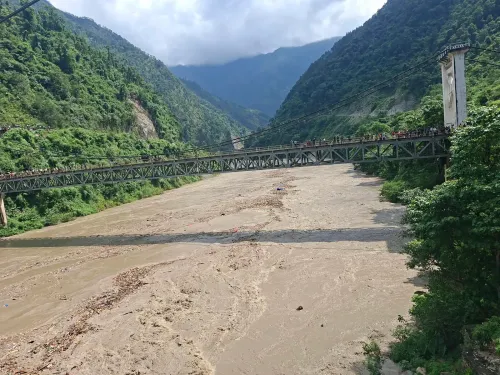
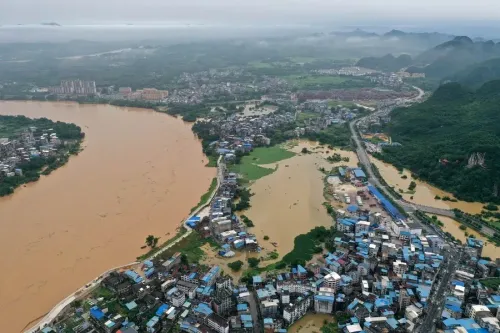
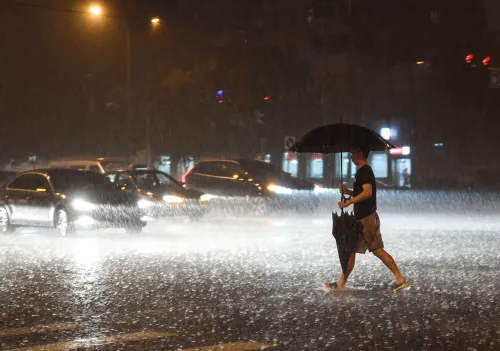
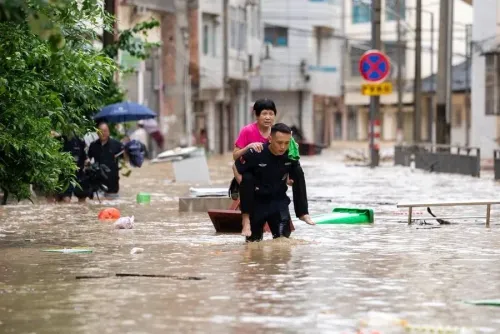
The most recent catastrophe unfolded on 6 July, when the Liulan Reservoir in Nanning, Guangxi province, breached following days of continuous rainfall brought by Typhoon Mesa. Eyewitnesses reported that floodwaters began rising at approximately 3 am local time — hours before any official alert was issued — and the structure had fully breached by 7 am. Towns including Yanbiao and Yunbiao were submerged, crops destroyed, fish ponds washed away, and hundreds of residents were left stranded without food, water, or electricity.
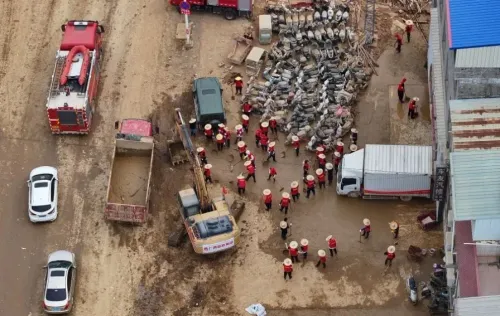
Separately, floods triggered by torrential rains across the Guangxi Zhuang Autonomous Region last week left 39 people dead and nine others missing, Chinese authorities confirmed at a flood control and disaster relief press conference. The death toll includes casualties from the Nanning reservoir breach.
A Pattern of Negligence
The Liulan collapse is far from an isolated incident. A notice issued by the Nanning Municipal Water Resources Bureau in 2022 revealed that 65 water conservancy projects in the region had failed to complete mandatory engineering quality checks. The structural risks embedded in China's dam network have deep historical roots: in 1975, the Banqiao Reservoir in Henan province collapsed after a typhoon, releasing nearly 700 million cubic metres of water. The resulting floods killed tens of thousands instantly, with hundreds of thousands more dying subsequently from starvation and disease.
Midnight Floodgate Releases and the Warning Gap
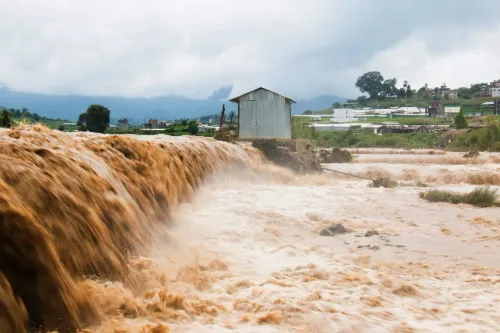
A recurring pattern identified in the Mizzima report is the practice of reservoir authorities releasing water at night without prior notice to downstream residents. Villagers in Hang Joe, Guangxi, described houses submerged to rooftops in early July after floodwaters surged through residential areas while families were asleep. Some residents survived by climbing onto rooftops; others were swept away.
According to the report, by releasing water without warning, officials effectively shift accountability away from dam management failures and reclassify the resulting devastation as 'natural floods.' Critics argue these are man-made disasters rooted in deliberate mismanagement.
What Analysts Are Saying
Sun Lee, a pseudonymous writer covering Asia and geopolitical affairs for Mizzima, argues that China's reservoir system is structurally compromised at the management level. 'The government's profit-driven ideology prioritises power generation and industrial needs over human safety. By failing to issue timely warnings, by ignoring engineering standards, and by silencing criticism, authorities perpetuate a cycle of disaster,' Lee wrote.
Lee also noted that the spread of mobile phones and social media has made it increasingly difficult to suppress ground-level accounts. 'Videos from villagers now expose the reality in real time, challenging official narratives. Yet, without accountability, the cycle will continue,' he added.
What Needs to Change
Analysts cited in the report call for mandatory pre-release warnings, independent engineering audits, and transparent flood-management protocols. Without these reforms, communities living downstream of China's ageing dam infrastructure will remain exposed every rainy season. The next monsoon cycle is already underway.
Point of View
Not a weather anomaly. China's dam network is vast enough to be a national asset, but the 2022 disclosure that 65 projects in Nanning alone had skipped quality checks signals systemic rot rather than isolated lapses. The practice of releasing water at night without warning is particularly telling — it suggests authorities prioritise deniability over lives. The 1975 Banqiao disaster killed hundreds of thousands and was suppressed for decades; the fact that the same management pathologies persist fifty years later, now only visible because of citizen video, is the real story mainstream coverage keeps missing.
NationPress
20 Oct 2026
Frequently Asked Questions
What caused the Liulan Reservoir collapse in China?
The Liulan Reservoir in Nanning, Guangxi province, collapsed on 6 July after days of continuous rainfall brought by Typhoon Mesa. Residents reported floodwaters rising at 3 am local time, hours before any official warning, with the breach complete by 7 am.
How many people have died in the Guangxi floods?
Chinese authorities confirmed 39 deaths and 9 people missing across the Guangxi Zhuang Autonomous Region following the recent floods, which included casualties from the Liulan Reservoir breach in Nanning.
Why are China's reservoirs considered dangerous?
A Mizzima analysis argues that China's nearly 100,000 dams suffer from flawed management, including unannounced nighttime floodgate releases, ignored engineering standards, and inadequate quality checks — as evidenced by a 2022 Nanning bureau notice finding 65 projects had skipped mandatory inspections.
What is the historical precedent for dam failures in China?
The most catastrophic precedent is the 1975 Banqiao Reservoir collapse in Henan province, which released nearly 700 million cubic metres of water after a typhoon. Tens of thousands died instantly, and hundreds of thousands more perished from subsequent starvation and disease.
What reforms are analysts calling for?
Analysts cited in the Mizzima report call for mandatory advance warnings before any water release, independent engineering audits of ageing dams, and transparent flood-management protocols. Without these, downstream communities face recurring risk every monsoon season.