China's Yarlung Tsangpo mega dam risks ecological disaster for India, Bangladesh
Synopsis
China has broken ground on the world's largest hydropower project on the Yarlung Tsangpo — and a new report argues it is not just an engineering feat but a ticking ecological and humanitarian risk for India and Bangladesh. With seismic vulnerability, sediment loss, and Beijing's refusal to share river data, the downstream stakes could not be higher.
Key Takeaways
China began construction in July 2025 on the Yarlung Zangbo River Lower Reaches Hydropower Project in Tibet , involving five cascade power stations .
Total project investment is approximately 1.2 trillion yuan (around 167.8 billion US dollars ).
The dam site lies in the Himalayan seismic belt , raising risks of reservoir-induced earthquakes and catastrophic downstream flooding.
Reduced sediment flow threatens fertile agricultural land in Assam and Bangladesh , endangering millions of livelihoods.
China's refusal to share hydrological data leaves downstream nations with limited flood early-warning capacity.
India formally raised concerns with Beijing on 30 December , calling for transparency and consultation with downstream countries.
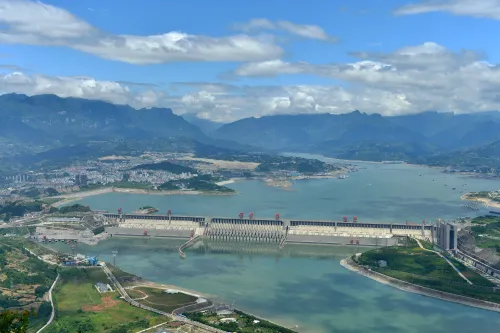
China's proposed mega-dam on the Yarlung Tsangpo River in Tibet poses severe ecological, environmental, and geopolitical risks to downstream nations — particularly India and Bangladesh — according to a detailed report published in The Tibet Express. The project, whose groundbreaking was held in July 2025, has drawn sharp criticism from water security experts and Tibetan advocacy voices alike.
Seismic and Flood Risks
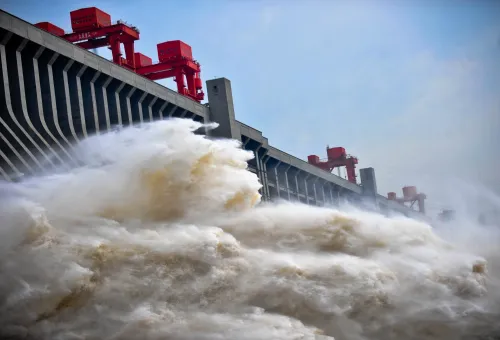
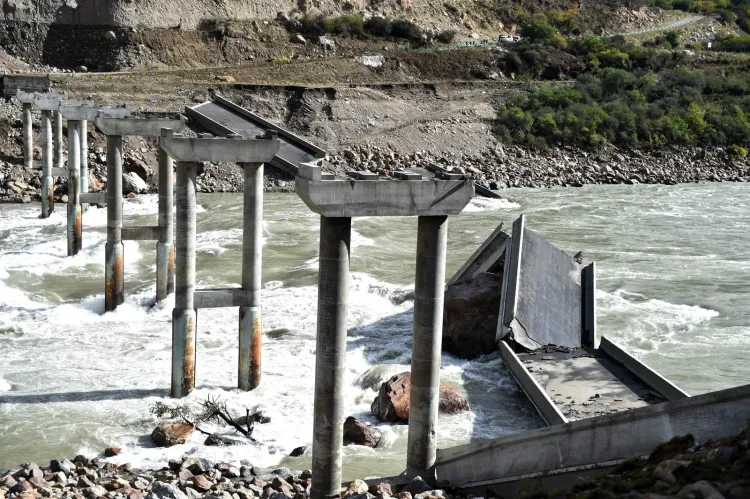
The dam's proposed location sits within the Himalayan seismic belt, one of the world's most earthquake-prone zones. Large reservoirs in such terrain can trigger reservoir-induced seismic activity, and a dam failure could unleash catastrophic flooding across downstream territories. The region is also susceptible to landslides and glacial lake outburst floods, both of which a mega-dam could amplify by raising the risk of sudden, uncontrolled water surges.
Ecological Threat to Assam and Bangladesh
Altered river flows resulting from the dam are expected to significantly reduce sediment transport along the Brahmaputra — the river's name once it enters Indian territory. This reduction in sediment movement would accelerate soil erosion and diminish fertile agricultural land in Assam and Bangladesh, threatening the livelihoods of millions who depend on the river's natural flood cycle for crop nutrition. Notably, China's continued refusal to share hydrological data with downstream nations compounds this vulnerability, leaving India and Bangladesh with limited warning capacity when floods occur.
What the Project Entails
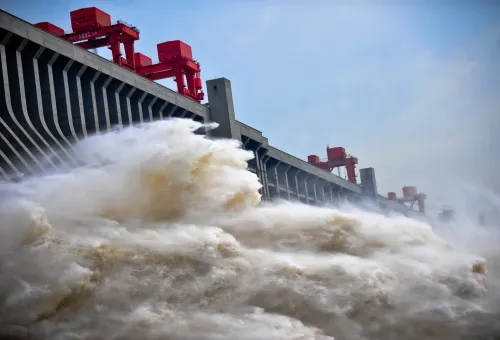
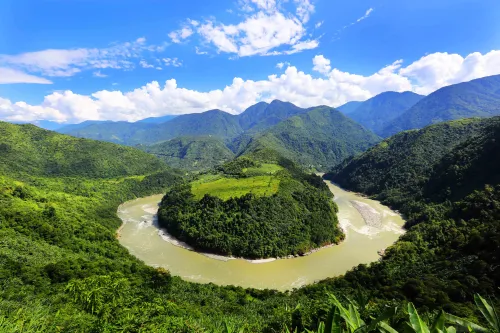
Chinese Premier Li Qiang, a member of the Standing Committee of the Political Bureau of the Communist Party of China (CPC) Central Committee, presided over the groundbreaking ceremony for the Yarlung Zangbo River Lower Reaches Hydropower Project. The project involves straightening river bends and diverting water through tunnels, constructing five cascade power stations at a total investment of approximately 1.2 trillion yuan (around 167.8 billion US dollars). Power generated is primarily intended for external transmission, with a portion reserved for local consumption in Xizang (Tibet).
Voices of Concern
Khedroob Thondup, nephew of the 14th Dalai Lama, wrote in The Tibet Express: 'The Tsangpo mega-dam is not merely an engineering project — it is a potential ecological and humanitarian disaster. Its risks extend beyond Tibet, threatening the lives, livelihoods, and ecosystems of millions downstream. India and Bangladesh must treat this as a strategic water security challenge, combining diplomacy, disaster preparedness, and regional cooperation to mitigate the dangers.'
India's Response and What Comes Next
New Delhi formally registered its concerns with Beijing on 30 December of last year, specifically pressing for 'the need for transparency and consultation' with downstream countries. India has stated it is closely monitoring all developments related to the Brahmaputra, including Chinese hydropower plans, and has undertaken both preventive and corrective measures to protect the lives and livelihoods of citizens in downstream areas. The project's construction timeline and India's diplomatic posture in the months ahead will be closely watched by regional water security analysts.
Point of View
But the deeper strategic danger is informational: a nation that controls both the water and the data about that water holds asymmetric leverage over its neighbours. India's diplomatic protest of December last year was necessary but insufficient. Without a multilateral water-treaty framework or credible international pressure, New Delhi is essentially monitoring a threat it has no legal mechanism to stop.
NationPress
2 Sept 2026
Frequently Asked Questions
What is the Yarlung Tsangpo mega dam project?
It is the Yarlung Zangbo River Lower Reaches Hydropower Project, a Chinese infrastructure initiative in Tibet involving five cascade power stations at a total investment of approximately 1.2 trillion yuan (around 167.8 billion US dollars). Construction began in July 2025 and the project will divert river flow through tunnels to generate electricity primarily for external transmission.
Why is the Yarlung Tsangpo dam a concern for India?
The dam sits in the Himalayan seismic belt and could trigger reservoir-induced earthquakes, catastrophic floods, and reduced sediment flow into Assam and Bangladesh. China's refusal to share hydrological data further limits India's ability to prepare for downstream flood events.
How has India responded to China's dam project?
India formally registered its concerns with Beijing on 30 December last year, pressing for transparency and consultation with downstream nations. The government has also stated it is monitoring Brahmaputra-related developments and has taken preventive and corrective measures to protect citizens in downstream areas.
What ecological risks does the dam pose to Bangladesh?
Altered river flows will reduce sediment movement along the Brahmaputra, accelerating soil erosion and reducing the fertility of agricultural land in Bangladesh. Landslide and glacial lake outburst flood risks are also heightened by the dam's construction in a geologically unstable zone.
Who has spoken out against the Yarlung Tsangpo dam?
Khedroob Thondup, nephew of the 14th Dalai Lama, wrote in The Tibet Express that the project is 'a potential ecological and humanitarian disaster' and called on India and Bangladesh to treat it as a strategic water security challenge requiring diplomacy, disaster preparedness, and regional cooperation.