COP31 final week: Climate resilience, adaptation finance take centre stage in Antalya
Synopsis
COP31's final week in Antalya is make-or-break: a just transition mechanism promised at Belem is 'at the bottom' of ambition, adaptation finance gaps persist, and the dual Australia-Turkey presidency has yet to build the political momentum to close them. With ministers now in the room and India's Bhupinder Yadav engaging on bilateral tracks, the next seven days will determine whether the summit delivers or defers.
Key Takeaways
COP31 entered its final week on 16 November in Antalya, Turkey , with ministers from nearly 200 countries in attendance.
Critical gaps remain on climate finance , the just transition mechanism , and binding adaptation commitments.
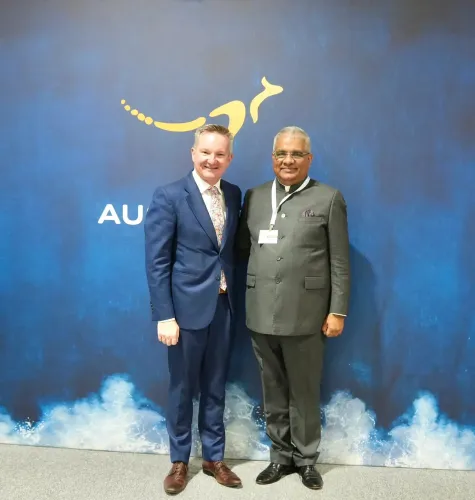
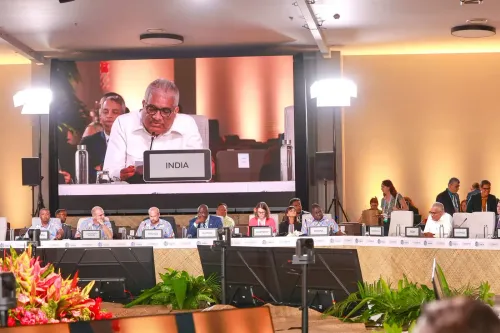
Union Minister Bhupinder Yadav arrived to lead India's delegation, pledging bilateral and multilateral engagement.
The first just transition negotiating text was criticised as falling far short of commitments made at COP30 in Belem .
The Antalya AI Pledge and Green Industrialisation Compact were launched to link technology and industry to climate action.
The EU is pushing for the IPCC's Seventh Assessment Report to inform the next Global Stocktake at COP33 in 2028 .
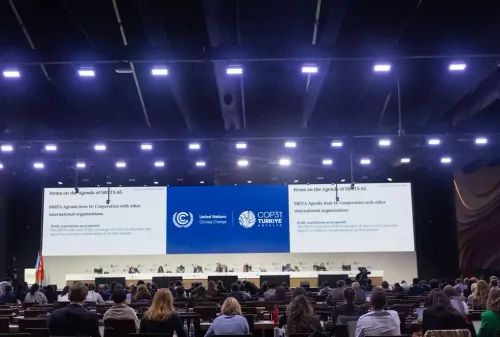
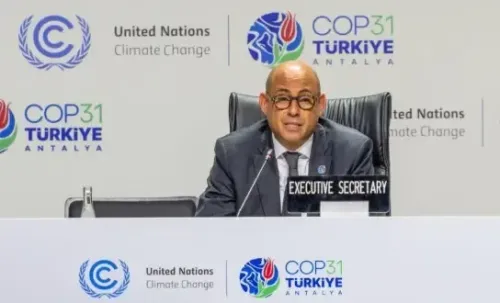
The United Nations Climate Change Conference (COP31) entered its decisive final week on Monday, 16 November in Antalya, Turkey, with ministers from nearly 200 countries converging to close critical negotiation gaps on climate resilience, adaptation finance, and a just transition. Persistent political divisions continue to shadow the talks, raising the stakes for the ministerial phase that could define the summit's legacy.
Where Negotiations Stand
The first week delivered incremental progress across several tracks, but significant gaps remain — most sharply on climate finance and the operationalisation of a just transition mechanism. The arrival of ministers follows a Leaders' Summit notably marked by the absence of several European Union leaders, a signal of the geopolitical headwinds buffeting the talks.
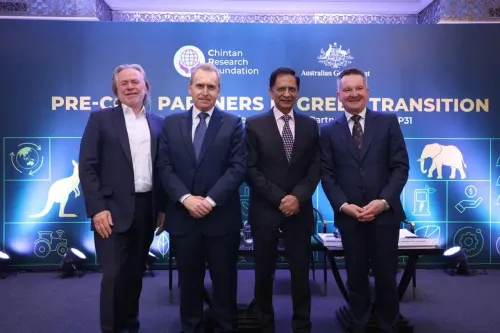
The dual Presidency of Australia and Turkey has yet to generate the political momentum needed to bridge core differences. Chris Bowen, President of COP31 negotiations, struck a cautiously optimistic tone, stating: 'Science must remain front and centre across the COP31 negotiations. The latest science tells us that we will overshoot the 1.5-degree goal, but science also shows that we can return to safer temperatures if we work together and act with urgency.'
India's Position and Bilateral Engagement
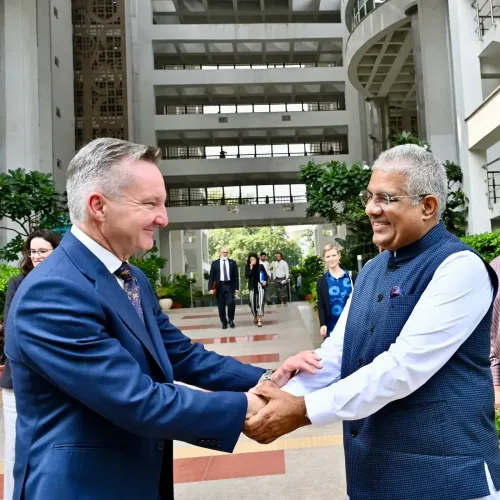
Union Cabinet Minister for Environment, Forest and Climate Change Bhupinder Yadav, leading the Indian delegation, arrived in Antalya on Sunday. In a post on X, Yadav wrote: 'Over the coming days, will be putting forward India's position and engage in bilateral and multilateral discussions. Through domestic action and international partnerships, India remains firmly committed to tackling climate change.'
Earlier, addressing a plenary discussion on COP31 priorities in Fiji on 7 October, Yadav had called for greater focus on closing implementation gaps and accelerating delivery of the Paris Agreement.
Just Transition Mechanism Under Pressure
The just transition mechanism — agreed to be operationalised at COP31 following a commitment made at COP30 in Belem — is reportedly at risk. The first negotiating text, released at the end of week one, fell sharply short of expectations.
James Trinder, International Climate Policy Coordinator at CAN Europe, was blunt in his assessment: 'The first just transition text was an insult to the promise made in Belem. The ambition is at the bottom, so there is a long way to go for the ministers to get it back on track this week. Justice and participation need structures, resources and real decision-making power. Instead, some countries are blocking that and offering little more than a compilation of documents. That is not what a mechanism means.'
AI, Green Industrialisation and Climate Technology
The COP31 Presidency is rolling out a package of initiatives linking technology to climate action. The Antalya AI Pledge asks governments and companies to demonstrate how artificial intelligence can be made part of the climate solution — addressing AI's growing energy demands while harnessing its potential to improve grid efficiency, accelerate industrial decarbonisation, and sharpen climate-risk modelling.
The Antalya Green Industrialisation Compact targets near-zero and low-emissions industrial production, recognising that industry accounts for roughly a quarter of global emissions. Separately, the COP31 Presidency and the International Telecommunication Union (ITU), in collaboration with UN-Habitat and UNFCCC, are launching a call to action on how AI, digital twins, and the Internet of Things (IoT) can accelerate urban climate resilience.
Science, the Global Stocktake, and What Comes Next
The role of science has emerged as a flashpoint. The EU and several partner countries are pushing for the IPCC's Seventh Assessment Report to be completed in time to fully inform the second Global Stocktake, which concludes at COP33 in 2028. Sven Harmeling, Head of Climate at CAN Europe, said: 'Governments cannot pick and choose the science they like. The IPCC must fully inform the next Global Stocktake, and the message from the science is already clear. Every fraction of a degree matters, and delaying emissions cuts means more damage, more adaptation and more loss and damage.'
Thousands of activists, workers, and civil society representatives underscored public pressure during Saturday's Peoples' Climate March in Antalya, calling for climate justice, stronger accountability, and more ambitious global action. With the summit entering its final stretch, the week ahead will determine whether COP31 delivers meaningful commitments or adds to a growing list of unresolved climate pledges.
Point of View
Confirming what critics have long argued: that rich nations are willing to pledge frameworks but not fund them. India's presence at the ministerial level matters, but the real test is whether the Indian delegation uses its developing-country credibility to hold the finance conversation to a higher standard, or retreats to procedural positions. The Antalya AI Pledge is an interesting diversification of the COP agenda, but risks becoming a showcase for tech optimism at a moment when the core finance and emissions-cut negotiations are stalling.
NationPress
16 Nov 2026
Frequently Asked Questions
What is COP31 and where is it being held?
COP31 is the 31st United Nations Climate Change Conference, being held in Antalya, Turkey. It brings together ministers and negotiators from nearly 200 countries to advance global climate commitments under the Paris Agreement, with key issues this year including climate resilience, adaptation finance, and a just transition.
What is the just transition mechanism and why is it at risk at COP31?
The just transition mechanism is a framework agreed at COP30 in Belem to ensure that the shift away from fossil fuels is fair and equitable for workers and vulnerable communities. At COP31, the first negotiating text released at the end of week one was criticised by observers as far below the ambition promised, with some countries reportedly blocking the allocation of real resources and decision-making power.
What is India's position at COP31?
India is represented by Union Cabinet Minister Bhupinder Yadav, who arrived in Antalya on Sunday. He has pledged to put forward India's position through bilateral and multilateral discussions, reaffirming India's commitment to tackling climate change through domestic action and international partnerships.
What is the Antalya AI Pledge launched at COP31?
The Antalya AI Pledge is an initiative by the COP31 Presidency that invites governments and companies to demonstrate practical steps to make artificial intelligence part of the climate solution. It addresses both AI's growing energy demands and its potential to improve grid efficiency, industrial decarbonisation, and climate-risk modelling.
What is the Global Stocktake and why is it significant at COP31?
The Global Stocktake is a process under the Paris Agreement that periodically assesses the world's collective progress toward its climate goals. The next stocktake concludes at COP33 in 2028, and the EU is pushing for the IPCC's Seventh Assessment Report to be ready in time to fully inform it — a demand that has become a point of contention at COP31.