COP31 midpoint: UN climate chief calls for swift action on key issues
Synopsis
Halfway through COP31 in Antalya, the UN's top climate official is pushing negotiators to stop stalling and get to the hard issues — while Secretary-General Guterres called the global climate finance system 'structurally unjust.' With developed nations still far short of what vulnerable countries need, the summit's second week will determine whether this conference delivers or disappoints.
Key Takeaways
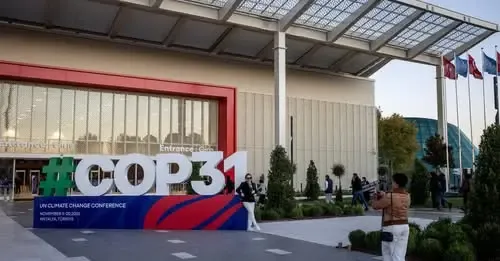
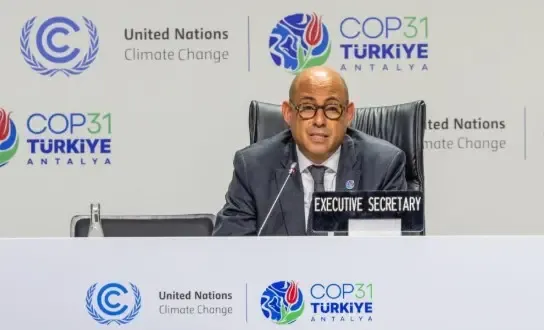
UN Climate Change Executive Secretary Simon Stiell urged COP31 negotiators on 15 November to 'move swiftly to the hardest issues and to avoid tactical delays.' COP31 is being held in Antalya, Turkey and runs through 20 November 2025 , with a focus on shifting from climate pledges to implementation.
UN Secretary-General António Guterres described the global climate finance system as marked by 'structural injustice,' warning that even tripling adaptation finance would cover less than 30% of what developing nations need.
Key agenda items include scaling up climate finance , strengthening adaptation , and accelerating the clean energy transition .
Stiell called for connecting climate solutions to everyday concerns — health, jobs, affordable energy, and even sports — to build broader public engagement.
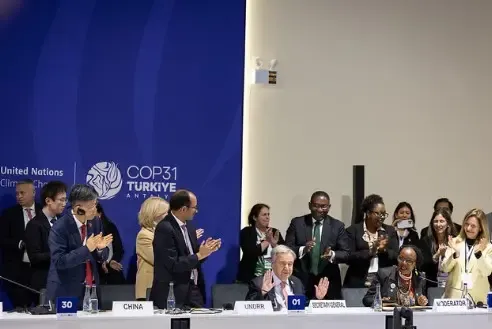
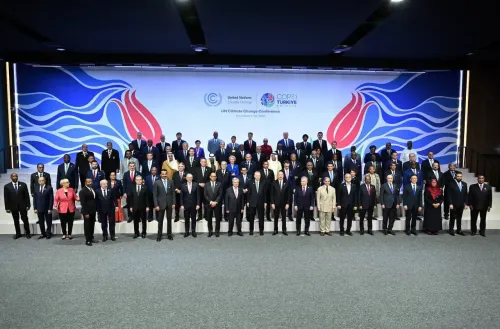
UN Climate Change Executive Secretary Simon Stiell on Saturday, 15 November 2025 urged negotiators at the 31st UN Climate Change Conference (COP31) in Antalya, Turkey to accelerate progress, warning against 'tactical delays' as the two-week summit crossed its halfway mark. The conference, which runs through 20 November, is focused on converting climate pledges into concrete action — particularly on financing for developing nations.
Stiell's Midpoint Warning
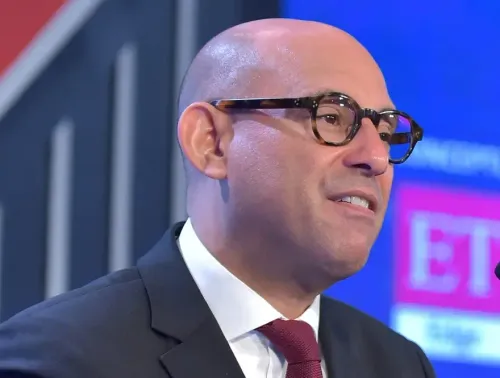
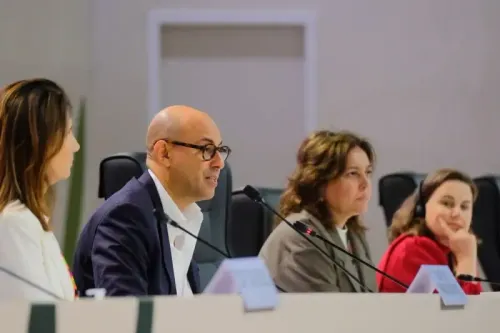
'Getting agreement on every word, every sentence, is tough but vital work. There is no collective success without compromise from every Party,' Stiell told reporters at a press briefing in the Turkish coastal city. He called on delegations to 'move swiftly to the hardest issues and to avoid tactical delays,' signalling growing concern that negotiations could stall in the second week.
Stiell also emphasised that the summit's practical climate initiatives were gaining momentum, seeking to bridge international agreements and the real economy through clean energy, resilient infrastructure, greener industry, and disaster resilience. He notably broadened the conversation beyond policy corridors, arguing that the climate fight must reach 'billions of people in their everyday lives through areas such as sports, entertainment, and culture.'
'We need to get better at connecting climate impacts and solutions to the things people need — like better health, good jobs, and affordable, secure energy — and with the things they love — like sports,' he said.
Guterres Calls Out 'Structural Injustice' in Climate Finance
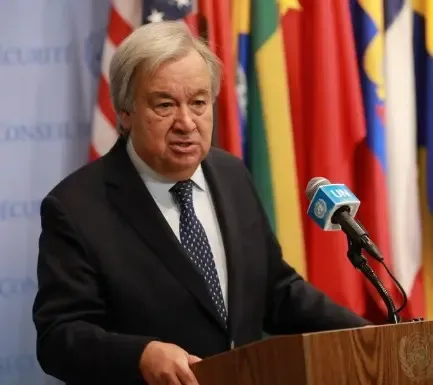
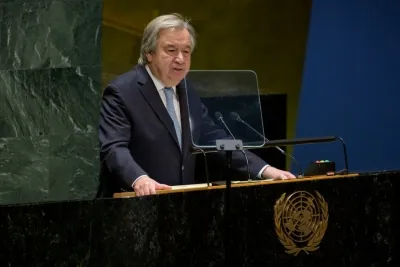
A day earlier, on Friday, 14 November, UN Secretary-General António Guterres delivered a pointed rebuke of the global climate finance architecture, describing it as marked by 'structural injustice.' Speaking at a press conference at COP31, Guterres highlighted the vast funding gap facing vulnerable nations.
'Developing countries, particularly the most vulnerable, will need far greater support for adaptation and for loss and damage,' he said. 'Even tripling adaptation finance would meet less than 30 per cent of what is needed.'
Guterres took aim squarely at wealthier polluters: 'Those that pollute more have not created the conditions to gather the resources that are necessary to adequately respond to the needs of those that suffer.' He also called for more effective deployment of existing financial resources to expand climate action funding.
What COP31 Is Trying to Achieve
COP31, which opened on Monday, 11 November in Antalya, marks a pivotal attempt to shift the global climate conversation from ambition to implementation. Central to its agenda are three interlinked priorities: scaling up climate finance for developing countries, strengthening adaptation measures, and accelerating the clean energy transition.
The conference comes amid mounting scientific consensus that existing national commitments are insufficient to hold global warming to 1.5°C, and against a backdrop of increasingly severe extreme weather events across Asia, Africa, and Latin America. Notably, the pressure on developed countries has never been greater — the finance debate at this year's summit is widely seen as the make-or-break issue.
What the Second Week Holds
With negotiators entering the more contentious second half of the summit, the coming days are expected to surface deep divisions on how much developed nations commit to climate finance and on what terms. Industry observers and climate advocates are watching whether the momentum Stiell cited will translate into binding commitments before the 20 November deadline. A failure to reach consensus on finance could cast a shadow over COP31's legacy and delay action on the ground in the most vulnerable countries.
Point of View
By its own reckoning, behind schedule. The real friction is the same as it has been since Paris: who pays, how much, and on what terms. Guterres's 'structural injustice' framing is notably sharper than the language of previous summits, suggesting the UN is losing patience with incremental pledges. The statistic that even tripling adaptation finance meets less than 30% of need is a devastating data point that tends to get lost in the procedural noise — if COP31 cannot land a credible finance commitment in its second week, the credibility of the entire UNFCCC process faces a harder question than any single communiqué.
NationPress
15 Nov 2026
Frequently Asked Questions
What is COP31 and where is it being held?
COP31 is the 31st United Nations Climate Change Conference, being held in Antalya, Turkey from 11 to 20 November 2025. It aims to accelerate the shift from climate pledges to concrete implementation, with a particular focus on climate finance for developing nations.
What did UN climate chief Simon Stiell say at the midpoint of COP31?
Stiell urged negotiators to 'move swiftly to the hardest issues and to avoid tactical delays' as COP31 reached its halfway point on 15 November. He said compromise from every party was essential and highlighted growing momentum on practical climate initiatives including clean energy and disaster resilience.
Why did António Guterres call the climate finance system 'structurally unjust'?
Guterres argued that developed countries — which are responsible for the bulk of historical emissions — have not mobilised resources sufficient to help the most vulnerable nations cope with climate impacts. He noted that even tripling adaptation finance would meet less than 30% of what developing countries actually need.
What are the main issues on the COP31 agenda?
The three core priorities at COP31 are scaling up climate finance for developing countries, strengthening adaptation to climate impacts, and speeding up the clean energy transition. The finance debate — how much wealthy nations commit and on what terms — is widely regarded as the central make-or-break issue of the summit.
When does COP31 conclude and what happens next?
COP31 runs until 20 November 2025 in Antalya. The second week is expected to surface the sharpest disagreements on finance and adaptation commitments, with negotiators under pressure to reach consensus before the deadline. Any agreements reached will shape national climate action plans and international funding flows in the years ahead.