COP31: UN chief slams 'structural injustice' in climate finance for developing nations
Synopsis
At COP31 in Antalya, UN Secretary-General Guterres called the global climate finance system 'structurally unjust' and warned that even tripling adaptation funding would cover less than 30% of what vulnerable nations need — sharpening the central fault line of the entire conference.
Key Takeaways
UN Secretary-General António Guterres described global climate finance as marked by 'structural injustice' at COP31 in Antalya, Turkey .
He warned that tripling adaptation finance would still meet less than 30% of developing countries' actual needs.
Guterres argued that every $1 of public money channelled into development banks could mobilise $8–$10 in total financing.
He called on national and multilateral development banks to broaden their use of guarantees to unlock private-sector capital.
Climate finance is the central contested issue at COP31 , with developing nations pushing for binding commitments from wealthier economies.
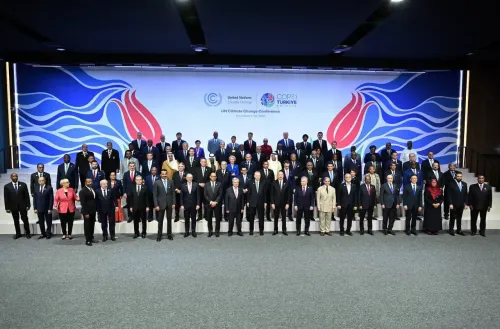
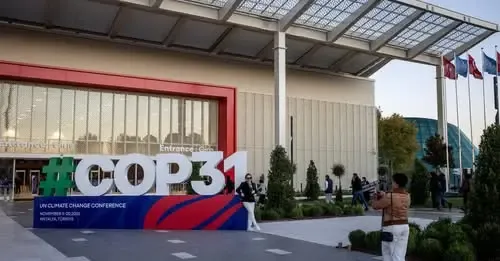
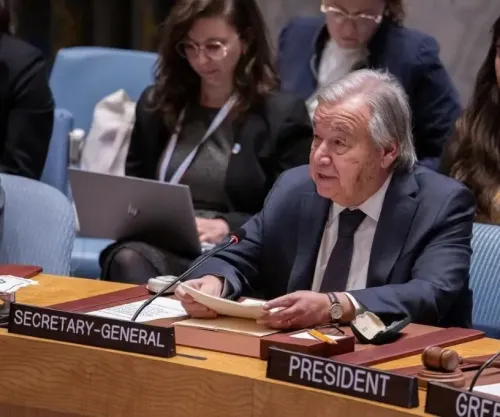
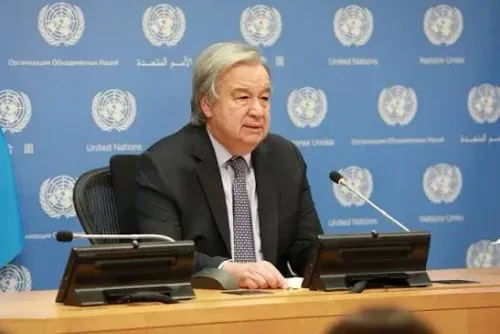
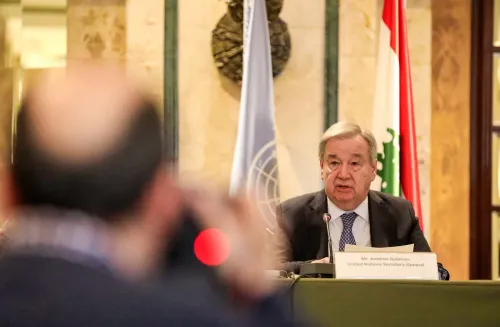
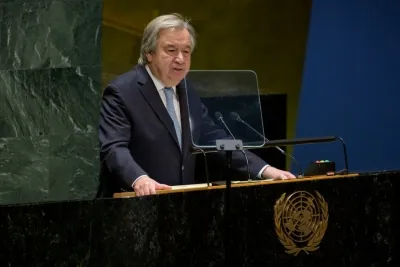
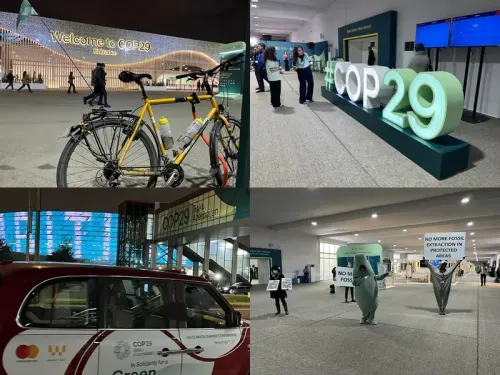
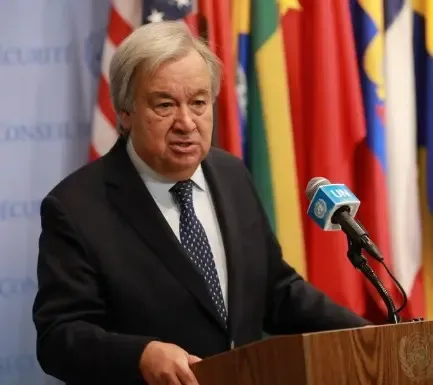
UN Secretary-General António Guterres on Friday called on developed nations to dramatically scale up climate financing for vulnerable developing countries, declaring the current global climate finance system riddled with 'structural injustice.' His remarks came at a press conference during the 31st United Nations Climate Change Conference (COP31), held in the Turkish coastal city of Antalya.
The Funding Gap Guterres Flagged
Guterres painted a stark picture of the mismatch between commitments and actual need. 'Developing countries, particularly the most vulnerable, will need far greater support for adaptation and for loss and damage,' he said. 'Even tripling adaptation finance would meet less than 30 per cent of what is needed.'
The UN chief did not mince words on who bears responsibility. 'Those that pollute more have not created the conditions to gather the resources that are necessary to adequately respond to the needs of those that suffer,' he said, drawing a direct line between historical emissions and the obligation to fund climate resilience.
Making Every Dollar Work Harder
Beyond calling for larger contributions, Guterres urged a smarter deployment of the funds that already exist. He argued that channelling public money into the capital of multilateral or national development banks could act as a force multiplier — with every $1 of initial public investment potentially unlocking $8 to $10 in total financing. He also pressed national and multilateral development banks to expand their use of guarantees as a tool to draw in private-sector capital at scale.
Climate Finance at the Heart of COP31
Climate finance has emerged as the defining fault line at COP31. Developing nations arrived in Antalya demanding concrete, legally binding commitments — not aspirational pledges — from wealthier economies that have industrialised over decades at the planet's expense. The negotiations reflect a broader tension that has dogged every COP since the Paris Agreement: who pays, how much, and through what mechanisms.
Notably, the $100 billion per year climate finance target that developed countries pledged for 2020 was met only in 2022, two years late, and critics argue that much of that figure was counted through loans rather than grants — adding debt burdens to already-stressed economies. This context gives Guterres's 'structural injustice' framing particular weight at COP31.
What Happens Next
Negotiators at COP31 are working toward a new collective quantified goal on climate finance to replace the outdated $100 billion benchmark. The outcome of these talks will determine whether Guterres's call translates into enforceable commitments or remains another aspirational statement in a long line of them. All eyes are now on how developed-country blocs — particularly the European Union and the United States — respond to the pressure mounted in Antalya.
Point of View
And much of it arrived as loans, not grants, adding fiscal strain to countries already on the climate frontline. The force-multiplier argument for development banks is legitimate, but it has been made at previous COPs without producing the institutional reform needed to operationalise it. Until developed countries agree to a new, legally binding finance target with transparent accounting, the gap between Antalya's rhetoric and the adaptation funding that arrives in Dhaka or Nairobi will remain as wide as ever.
NationPress
14 Nov 2026
Frequently Asked Questions
What did UN Secretary-General Guterres say at COP31 about climate finance?
Guterres called the global climate finance system 'structurally unjust' and urged developed nations to substantially increase funding for adaptation and loss and damage in vulnerable developing countries. He warned that even tripling current adaptation finance would cover less than 30% of what is actually needed.
What is COP31 and where is it being held?
COP31 is the 31st United Nations Climate Change Conference, taking place in the Turkish coastal city of Antalya. It is the principal global forum where nations negotiate binding and voluntary commitments on emissions reductions, climate finance, and adaptation.
How did Guterres propose to multiply climate funding?
Guterres recommended channelling public money into the capital of multilateral and national development banks, arguing that an initial investment of $1 could mobilise $8 to $10 in total financing. He also urged these banks to expand their use of guarantees to attract private-sector capital.
Why is climate finance such a contentious issue at COP31?
Developing countries argue that wealthier, historically high-emitting nations have not fulfilled their financial obligations and that existing commitments fall far short of real adaptation needs. The $100 billion-per-year pledge made by developed countries was met only in 2022 — two years late — and critics say much of it was counted through loans rather than outright grants.
What outcome are negotiators seeking at COP31 on climate finance?
Negotiators are working toward a new collective quantified goal on climate finance to replace the outdated $100 billion benchmark. The goal is to agree on a larger, more binding target with clearer accounting rules, though significant gaps remain between developed and developing country positions.