India slams Pakistan's PoJK elections as 'cosmetic' cover for illegal occupation
Synopsis
As Pakistan staged assembly elections in PoJK, India called it a 'cosmetic exercise' to hide illegal occupation — and the ground reality backed that charge. At least 20 protesters were killed in a JAAC Long March crackdown, social media videos showed security forces firing on civilians, and coalition partners accused each other of rigging. Far from projecting normalcy, the elections have exposed the depth of PoJK's political and humanitarian crisis.
Key Takeaways
India on 28 July condemned Pakistan's assembly elections in PoJK as a 'cosmetic electoral exercise' to conceal illegal occupation.
MEA spokesperson Randhir Jaiswal reaffirmed that Jammu, Kashmir and Ladakh — including Pakistan-held areas — are integral parts of India.
At least 20 people were killed during the JAAC Long March amid a Pakistani security crackdown on protesters in PoJK.
The first phase of polling was marred by violent clashes , allegations of electoral rigging , and the killing of political workers.
The JAAC confirmed deaths on X , noting one victim was unidentified and had sustained a bullet wound to the head at Palandri Hospital .
India linked the unrest directly to Pakistan's economic exploitation , denial of fundamental rights, and administrative oppression in the region.
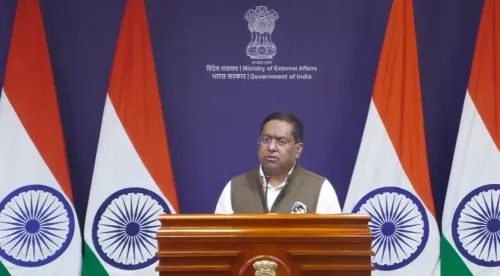
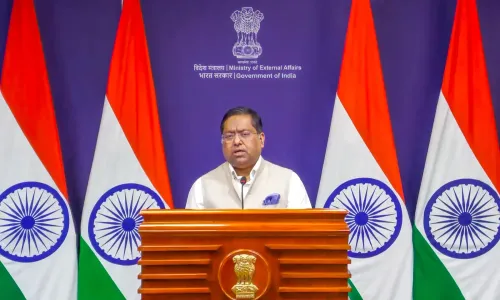
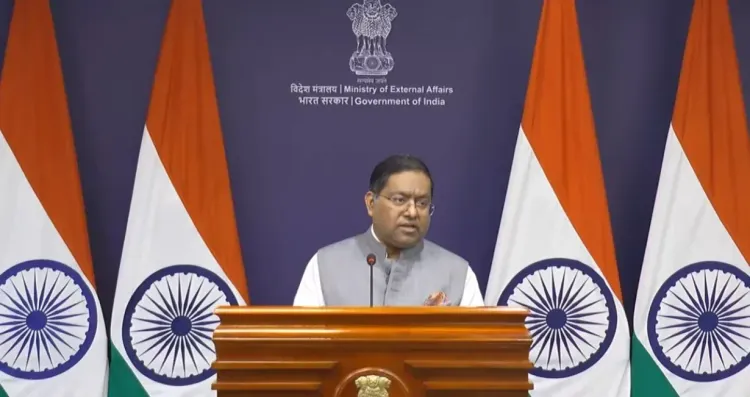
India on Tuesday, 28 July sharply condemned Pakistan for holding what it called 'so-called' assembly elections in Pakistan-occupied Jammu and Kashmir (PoJK), describing the exercise as a deliberate attempt by Islamabad to mask its illegal occupation of the region and conceal widespread human rights abuses. The rebuke came from the Ministry of External Affairs (MEA) at a bi-weekly press briefing in New Delhi.
India's Official Position
MEA spokesperson Randhir Jaiswal reiterated India's long-standing stance unequivocally: 'The entire union territories of Jammu, Kashmir and Ladakh, including the areas currently under illegal occupation and forcible occupation of Pakistan, are integral and inalienable parts of India.'
Jaiswal added: 'The current cosmetic electoral exercise is nothing but an attempt by Pakistan to camouflage its illegal occupation and hide its grave human rights violations in the region.' India's position on PoJK, he stressed, has remained 'clear, consistent and well-known.'
Violence and Rigging Mar First Phase of Polling
The elections in PoJK have been overshadowed from the outset by reports of violent clashes, allegations of electoral rigging, and the killing of political workers during the first phase of polling, according to local media. Coalition partners in the region have reportedly accused each other of undermining the electoral process, casting serious doubt on the credibility of the exercise.
Long March Crackdown: At Least 20 Dead
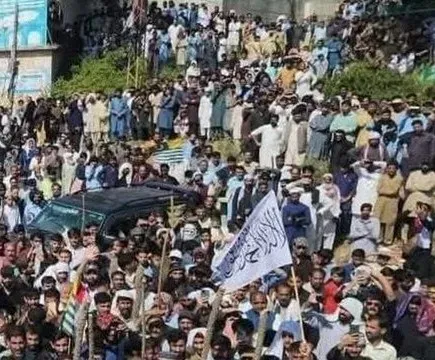
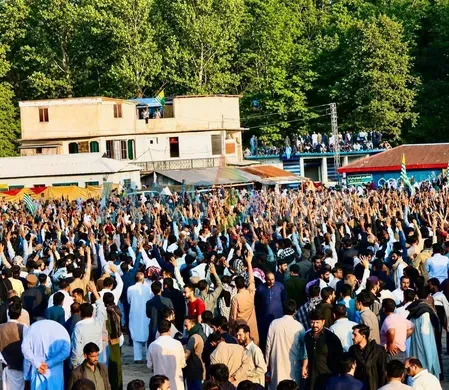
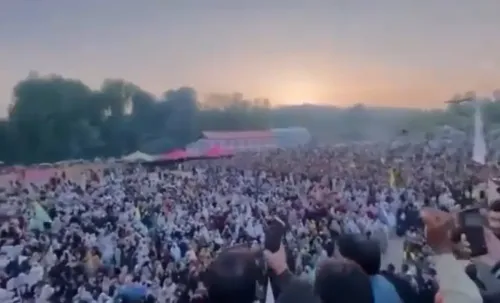
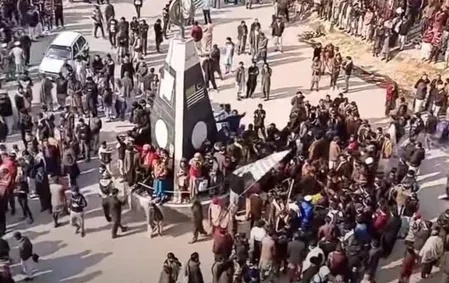
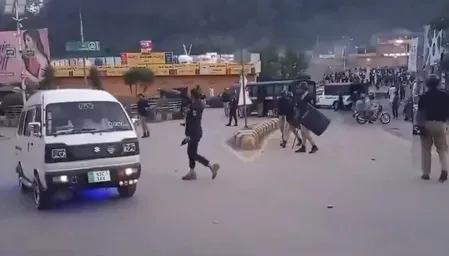
The elections are taking place against a backdrop of escalating unrest. At least 20 people have been killed and dozens critically injured during the Long March organised by the Joint Awami Action Committee (JAAC) in PoJK, as Pakistani authorities intensified a crackdown on protesters. Videos circulating on social media purportedly show Pakistani security personnel firing on civilians.
The JAAC posted on X: 'The Long March caravans have reached Rawalakot city. According to information received so far, the identities of 19 deceased individuals have been confirmed, while one person did not have identification documents and sustained a bullet wound to the head; his body is present at the Palandri Hospital. Thus, the total deaths have reached at least 20.' The organisation added that further details were contingent on daylight and the restoration of communications.
The march was called after talks between the JAAC and Pakistani authorities reportedly failed to reach a mutually acceptable outcome, prompting renewed public mobilisation.
Root Causes: Economic Exploitation and Rights Denial
Jaiswal directly linked the ongoing protests to Pakistan's conduct in the region, stating: 'The ongoing mass protests in the Pakistan-occupied Jammu and Kashmir are the direct consequences of its economic exploitation, its denial of fundamental rights to the people and their administrative oppression.'
This comes amid a sustained pattern of civil unrest in PoJK, where residents have repeatedly taken to the streets over issues ranging from electricity tariffs and wheat flour prices to the absence of constitutional protections. India's condemnation of Tuesday's elections is consistent with its position across successive governments — that any electoral or administrative act by Pakistan in PoJK carries no legal validity.
What Comes Next
New Delhi is unlikely to alter its diplomatic posture regardless of the election outcome in PoJK. The international community will be watching whether the reported violence and rigging allegations prompt any response from bodies such as the United Nations Human Rights Council. For the people of PoJK, the immediate concern remains the safety of protesters and the restoration of communications reportedly disrupted during the crackdown.
Point of View
Videos of security forces firing on civilians, and coalition partners accusing each other of rigging: this is not the image of a functioning democratic process. Pakistan's decision to hold elections in PoJK while simultaneously cracking down on protesters is a contradiction that the international community has largely chosen to overlook. New Delhi's condemnation, however consistent, risks being absorbed as routine rhetoric unless it is paired with a sharper push at multilateral forums where PoJK's human rights situation remains chronically under-examined.
NationPress
28 Jul 2026
Frequently Asked Questions
Why did India condemn Pakistan's elections in PoJK?
India condemned the elections as a 'cosmetic electoral exercise' designed to camouflage Pakistan's illegal occupation of Pakistan-occupied Jammu and Kashmir (PoJK) and conceal grave human rights violations in the region. MEA spokesperson Randhir Jaiswal reiterated that the entire territories of Jammu, Kashmir, and Ladakh — including areas under Pakistani occupation — are integral and inalienable parts of India.
What is the JAAC Long March and why did it turn violent?
The Long March was organised by the Joint Awami Action Committee (JAAC), a civil society coalition in PoJK, after talks with Pakistani authorities reportedly failed to produce an acceptable outcome. Pakistani security forces cracked down on the marchers, killing at least 20 people and critically injuring dozens, with videos on social media purportedly showing personnel firing on civilians.
How many people have been killed in the PoJK protests?
At least 20 people have been killed, according to the JAAC, which confirmed the toll in a post on X. The organisation noted that 19 identities had been confirmed, while one victim was unidentified and had sustained a bullet wound to the head, with his body at Palandri Hospital.
What is India's official position on Pakistan-occupied Jammu and Kashmir?
India's position is that the entire union territories of Jammu, Kashmir, and Ladakh — including areas currently under Pakistani occupation — are integral and inalienable parts of India. This stance has remained consistent across successive governments and was reaffirmed by MEA spokesperson Randhir Jaiswal on 28 July.
What problems affected the first phase of PoJK elections?
The first phase of polling in PoJK was marred by violent clashes, allegations of electoral rigging, and the killing of political workers. Coalition partners reportedly accused each other of undermining the electoral process, according to local media reports.