US Senator Tom Cotton urges DOJ probe into China-linked AI influence campaign
Synopsis
Republican Senator Tom Cotton has formally asked the Justice Department to investigate an alleged CCP-linked network that, he claims, has funnelled over $2 billion into US advocacy groups to stall American AI data-centre development — all while China accelerates its own AI ambitions at home. The letter names a Shanghai-based American expatriate and flags two Chinese government affiliates who reportedly appeared at a Senate AI panel hosted by Bernie Sanders.
Key Takeaways
Senator Tom Cotton wrote to Acting Attorney General Todd Blanche on 11 June requesting a DOJ investigation into foreign influence targeting US AI infrastructure.
Cotton alleges a CCP -linked network, reportedly funded through Neville Roy Singham , has produced content opposing American data-centre development.
Foreign-funded organisations allegedly directed more than $2 billion to US advocacy groups involved in opposing data-centre projects.
No entity in the alleged network has been charged under the Foreign Agents Registration Act (FARA) , despite ongoing congressional review.
Cotton flagged a Senate AI panel hosted by Senator Bernie Sanders where two of four panellists were allegedly Chinese government affiliates, including a Tsinghua University professor.
The Justice Department had not commented on the request at the time of reporting.
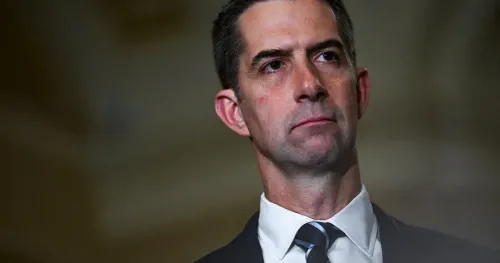
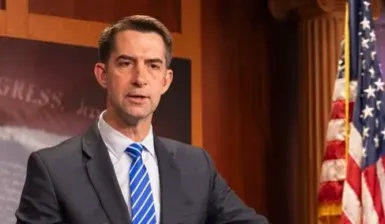
Republican Senator Tom Cotton has formally urged the Justice Department to investigate what he described as a coordinated foreign influence campaign — allegedly linked to the Chinese Communist Party (CCP) — aimed at undermining the expansion of American AI infrastructure, particularly data-centre development. The call came via a letter addressed to Acting Attorney General Todd Blanche on Wednesday, 11 June.
What Cotton Alleges
In his letter, the Arkansas senator asserted that a network of foreign actors, led by the CCP, is actively working to manipulate US policy and public opinion on data centres — facilities that are increasingly regarded as critical infrastructure in the global artificial intelligence race. Cotton argued that America's AI advantage is central to its economic strength, diplomacy, national security, and military power.
He specifically pointed to a network of US-based non-profit organisations allegedly funded by Neville Roy Singham, described in the letter as 'a Shanghai-based American expatriate under US-government scrutiny for his ties to the Chinese Communists.' According to Cotton, this network has for years produced content opposing American AI infrastructure development, even as China aggressively promotes its own technological ambitions domestically.
The $2 Billion Allegation
Cotton further alleged that foreign-funded charitable organisations connected to the campaign have channelled more than $2 billion to US advocacy groups — including organisations involved in opposing data-centre projects and in lobbying policymakers. He noted that, despite these alleged activities, no entity in the network has yet been charged under the Foreign Agents Registration Act (FARA).
'Several of these matters are already under congressional review. Yet no entity in the network has been charged under FARA,' Cotton wrote, calling on the Department of Justice (DOJ) to launch a full investigation.
The Sanders Panel Reference
The letter also drew attention to a recent Senate event on artificial intelligence hosted by Senator Bernie Sanders. Cotton alleged that two of the four panellists at the 75-minute forum on 'the existential threat of AI' were Chinese government affiliates, including, as he put it, 'a professor from Tsinghua University, a crown jewel of China's Military-Civil Fusion strategy and a host to multiple defence research laboratories.'
Balancing Community Concerns
Cotton acknowledged that American communities have legitimate grievances about the rapid proliferation of data centres, including their impact on energy consumption and natural resources. 'Americans certainly have valid concerns about potential rising energy costs and strains on natural resources related to data centres, and we should implement common-sense regulations and legislation to protect communities from adverse effects,' he wrote.
However, he drew a clear line between domestic policy debate and foreign interference: 'But we can't allow any effort by foreign adversaries to extort these fears and undermine our technological development.'
Broader US-China AI Rivalry
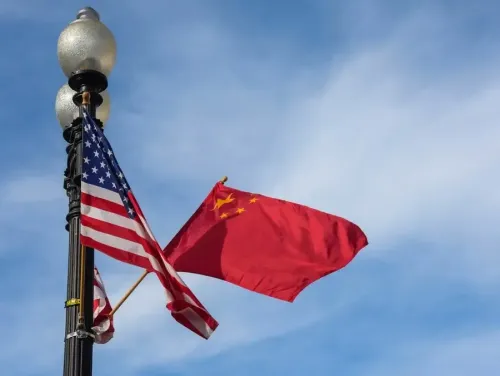
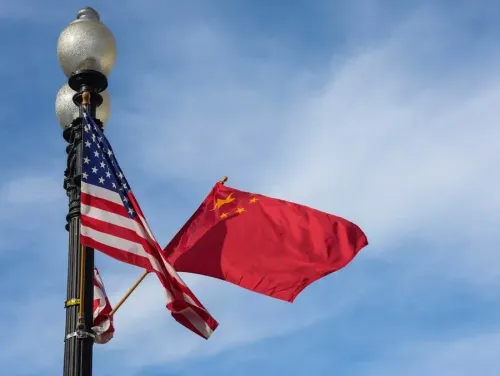
The letter arrives against the backdrop of an intensifying US-China competition over artificial intelligence, advanced computing, and semiconductor technologies — sectors both nations view as strategically decisive for economic growth and military capability. The Justice Department did not immediately respond to Cotton's request, according to reports. How the DOJ responds — and whether a formal investigation is opened — will be closely watched by both the tech industry and national security observers.
Point of View
A framing that could chill legitimate environmental and community advocacy. The $2 billion figure is striking but unverified in the letter itself; attributing it to foreign direction without a formal FARA charge is an allegation, not a finding. That no entity has been charged despite years of alleged activity raises a genuine question: is this a prosecutorial gap, or does the evidence not yet meet the legal threshold? The Sanders panel reference is the sharpest edge — if Chinese government affiliates are routinely appearing at congressional forums without disclosure, that is a real governance failure, regardless of whether a broader influence campaign exists.
NationPress
26 Oct 2026
Frequently Asked Questions
What is Senator Tom Cotton asking the DOJ to investigate?
Cotton is requesting a full Justice Department investigation into an alleged foreign influence campaign, linked to the Chinese Communist Party, that he claims is working to obstruct American AI data-centre development. He argues the campaign operates through US-based non-profits and advocacy groups and has not been prosecuted under existing foreign-agent laws.
Who is Neville Roy Singham and why is he named in the letter?
Neville Roy Singham is described in Cotton's letter as a Shanghai-based American expatriate under US-government scrutiny for alleged ties to the Chinese Communist Party. Cotton alleges that Singham funds a network of US non-profits that produce content opposing American AI infrastructure while China promotes its own technology agenda at home.
What is the Foreign Agents Registration Act (FARA) and why does it matter here?
FARA requires individuals and organisations acting on behalf of foreign governments or principals to register with the Justice Department and disclose their activities. Cotton's letter notes that despite congressional review of the alleged network, no entity connected to it has been charged under FARA — which he cites as justification for a formal DOJ investigation.
What was the Senate AI panel that Cotton referenced?
Cotton referred to a 75-minute Senate forum on 'the existential threat of AI' hosted by Senator Bernie Sanders, at which he alleged two of the four panellists were Chinese government affiliates, including a professor from Tsinghua University. Cotton described Tsinghua as central to China's Military-Civil Fusion strategy.
How does this fit into the broader US-China technology rivalry?
The United States and China are engaged in an intensifying competition over artificial intelligence, semiconductors, and advanced computing. Both governments view AI as strategically critical for economic growth, military capability, and national security. Cotton's letter reflects growing congressional concern that domestic policy debates on AI infrastructure may be susceptible to foreign manipulation.