China fuelling US AI data centre backlash, says Republican Senator Tim Scott
Synopsis
A senior Republican senator has levelled an extraordinary accusation: that China is actively stoking grassroots opposition to AI data centres in the United States. With no evidence offered but the charge landing in the middle of midterm campaigns — and a bipartisan backlash already underway from Texas to Pennsylvania — the politics of American AI infrastructure just got significantly more combustible.
Key Takeaways
Senator Tim Scott accused China of running a disinformation campaign to fuel opposition to US AI data centres , speaking on 23 August .
Scott offered no evidence for the allegation during his NBC News interview.
Texas Governor Greg Abbott has paused new data-centre approvals pending a review of power, water, and community impact.
Texas has more than 300 operating data centres and at least 200 projects in development, according to reports.
President Donald Trump has opposed the Texas pause, calling data centres potentially ‘bigger than oil.’ The controversy is influencing Senate races in Ohio , Michigan , and Pennsylvania .
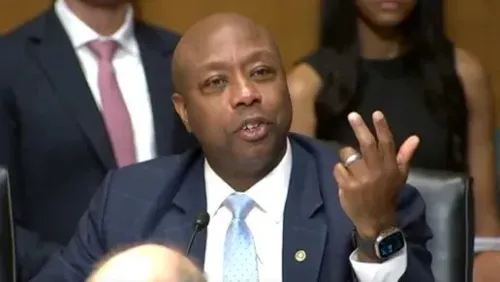
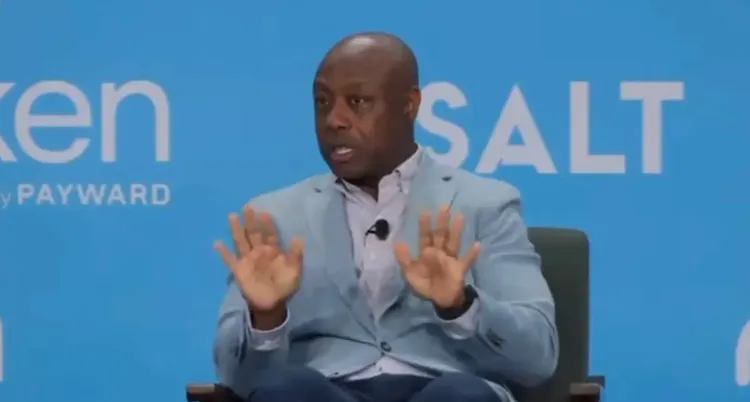
Republican Senator Tim Scott of South Carolina has accused China of orchestrating opposition to artificial intelligence (AI) data centres across the United States, alleging that Beijing is exploiting American communities' concerns over electricity and water consumption to undermine US computing infrastructure. The senator made the claims during an appearance on NBC News' Meet the Press on 23 August, though he offered no supporting evidence for the allegation.
What Senator Scott Alleged
“Democrats are being used as pawns for this disinformation campaign run by China to make sure that China wins the AI future instead of America,” Scott said on the programme. He argued that data centres are critical to the United States' ability to compete with China in the global AI race, even as he acknowledged that such facilities should be built only in communities that actively welcome them.
“We absolutely have to make sure that data centres only go to communities that want them and they pay their own way,” Scott added, calling on operators to bear the full cost of electricity and water rather than passing those expenses to local consumers.
Grassroots Opposition Cuts Across Party Lines
Community resistance to large data-centre projects has become a live issue in US midterm campaigns, with residents in several states protesting facilities they fear could raise utility bills, consume scarce water resources, and damage farmland. Notably, the pushback is bipartisan. Texas Governor Greg Abbott has paused new data-centre approvals while the state evaluates their impact on power grids, water supplies, and local communities.
Abbott has stipulated that operators must disclose water requirements, avoid drawing electricity away from residents, and demonstrate that their facilities would ultimately reduce consumer power costs. “Gaining the support of people in local communities is essential,” Abbott told ABC News. According to an ABC News analysis, Texas currently hosts more than 300 operating data centres with at least 200 additional projects in development.
Trump Pushes Back on Texas Pause
President Donald Trump has publicly opposed the Texas moratorium, warning that rejecting data-centre investment would be a mistake because the sector “could be bigger than oil.” His position places him at odds with the Republican governor of the state his party has long dominated.
Senate Races Drawn Into the Debate
The controversy is already shaping competitive Senate contests. A private Republican memo reportedly described data centres as “the anchor hanging around” an Ohio senator’s campaign due to his history of backing such projects. In Michigan, a Republican Senate candidate has endorsed a one-year moratorium on new facilities. Opposition has also surfaced in Pennsylvania, where Democratic Governor Josh Shapiro had previously courted data-centre investment, complicating his political positioning.
The Broader US-China Tech Contest
The domestic debate unfolds against a sharper geopolitical backdrop: the United States and China are locked in a contest for leadership in AI, advanced semiconductors, and the computing infrastructure required to train large-scale models. Washington has already restricted China’s access to certain advanced chips and semiconductor manufacturing technology. Critics argue that any slowdown in US data-centre expansion could hand Beijing a structural advantage in that race — a concern Scott’s remarks sought to amplify, even if the evidence for coordinated Chinese interference remains unsubstantiated.
With billions of dollars in technology investment at stake and midterm campaigns heating up, the question of where — and whether — to build America’s AI infrastructure is set to remain a defining political fault line in the months ahead.
Point of View
Not manufactured in Beijing. The more consequential story here is that the United States has no coherent federal framework for siting AI infrastructure, leaving the world’s most strategically important buildout to be decided by a patchwork of midterm politics and local zoning fights.
NationPress
9 Oct 2026
Frequently Asked Questions
What did Senator Tim Scott accuse China of doing?
Senator Tim Scott accused China of running a disinformation campaign to fuel opposition to AI data centres in the United States, claiming Beijing wants to slow US computing expansion and win the global AI race. He made the allegation on NBC News’ Meet the Press on 23 August but did not provide evidence.
Why are US communities opposing AI data centres?
Residents in several states are protesting data-centre projects over fears that the facilities will raise electricity bills, consume large volumes of water, and damage farmland. The concerns are local and practical, and opposition has emerged across both Republican and Democratic-leaning areas.
What action has Texas Governor Greg Abbott taken on data centres?
Governor Greg Abbott has paused new data-centre approvals in Texas while the state assesses their impact on the power grid, water supply, and local communities. He has also required operators to disclose water use and show that their facilities would reduce, not raise, consumer electricity costs.
How has President Trump responded to the Texas data centre pause?
President Donald Trump has opposed the Texas moratorium, arguing that rejecting data-centre investment would be a mistake and that the sector could be ‘bigger than oil.’ His position puts him at odds with Governor Abbott.
How does the data-centre dispute connect to US-China AI competition?
The United States and China are competing for dominance in AI, advanced semiconductors, and the computing infrastructure needed to train large AI models. Washington has restricted China’s access to certain advanced chips. Proponents of rapid data-centre expansion argue that any slowdown gives China a strategic advantage in that race.