US Senator Tom Cotton flags $6.8 bn China funds at American universities
Synopsis
Senator Tom Cotton's letter to the Education Secretary puts a number on what Washington has long suspected: over $6.8 billion in Chinese funds have flowed into American universities, with more than $300 million from sanctioned entities — and a $250,000 disclosure loophole may be hiding even more. Harvard alone reportedly received over $630 million.
Key Takeaways
Senator Tom Cotton wrote to Education Secretary Linda McMahon on 28 July urging greater scrutiny of Chinese financial ties with US universities.
Federally funded universities accepted more than $6.8 billion from Chinese entities as of 31 January , including over $300 million from sanctioned entities.
Harvard University alone reportedly received more than $630 million from Chinese entities, including funds linked to foreign talent programmes and alleged military advancements.
Current rules exempt transactions below $250,000 from a single foreign source per year from mandatory disclosure, a gap Cotton says allows millions to go unreported.
The letter did not accuse Harvard or any other institution of breaking US law, nor did it specify remedial steps for the department.
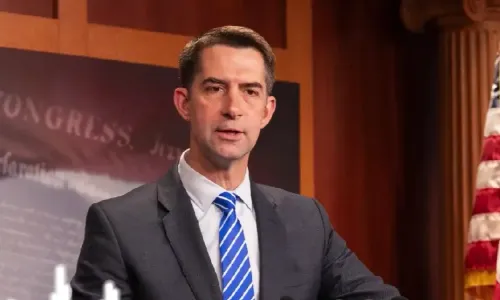
Republican Senator Tom Cotton of Arkansas has called on Education Secretary Linda McMahon to intensify scrutiny of Chinese financial ties with American universities, warning that undisclosed investments from sanctioned entities pose a direct threat to US innovation and national security. The request, made in a formal letter dated Monday, 28 July, comes as Washington increasingly treats academic funding as a front line in its rivalry with Beijing.
What Cotton's Letter Reveals
Citing data from an online transparency portal launched by the US Department of Education on 2 January, Cotton stated that federally funded universities had accepted more than $6.8 billion from Chinese entities as of 31 January. Of that total, more than $300 million reportedly came from sanctioned entities, according to his letter.
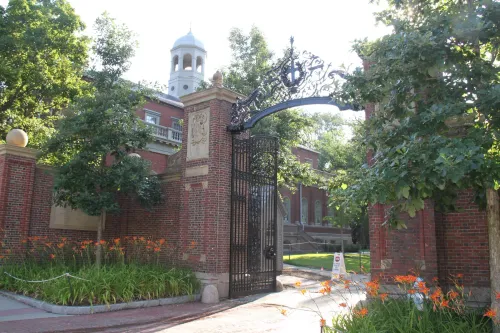
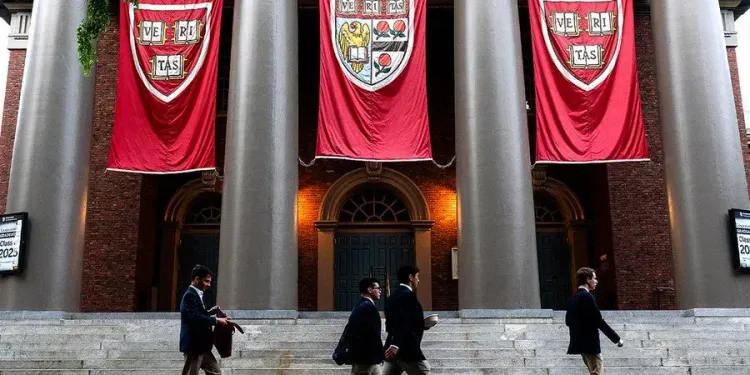
Harvard University was specifically named, with Cotton noting it had received more than $630 million from Chinese entities. That figure reportedly includes roughly $418,000 from organisations participating in foreign talent programmes and nearly $420,000 from entities allegedly linked to unauthorised military advancements.
The Disclosure Gap Cotton Wants Closed
At the heart of Cotton's concern is a structural loophole in federal reporting rules. Under current law, federally funded universities are not required to disclose transactions from a single foreign source that fall below $250,000 in a single year. The senator argued this threshold creates a blind spot through which millions in additional transactions with sanctioned Chinese entities may pass unreported.
'I remain concerned that millions in additional transactions with sanctioned Chinese entities may not have been reported,' Cotton wrote, urging 'additional scrutiny of financial ties between American universities and Communist China.'
What the Letter Does and Does Not Say
Notably, Cotton's letter did not name universities beyond Harvard, nor did it specify the concrete steps he wants the Education Department to take. Critically, it did not accuse Harvard or any other institution of violating US law. The senator did, however, acknowledge and praise the department's existing efforts to improve transparency, including enforcement action against universities that failed to comply with financial reporting requirements.
Broader Context: Academia as a National Security Battleground
Cotton's letter is the latest escalation in a sustained legislative push to treat foreign academic funding — particularly from China — as a national security matter. American universities receiving federal financial assistance have long been required to disclose certain foreign gifts and contracts above defined thresholds, rules designed to give policymakers and the public visibility into overseas funding flows.
This comes amid a broader pattern of bipartisan concern on Capitol Hill about Chinese influence in US research institutions, technology transfer, and access to advanced scientific knowledge. Lawmakers have previously scrutinised Confucius Institutes, joint research programmes, and talent recruitment schemes linked to the Chinese government. Cotton's intervention signals that financial transparency — not just research access — is now firmly in the crosshairs.
Whether the Education Department acts on the letter, and how, is expected to shape the next phase of federal oversight of university foreign funding.
Point of View
000 disclosure threshold was set in an era when China's academic engagement was a fraction of what it is today — it is structurally outdated. More striking is the $300 million-plus from sanctioned entities: if accurate, that is not a compliance gap, it is a compliance failure. Yet the letter's deliberate avoidance of any legal accusation against Harvard suggests Cotton is building a legislative record rather than a prosecutorial one. The real question mainstream coverage underplays is whether the Education Department's new transparency portal — launched just this January — has the analytical capacity to cross-reference disclosed donors against the Treasury's sanctions lists in real time. Without that infrastructure, more scrutiny letters will change little.
NationPress
26 Oct 2026
Frequently Asked Questions
Why is Senator Tom Cotton calling for scrutiny of Chinese university funding?
Cotton argues that undisclosed financial ties between American universities and sanctioned Chinese entities threaten US innovation and national security. His letter to the Education Secretary cites data showing over $6.8 billion in Chinese funds received by federally funded universities, including more than $300 million from sanctioned entities.
How much has Harvard University received from Chinese entities?
According to Cotton's letter, Harvard received more than $630 million from Chinese entities. This reportedly includes roughly $418,000 from organisations in foreign talent programmes and nearly $420,000 from entities allegedly linked to unauthorised military advancements. The letter did not accuse Harvard of breaking any law.
What is the disclosure loophole Cotton is concerned about?
Under current federal rules, universities are not required to disclose transactions from a single foreign source that are below $250,000 in a calendar year. Cotton warns this threshold allows millions in additional transactions with sanctioned Chinese entities to go unreported and unscrutinised.
What action has the Education Department already taken?
The US Department of Education launched an online transparency portal on 2 January that provides aggregate, institution-level data on foreign donations to American universities. It has also taken enforcement action against universities that failed to comply with existing financial reporting requirements — steps Cotton acknowledged and praised in his letter.
Does Cotton's letter accuse universities of breaking the law?
No. The letter explicitly does not accuse Harvard or any other institution of violating US law. It focuses on structural gaps in disclosure rules and calls for additional regulatory scrutiny rather than legal action.