Harvard put China ties over US security, Republican probe alleges
Synopsis
A Republican-led congressional probe has accused Harvard of choosing Chinese funding over US security — alleging military-linked research, a shadowy affiliate used to sidestep federal disclosure laws, and a programme potentially attended by a sanctioned Chinese paramilitary group. The 53-page report is one of the most sweeping congressional indictments of a US university's foreign ties to date.
Key Takeaways
A 53-page congressional report alleges Harvard University prioritised ties with China over US national security .
Harvard-affiliated researchers allegedly collaborated with institutions linked to China's defence research base, including in robotics .
Harvard's Chan School of Public Health organised a programme possibly attended by members of the Xinjiang Production and Construction Corps , sanctioned by the US Treasury .
Harvard Global , a non-profit affiliate, was allegedly used to route funding that the university itself could not legally accept.
Harvard removed a key description from the affiliate's website after receiving a draft of the report.
The report recommends Harvard centralise research security, overhaul vetting, and ban collaboration with entities on US sanctions or restricted lists.
A Republican-led congressional investigation has alleged that Harvard University prioritised financially rewarding ties with China over US national security, maintaining research partnerships with entities linked to Beijing's military apparatus and organisations accused of human rights abuses. The findings were published on 14 August in a 53-page report titled Compromised Independence: CCP Influence at Harvard University.
The Report and Its Origins
The document was jointly released by the House Select Committee on China and the House Education and Workforce Committee. According to the committees, the investigation involved a review of thousands of pages of Harvard and Chinese government documents, interviews with university personnel, and testimony from multiple witnesses. The breadth of the inquiry signals that this is among the most detailed congressional scrutinies of a US university's foreign research ties in recent years.
Key Allegations Against Harvard
The report alleged that Harvard-affiliated researchers collaborated with scholars at institutions connected to China's defence research and industrial base. Some of the joint research reportedly covered dual-use domains — areas with both civilian and military applications — including robotics.
Separately, Harvard's Chan School of Public Health was alleged to have organised an executive education programme that may have been attended by members of the Xinjiang Production and Construction Corps, a Chinese paramilitary organisation sanctioned by the US Treasury Department. The report itself acknowledged that the evidence on attendance was unclear, and the Harvard professor who organised the programme testified that she had not been informed of any requirement to vet participants.
The investigation also scrutinised Harvard Global, a non-profit affiliate of the university. The committees alleged it was structured to route funding in situations where the university itself could not accept a sponsor's terms for legal or financial reasons. Notably, Harvard removed a description of this arrangement from the affiliate's website after receiving a draft of the report — a move the committees highlighted as significant.
What the Committee Chairs Said
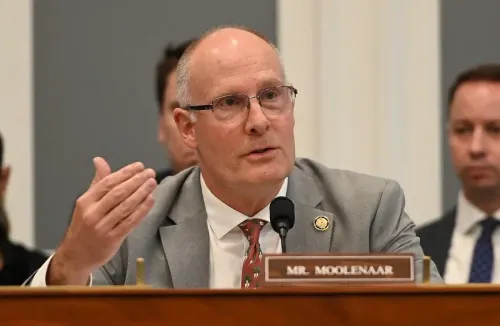
Select Committee Chairman John Moolenaar said: 'The American people expect our nation's leading universities to protect American research and innovation, and never advance the interests of our nation's adversaries. Right now, Harvard is failing to deliver on that expectation.'
He added: 'From allowing violence against anti-China protestors to collaborating with entities linked to the PLA, Harvard has made serious mistakes and must act now to prevent more.'
Education and Workforce Committee Chairman Tim Walberg alleged: 'Harvard created an entity in a blatant attempt to get around federal foreign funding disclosure laws. That's unacceptable, especially given Harvard's history of failing to comply with these requirements.'
What the Report Recommends
The report called on Harvard to centralise its research security operations, overhaul vetting procedures, hire officials with national security and export-control expertise, and prohibit collaboration with entities on US restricted or sanctions lists. The materials released by the committees did not include a fresh public response from Harvard to the final report.
Broader Context
This comes amid a sustained push by Washington to scrutinise Chinese influence at American academic institutions, a trend that has accelerated since the launch of the now-discontinued China Initiative by the Department of Justice. Harvard itself has faced prior scrutiny over foreign funding disclosures, making the latest allegations part of a longer pattern of congressional concern rather than an isolated incident. How the university responds — and whether federal funding consequences follow — will be closely watched.
Point of View
Which warrants scrutiny of its framing — but the underlying substance is harder to dismiss. The Harvard Global structure, if accurately described, raises legitimate questions about whether elite universities have built compliance workarounds that undermine the spirit of federal disclosure rules. The attendance ambiguity around the Xinjiang programme illustrates a broader institutional failure: universities with global reach have not built the vetting infrastructure their footprint demands. Congress has been raising these concerns for years; the real question is whether Harvard's response will be substantive reform or managed optics.
NationPress
28 Sept 2026
Frequently Asked Questions
What did the congressional report allege against Harvard?
The report alleged that Harvard prioritised lucrative ties with China over US national security, maintained research relationships with entities linked to Beijing's military, and used a non-profit affiliate to route funding it could not legally accept directly. The 53-page report was released jointly by the House Select Committee on China and the House Education and Workforce Committee.
What is Harvard Global and why is it under scrutiny?
Harvard Global is a non-profit affiliate of Harvard University. The committees alleged it was structured to channel funding in cases where the university itself could not accept a sponsor's conditions for legal or financial reasons — effectively acting as a workaround to federal foreign funding disclosure requirements.
What is the Xinjiang Production and Construction Corps connection?
The report alleged that a Harvard Chan School of Public Health executive education programme may have been attended by members of the Xinjiang Production and Construction Corps, a Chinese paramilitary organisation sanctioned by the US Treasury Department. The report acknowledged the attendance evidence was unclear, and the organising professor said she was not told to vet participants.
What does the report recommend Harvard do?
The report calls on Harvard to centralise its research security operations, overhaul vetting procedures, hire officials with national security and export-control expertise, and prohibit collaboration with any entity on US restricted or sanctions lists.
Has Harvard responded to the final report?
The materials released by the committees did not include a new public response from Harvard to the final report. However, Harvard did remove a description related to Harvard Global from the affiliate's website after receiving a draft of the report.