Senate Hearing Highlights Contributions of Indian Students Amid Foreign Influence Concerns
Synopsis
Indian students received accolades during a Senate hearing addressing foreign influence in U.S. universities. Lawmakers discussed the balance between national security and the economic contributions of these students, emphasizing the need for transparent foreign funding practices.
Key Takeaways
Indian students are the largest group of international students in the U.S.
The Senate hearing emphasized the need for transparency in foreign funding.
International students significantly contribute to the U.S. economy.
Concerns were raised about foreign countries exploiting U.S. universities.
Legislators are considering tighter disclosure requirements for foreign funding.
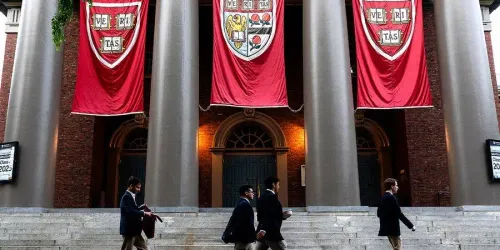
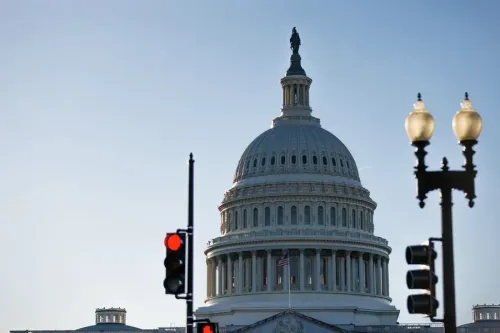
Washington, March 12 (NationPress) During a Senate hearing on foreign influence in American higher education, Indian students studying in the United States received commendations on Thursday, even as legislators expressed apprehensions regarding China's involvement in academic funding and research.
At the Senate Health, Education, Labor, and Pensions Committee hearing titled "Transparency and Trust: Uncovering Malign Foreign Influence in Higher Education," lawmakers scrutinized the implications of foreign monetary contributions and academic collaborations on national security.
Peter Wood, President of the National Association of Scholars, pointed out that Indian students represent the largest demographic of international scholars in the US and have not raised any security issues.
"The highest percentage of international students in the United States hails from India," Wood stated.
"To my knowledge, there have been no claims suggesting that Indian students pose a security threat when coming to the United States."
The primary focus of the hearing was concerns surrounding China's influence in American academic institutions.
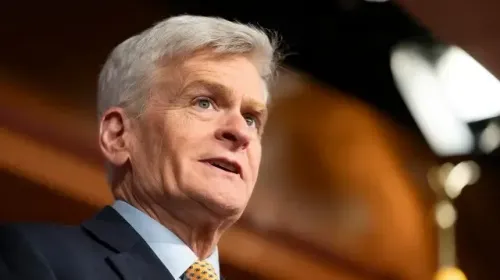
Senate Committee Chairman Bill Cassidy remarked that US universities are vital national assets, yet their openness could be misused.
"Our nation boasts the finest universities globally, where significant advancements in cancer research, artificial intelligence, military technology, biomedical engineering, and many more fields occur," Cassidy noted.
He also underscored the magnitude of foreign financial support flowing into US educational institutions.
"Last year, approximately $9.7 billion in foreign donations and contracts were reported," Cassidy revealed, adding, "This only reflects the funds that have been disclosed."
Craig Singleton, a senior fellow at the Foundation for Defense of Democracies, cautioned that foreign governments view American universities as strategic objectives.
"US universities serve as the cornerstone of the world's most vibrant research environment," Singleton declared.
"However, these strengths have rendered American universities appealing targets for exploitation by foreign adversaries, notably China."
Federal data presented during the hearing indicated that China has historically contributed around $6.8 billion in gifts and contracts to US universities.
Singleton further pointed out that governmental records reveal nearly $400 million in transactions with entities listed on US government watch lists or restricted entity lists.
"These include companies linked to export control violations, national security issues, and China's military-civil fusion initiative," he added.
Several senators emphasized the necessity of safeguarding sensitive research while remaining welcoming to international talent.
Senator Tim Kaine highlighted the substantial economic contributions of international students to the US economy.
"In the academic year 2023–24, international students injected approximately $44 billion into the American economy," Kaine stated.
He cautioned that policies perceived as unfriendly could deter skilled students from pursuing education in the United States.
"How do we strike a balance between ensuring security and maintaining the United States' position as a magnet for the world's brightest minds?" Kaine inquired.
Robert Daley of the Asia Society noted that collaboration between universities and government entities has enhanced oversight in recent years.
"American universities have responded to Washington's concerns, working diligently and at considerable expense to anticipate and mitigate the actions of potentially problematic countries," Daley elaborated.
Legislators are contemplating measures to tighten disclosure obligations for foreign funding under Section 117 of the Higher Education Act.
Point of View
It is evident that while there are legitimate concerns regarding foreign influence in U.S. higher education, the commendations for Indian students reflect their vital role in enriching the academic landscape. Striking a balance between safeguarding national security and fostering an inclusive environment for international scholars is essential for the continued advancement of U.S. universities.
NationPress
21 Sept 2026
Frequently Asked Questions
What was the main focus of the Senate hearing?
The Senate hearing primarily focused on foreign influence in U.S. universities, particularly concerning funding from countries like China.
How much did international students contribute to the U.S. economy?
International students contributed approximately $44 billion to the U.S. economy during the academic year 2023–24.
What concerns did lawmakers raise during the hearing?
Lawmakers raised concerns about the potential exploitation of U.S. universities by foreign adversaries, especially regarding national security.
What is Section 117 of the Higher Education Act?
Section 117 of the Higher Education Act pertains to the disclosure requirements for foreign funding received by U.S. educational institutions.
Who praised Indian students at the hearing?
Peter Wood, President of the National Association of Scholars, praised Indian students for not posing security risks and being the largest group of international students in the U.S.