US Lawmakers Alert on Chinese Influence in Universities
Synopsis
US lawmakers express concern over foreign threats, particularly from China, targeting American universities for espionage. This highlights the need for enhanced security while maintaining global collaboration in research.
Key Takeaways
Foreign threats to US universities are increasing, particularly from China.
Lawmakers stress the importance of protecting research without hindering global collaboration.
Universities are implementing stronger security measures to manage these threats.
Concerns arise over the treatment of international students amidst these issues.
Open academic systems are seen as both a strength and a vulnerability.
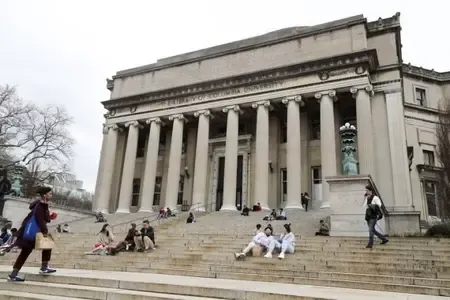
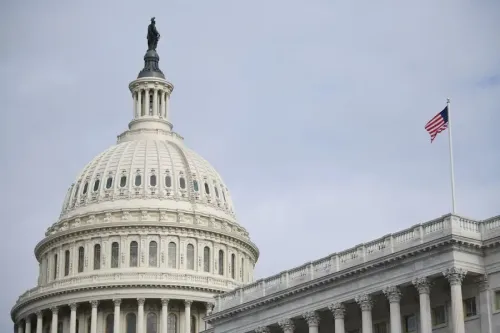
On March 27, in Washington (NationPress), US lawmakers raised alarms regarding foreign entities, particularly those associated with China, targeting American educational institutions for espionage and manipulation.
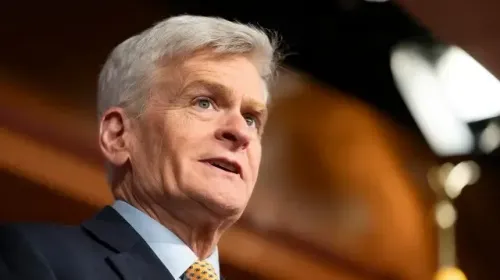
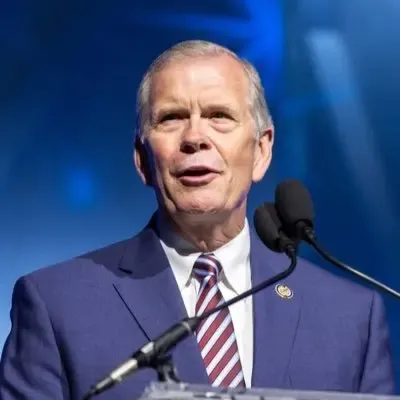
During a House committee session, Chairman Tim Walberg highlighted how adversaries are taking advantage of the open nature of academic systems.
“They are actively competing against our nation’s interests on the frontlines of our university campuses,” he stated.
He emphasized the necessity for the US to safeguard research while maintaining global cooperation.
University representatives acknowledged the authenticity of the threats but insisted they are manageable, citing improvements in safety protocols in recent years.
Domenico Grasso, president of the University of Michigan, noted that his institution has enhanced its security measures. “We are addressing the heightened threat with increased protection,” he affirmed.
He explained that the university has broadened background checks, bolstered data security, and intensified collaboration with federal authorities.
Grasso mentioned that several students involved in illegal activities were dismissed following law enforcement actions. He also confirmed the university’s decision to terminate a partnership with a Chinese institution deemed a security concern.
At the University of Florida, officials conveyed a similar strategy.
Cassandra Farley explained that the university conducts thorough screenings of research hires, evaluates foreign affiliations, and oversees international travel. She mentioned that federal agencies had cautioned about foreign talent programs linked to China. “UF safeguards that research enterprise from unwarranted foreign influence,” she stated.
Lawmakers were also informed about direct threats to students.
Elsa Johnson, a journalism student at Stanford, recounted being approached online by someone impersonating a fellow student, who subsequently pressured her to share research and visit China.
“The FBI verified he had no ties to Stanford and was likely acting on behalf of China’s Ministry of State Security,” she reported.
She added that she received intimidation calls and threats afterward, noting that the university’s response was slow and inadequate.
Republican lawmakers asserted that such occurrences highlight a significant national security concern.
Some Democrats disagreed, arguing that the threat is exaggerated and cautioning against discriminatory treatment of international students.
Representative Suzanne Bonamici stated that the focus should be on college costs and student debt, rather than “xenophobic” narratives.
Despite these challenges, US universities remain global frontrunners in research, attracting talent from across the globe.
However, lawmakers warned that this same openness could be exploited if protective measures fail.
Point of View
It is essential to present an unbiased perspective on the issue of foreign threats in universities. While the concerns raised by lawmakers are serious, it is crucial to balance national security with the values of open academic collaboration and diversity within educational institutions.
NationPress
20 Sept 2026
Frequently Asked Questions
What are the specific threats identified by US lawmakers?
Lawmakers have identified espionage and influence operations by foreign entities, particularly those linked to China, targeting American universities.
How are universities responding to these threats?
Universities are enhancing security measures, conducting thorough background checks, and increasing coordination with federal agencies to safeguard research and students.
What actions have been taken against students involved in unlawful activities?
Some students linked to illegal activities have been removed from universities following interventions by law enforcement.
What is the stance of lawmakers regarding international students?
While some lawmakers express concern about the threat posed by foreign influences, others caution against targeting international students and emphasize the need for a balanced approach.
Why is safeguarding research important?
Safeguarding research is crucial to protect national interests and maintain the integrity of academic institutions while fostering global collaboration.