Trump birthright citizenship curbs blocked by US federal court
Synopsis
After losing at the Supreme Court in June, Trump tried a narrower route: denying citizenship to children of surrogacy arrangements, foreign-government staff and 'alien enemy' parents. A federal court in Washington has now shut that door too, ruling the President cannot carve out new exceptions to birthright citizenship.
Key Takeaways
A federal court in Washington blocked Donald Trump's new birthright citizenship restrictions in Nathan v.
Trump , according to the ACLU .
The 6 August order targeted children of 'alien enemy' parents, certain foreign-government employees and parents in commercial childbirth arrangements, including paid surrogacy .
The court said the President “cannot carve out new exceptions to birthright citizenship.” The ACLU and partners filed the lawsuit on 28 September .
The ruling follows the Supreme Court's June decision rejecting Trump's earlier citizenship order.
A federal court in Washington has blocked President Donald Trump's latest attempt to restrict birthright citizenship in the United States, according to the American Civil Liberties Union (ACLU). The ACLU helped bring the challenge on behalf of affected families. The ruling targets an August executive order that sought to deny citizenship to additional categories of US-born children, months after the Supreme Court struck down Trump's earlier restrictions in June.
The case, Nathan v. Trump, is the second major legal setback for the administration's effort to narrow who qualifies as a citizen by birth. According to the ACLU, the court rejected the administration's bid to create further exceptions to the constitutional guarantee.
What the Court Said
In its ruling on Wednesday (local time), the court stated: “The President cannot carve out new exceptions to birthright citizenship for children born within the United States and subject to its laws.”
The language directly addresses the administration's central argument: that certain groups fall outside the protections already recognised by the Supreme Court.
What the August Order Sought to Do
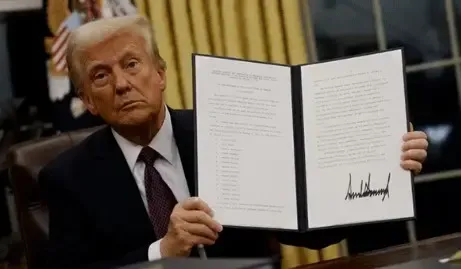
Trump's 6 August order directed federal agencies to withhold recognition of citizenship from certain children when neither parent is a US citizen. It covered three broad groups:
Children whose parents fall within the administration's definition of an “alien enemy”; children of certain foreign-government employees; and children of parents involved in commercial arrangements to obtain citizenship through childbirth in the United States. The order expressly included paid surrogacy arrangements.
Notably, the foreign-government provision went beyond ambassadors. It extended to specified embassy and consulate staff and other employees acting in an official capacity.
The Administration's Case
The administration had argued that these categories were never covered by the birthright-citizenship protections the Supreme Court upheld. In its explanation accompanying the August announcement, the White House said the measure was consistent with historical exceptions to birthright citizenship.
Trump separately signed another order directing officials to curb travel to the United States for the purpose of obtaining citizenship through childbirth. This comes amid a broader push by the administration on immigration and citizenship rules.
Who Brought the Challenge
The ACLU and partner organisations filed the Washington lawsuit on 28 September. They had initially tried to challenge the August restrictions through the earlier citizenship case before bringing a separate action.
The coalition includes the Asian Law Caucus, the NAACP Legal Defense and Educational Fund and Democracy Defenders Fund, alongside national and regional ACLU organisations.
Why the Ruling Matters
Wednesday's decision concerns only the newer restrictions. It follows the Supreme Court's June ruling that protected children who would have been denied citizenship under Trump's first order, according to the ACLU.
The pattern is significant: after losing at the highest court, the administration attempted a narrower, category-based approach. The latest ruling suggests courts are, so far, unwilling to accept that route either. Families relying on surrogacy and those employed by foreign governments in the US are among those most directly affected.
The administration's next legal step, including any appeal, will determine whether the fight over who counts as an American by birth heads back to the higher courts.
Point of View
The administration sought to sidestep a settled constitutional line, and the court has refused to play along. What coverage often misses is the surrogacy dimension: international families, including many from India who use US surrogacy, would have faced real uncertainty had this order stood. Expect an appeal, but the legal ground beneath the administration is narrowing with each defeat.
NationPress
26 Nov 2026
Frequently Asked Questions
What did the US court rule on Trump's birthright citizenship order?
A federal court in Washington blocked Trump's August 2026 order that sought to deny citizenship to additional categories of US-born children. The court said the President cannot carve out new exceptions to birthright citizenship.
Who was targeted by Trump's August citizenship order?
The order targeted children whose parents were neither US citizens and who fell into specific groups: 'alien enemy' parents, certain foreign-government employees including embassy and consulate staff, and parents in commercial childbirth arrangements such as paid surrogacy.
Who filed the lawsuit against the order?
The ACLU filed the case on 28 September along with the Asian Law Caucus, the NAACP Legal Defense and Educational Fund, Democracy Defenders Fund and regional ACLU organisations.
How is this ruling linked to the Supreme Court's June decision?
The Supreme Court in June rejected Trump's earlier birthright citizenship restrictions. The August order was a newer attempt targeting additional categories, and this ruling blocks those newer restrictions.
What was the White House's justification for the order?
The White House said the measure was consistent with historical exceptions to birthright citizenship. The administration argued the targeted categories fell outside the protections recognised by the Supreme Court.