CPJ demands release of journalist Sohrab Barkat arrested over PoK reporting
Synopsis
Journalist Sohrab Barkat has been arrested in Islamabad for the second time in under a year — this time for reporting on PoK protests as authorities simultaneously banned the very group he was covering. The CPJ calls it a deliberate attempt to criminalise independent Kashmir journalism at the worst possible moment.
Key Takeaways
Sohrab Barkat was arrested at his Islamabad residence on June 5 over his reporting on protests in Pakistan-occupied Kashmir (PoK) .
Pakistan's NCCIA filed an FIR under the Prevention of Electronic Crimes Act (PECA) , citing a report on the JAAC protest movement.
Barkat was remanded in custody for three days after appearing in court on Friday.
This is his second detention; he was previously held for 100 days without charge from November 2025 to March 2026 .
The CPJ called the arrest a 'blatant attempt to criminalise independent reporting on Kashmir' and demanded his immediate release.
Several reports indicate dozens killed and hundreds injured in clashes between security forces and protesters in Rawalakot, PoK .
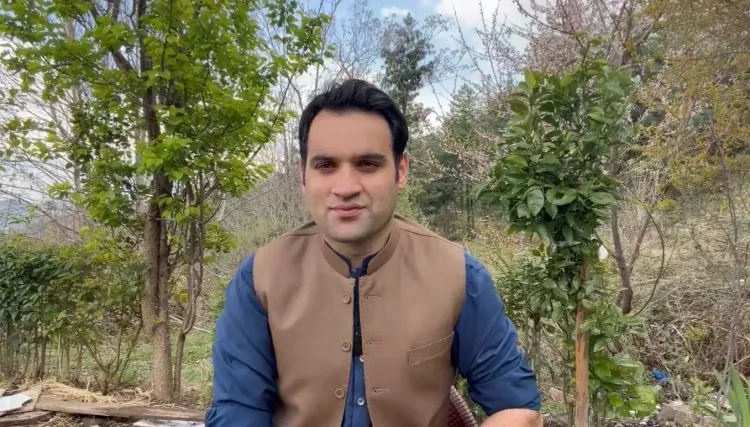
The Committee to Protect Journalists (CPJ) on Friday demanded that Pakistani authorities immediately and unconditionally release journalist Sohrab Barkat, who was arrested at his Islamabad residence in connection with his reporting on protests in Pakistan-occupied Kashmir (PoK). The arrest marks the second time in less than a year that Barkat has been detained over his journalistic work.
The Arrest and FIR
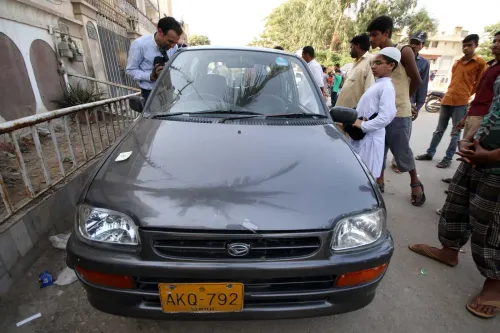
According to the CPJ, Barkat was detained on June 5, with authorities seizing his phone and car keys. Pakistan's National Cyber Crime Investigation Agency (NCCIA) registered a First Information Report (FIR) against him the following day, citing alleged violations of the Prevention of Electronic Crimes Act (PECA). The FIR specifically referenced a June 5 report by Barkat on the political situation in PoK and accused him of promoting the views of the Jammu Kashmir Joint Awami Action Committee (JAAC) — a local protest movement. Barkat appeared in court on Friday and was remanded in custody for three days.
What CPJ Said
Waliullah Rahmani, CPJ Afghanistan-Pakistan Representative, condemned the detention in unequivocal terms. 'The detention of journalist Sohrab Barkat, just months after he spent 100 days behind bars without any charges, is a blatant attempt to criminalise independent reporting on Kashmir at a moment of intense public interest,' Rahmani said. He further demanded that 'Pakistani authorities must immediately and unconditionally release Barkat, return his equipment, and stop using vague, false information allegations and anti-terrorism measures to intimidate journalists.'
Why the Charges Are Particularly Dangerous
The CPJ flagged the accusations against Barkat as especially alarming because PoK authorities reportedly banned the JAAC under anti-terrorism laws on the same day — June 5 — as his arrest. Reporting on a newly proscribed organisation potentially exposes Barkat to far graver legal jeopardy than a standard PECA violation. This is the second detention of Barkat in connection with his journalism; he was previously held without charge from November 2025 to March 2026 — a period of 100 days.
Violence in PoK: The Backdrop
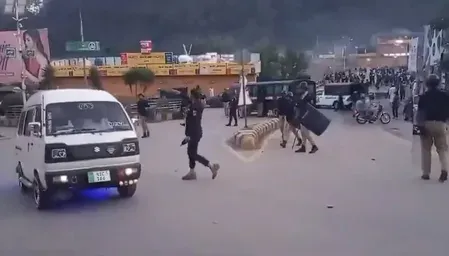
The arrest comes amid a widening crackdown on dissent in PoK. Several reports indicate that dozens of people have been killed and hundreds injured in deadly clashes between law enforcement personnel and protesters in Rawalakot city. The violence escalated after Pakistani authorities in the occupied territory declared the JAAC a proscribed group under anti-terrorism laws ahead of its planned protest on June 9. Earlier this week, multiple leading international human rights organisations condemned the crackdown on what they described as 'peaceful protests,' citing an internet shutdown, mass arbitrary arrests, and the deadly use of force as an alarming deterioration of human rights in the region.
Pattern of Press Suppression
The CPJ described Barkat's re-arrest as part of an escalating pattern of media suppression in Pakistan. Journalists covering PoK — a region of acute geopolitical sensitivity — have faced repeated legal harassment under broadly worded cybercrime and anti-terrorism statutes. Critics argue that PECA, in particular, has been routinely weaponised against reporters whose work challenges the official narrative on Kashmir. The latest case is expected to draw fresh scrutiny from international bodies monitoring press freedom in South Asia.
Point of View
Not coincidence. Barkat's 100-day detention without charge last year produced no international consequence serious enough to deter a repeat. Until Pakistan faces tangible diplomatic costs for press suppression, the NCCIA will keep reaching for the FIR as its first editorial tool.
NationPress
22 Sept 2026
Frequently Asked Questions
Who is Sohrab Barkat and why was he arrested?
Sohrab Barkat is a journalist based in Islamabad who was arrested on June 5 for reporting on protests in Pakistan-occupied Kashmir (PoK). Pakistani authorities filed an FIR against him under the Prevention of Electronic Crimes Act (PECA), accusing him of promoting the views of the Jammu Kashmir Joint Awami Action Committee (JAAC).
What is the Committee to Protect Journalists (CPJ)?
The Committee to Protect Journalists (CPJ) is a leading international press freedom organisation headquartered in New York that advocates for journalists imprisoned or attacked worldwide. It has called on Pakistani authorities to immediately and unconditionally release Barkat and return his equipment.
Has Sohrab Barkat been detained before?
Yes. Barkat was previously detained by Pakistani authorities without charge for 100 days, from November 2025 to March 2026, also in connection with his journalistic work. His latest arrest marks the second such detention in under a year.
What is the JAAC and why is it significant?
The Jammu Kashmir Joint Awami Action Committee (JAAC) is a local protest movement in Pakistan-occupied Kashmir. Pakistani authorities in PoK banned the JAAC under anti-terrorism laws on June 5 — the same day Barkat was arrested for reporting on the group — making the charges against him potentially more serious.
What is the broader situation in PoK?
Several reports indicate that dozens of people have been killed and hundreds injured in clashes between law enforcement and protesters in Rawalakot city, PoK. International human rights organisations have condemned the crackdown, citing an internet shutdown, mass arbitrary arrests, and deadly use of force against what they described as peaceful protests.