Are Hiding Chiefs and Broken Trust Shaking Lashkar-e-Taiba and Jaish-e-Mohammed?
Synopsis
In the aftermath of Operation Sindoor, the Lashkar-e-Taiba and Jaish-e-Mohammed face unprecedented challenges as their leaders remain in hiding. This article explores the internal discontent growing among the ranks, questioning the leadership's commitment to their members while grappling with external threats. Discover the implications of these developments on Pakistan's militant landscape.
Key Takeaways
The leadership of Lashkar-e-Taiba and Jaish-e-Mohammed is currently in hiding.
Operation Sindoor inflicted significant damage on both groups.
Internal dissatisfaction is rising among the cadres.
The relationship between Pakistan and the U.S. is causing concern among militants.
Trust in leadership is critically low.
New Delhi, Nov 3 (NationPress) The Lashkar-e-Taiba and Jaish-e-Mohammed are struggling to recover in the aftermath of Operation Sindoor. The ISI has made numerous efforts to rejuvenate these organizations and reintegrate them into their previous operations. Nevertheless, both groups, despite having personnel available, are unable to regain their footing as their leaders are currently evading capture.
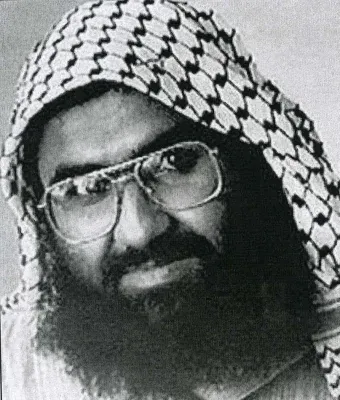
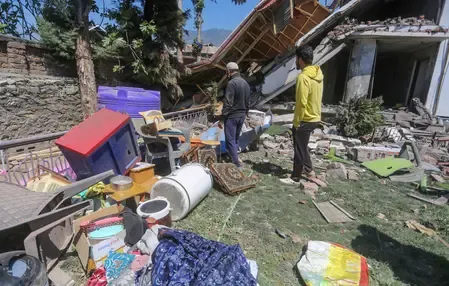
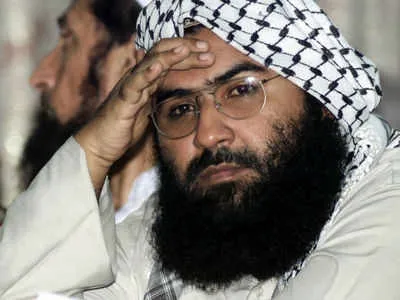
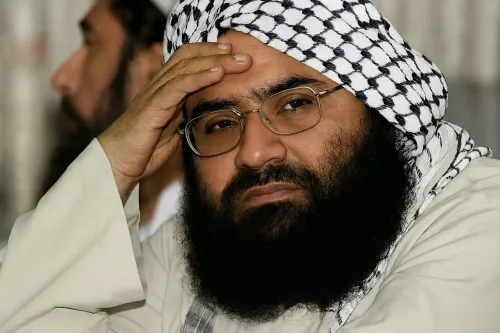
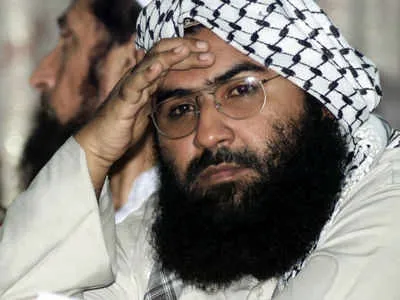
Masood Azhar, the leader of Jaish-e-Mohammed, is reportedly in a state of despair following the significant loss of his family during Operation Sindoor. The Indian armed forces executed a precise strike on the Jaish-e-Mohammed’s headquarters in Bahawalpur, which was completely destroyed. Members of Azhar's family who were present at that location tragically lost their lives during the operation.
Hafiz Saeed’s Lashkar-e-Taiba, which also sustained substantial damage, is grappling with operational challenges. Saeed is currently in hiding due to fears that he may be targeted by someone within his own ranks.
Post-Operation Sindoor, there is rising discontent within both organizations. Many members express frustration over being exposed to danger while their leaders receive protection directly from the ISI or the Pakistan Army. Questions are being raised regarding the silence of the leadership following the operation. Many within the ranks feel that leaders like Saeed and Azhar prioritize their own safety and that of their families over the well-being of their followers.
Questions are being raised regarding whether Jihad and death are solely reserved for the foot soldiers and not for the top leaders. They point to Zaki-ur-Rehman Lakhvi, the operational commander of Lashkar-e-Taiba, who continues to reside in secure locations.
Moreover, Lakhvi has been absent for several years, which has sparked skepticism among the cadres. Initially, the Jaish-e-Mohammed members were sympathetic to Azhar's situation after his family loss, but his extended absence has led to growing frustration.
Cadres have started to realize that the videos of Azhar purported to be recent are actually outdated. These unfolding events have contributed to significant discontent within the ranks, according to officials.
While Operation Sindoor severely weakened these two groups, recent developments in Afghanistan and Khyber Pakhtunkhwa (KP) have further incited anger among the members. Both Lashkar-e-Taiba and Jaish-e-Mohammed seem to align themselves with the army or ISI. Many operatives are puzzled by the silence of these organizations regarding the Pakistan government’s position on the Tehreek-e-Taliban Pakistan (TTP) and the Afghan Taliban.
The airstrikes in Afghanistan and the conflict against the TTP have not been well received by the members of many terror organizations. They are questioning the rationale behind fighting the Taliban when their primary struggle should be against India and Western forces.
In recent months, Pakistan has strengthened ties with the United States, a nation perceived as an adversary by the members of Lashkar-e-Taiba and Jaish-e-Mohammed. This newfound friendship, which has historically caused issues for these groups, has resurfaced and is causing discontent among the ranks.
Neither the army nor the ISI desires to witness the downfall of these groups or a rift within their ranks since they are considered reliable proxies. However, both institutions are currently preoccupied with the Afghan Taliban, TTP, and the Balochistan Nationalist Army (BLA).
In the ongoing struggle against these three entities, the army has suffered significant losses. An official notes that the military is focused on self-preservation and therefore lacks the bandwidth to assist in the resurgence of its two primary proxies. This explains the many unsuccessful infiltration attempts into Jammu and Kashmir. While operations are compromised and the ISI may seek to revitalize them, boosting the morale of the cadre will prove difficult. Currently, not only is the morale low, but trust in the leadership is almost non-existent.
Point of View
It is crucial to present an unbiased perspective on the recent developments within Lashkar-e-Taiba and Jaish-e-Mohammed. With their leadership in hiding and growing discontent among members, it is evident that these organizations are facing significant internal challenges. Understanding these dynamics is essential for comprehending the broader implications for national security and regional stability.
NationPress
7 Oct 2026
Frequently Asked Questions
What caused the current crisis within Lashkar-e-Taiba and Jaish-e-Mohammed?
The crisis emerged after Operation Sindoor, which severely damaged both groups, leading to their leaders going into hiding and a growing dissatisfaction among their ranks.
How have the leaders of these organizations responded to the situation?
Leaders like Masood Azhar and Hafiz Saeed have gone into hiding, causing frustration among their members who feel abandoned and unprotected.
What impact has Operation Sindoor had on these militant groups?
Operation Sindoor significantly weakened both Lashkar-e-Taiba and Jaish-e-Mohammed, leading to operational challenges and a lack of trust in their leadership.
What are the implications of Pakistan's relationship with the United States for these groups?
Pakistan's warming ties with the U.S. have created discontent among the ranks of these militant organizations, as they view the U.S. as an adversary.
How are the cadres responding to the leadership's silence after Operation Sindoor?
Cadres are increasingly frustrated by the silence of their leaders and are questioning their commitment to the cause, leading to a decline in morale.