Trump says India-US trade deal 'pretty close' amid Rubio's New Delhi visit
Synopsis
With Secretary of State Rubio in New Delhi meeting Jaishankar, Trump's 'pretty close' signal on an India-US trade deal is the most publicly optimistic the White House has sounded in months — but with no timeline, no resolved sector disputes, and no concessions on the table, the gap between diplomatic warmth and an actual deal remains wide.
Key Takeaways
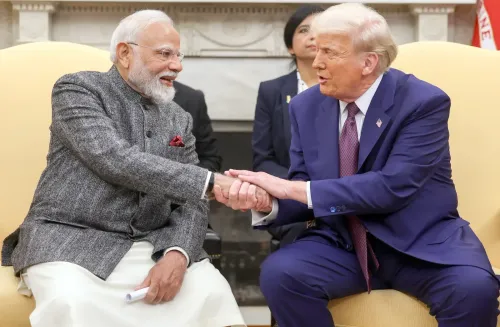
President Donald Trump said on 21 October 2026 that an India-US trade deal was 'pretty close' during an Oval Office interaction with Vice President JD Vance .
Trump described the prospective deal as 'a much different kind of deal' from previous US trade agreements, without specifying how.
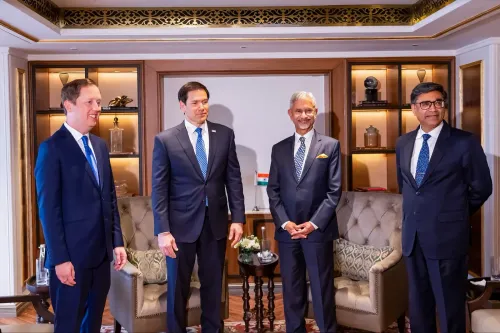
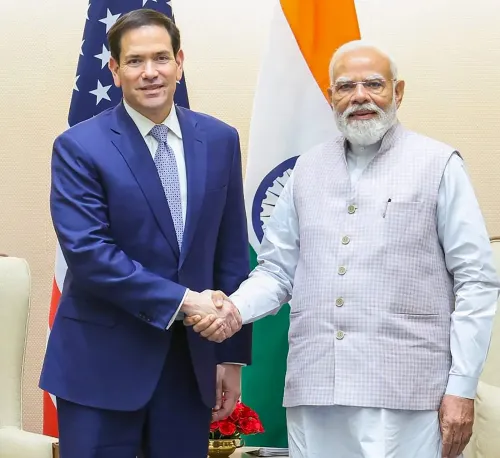
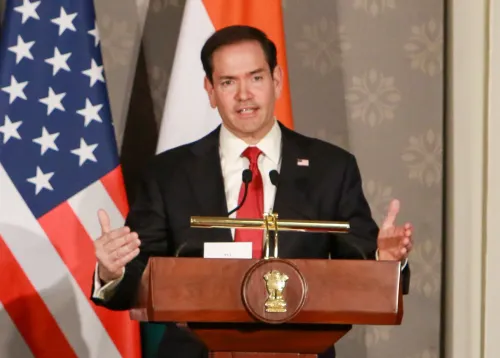
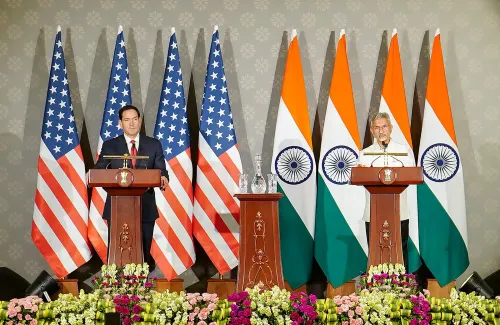
Secretary of State Marco Rubio was simultaneously visiting New Delhi and meeting External Affairs Minister S.
No timeline, tariff concessions, or sector-specific resolutions were announced.
Key Indian export sectors at stake include pharmaceuticals , textiles , IT services , engineering goods , and electronics .
The talks sit within Trump's broader second-term policy of making reciprocal market access a central element of US trade strategy.
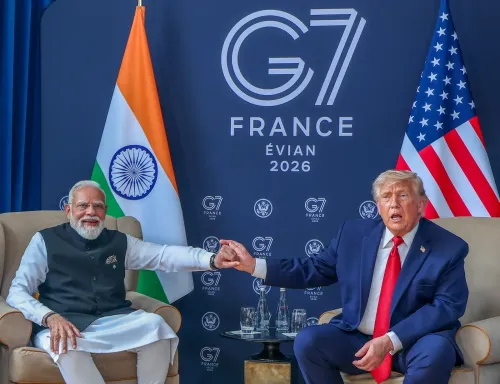
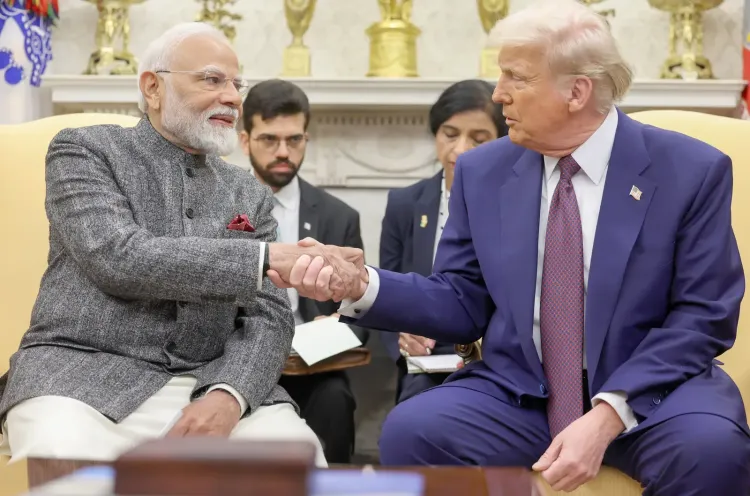
US President Donald Trump said on 21 October 2026 that India and the United States were close to finalising a bilateral trade agreement, describing the prospective deal as significantly different from previous trade arrangements Washington has struck. The remarks came during an Oval Office interaction alongside Vice President JD Vance, even as Secretary of State Marco Rubio was on the ground in New Delhi holding talks with External Affairs Minister S. Jaishankar.
What Trump Said
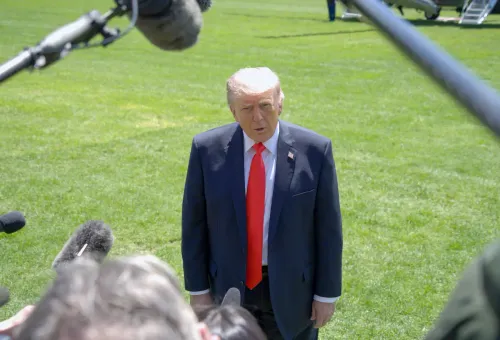
'They want to make a deal. We're going to make a deal pretty close,' Trump told reporters. He added: 'Yeah, that's going to be a much different kind of deal than we've made.' The President did not elaborate on what would distinguish the proposed arrangement from earlier US trade agreements, nor did he specify a timeline, name unresolved issues, or announce any new tariff concessions or investment commitments.
High-Level Diplomatic Backdrop
The timing of Trump's comments was notable. Rubio's simultaneous visit to India — and his direct engagement with Jaishankar — placed the President's Oval Office remarks against an active phase of high-level diplomatic contact between the two governments. Both sides have framed trade and investment as core pillars of the bilateral relationship, alongside defence cooperation, technology partnerships, and energy security.
What Is at Stake for Both Sides
India and the United States have been negotiating a bilateral trade arrangement aimed at expanding market access and resolving longstanding differences over tariffs, agricultural products, industrial goods, and regulatory barriers. For India, the talks carry major implications for export-oriented sectors including pharmaceuticals, engineering goods, textiles, electronics, and IT-related services. American companies, in turn, have sought greater access to India's expanding consumer market and manufacturing base.
The United States is among India's largest trading partners, with bilateral commerce spanning both goods and services, and underpinned by substantial investment flows across technology, pharmaceuticals, manufacturing, and financial services.
Broader Trade Policy Context
Trump's comments on India came within a wider monologue on the administration's trade strategy. He cited Canada, Mexico, and the European Union as examples of relationships his tariff policy was reshaping, and argued that the United States was drawing significant new manufacturing investment as a result. Under his second administration, tariffs and reciprocal market access have been made central planks of American economic policy — a posture that has elevated the urgency of negotiations for trading partners, including India.
Notably, Trump did not specifically mention India's trade surplus with the US or its tariff structure during the exchange, suggesting the remarks were broadly optimistic rather than a substantive progress update from negotiators.
What Comes Next
Officials in Washington and New Delhi have been in discussions for months, and the overlapping signals — Trump's public optimism and Rubio's in-person engagement with Jaishankar — point to a relationship that both governments are actively managing. However, with no announced resolution on sector-specific differences or an implementation timetable, businesses, exporters, and investors on both sides will be watching for concrete outcomes from this latest round of diplomatic activity.
Point of View
Not a negotiating outcome — and the lack of any specifics on tariffs, sectors, or timelines should temper the optimism. The simultaneity of Rubio's New Delhi visit is meaningful: it suggests both sides are managing optics as much as substance. The deeper tension is structural — Trump's trade doctrine demands reciprocal concessions, while India has historically protected agriculture, dairy, and digital services from foreign competition. Until those fault lines are publicly addressed, 'pretty close' risks meaning 'pretty far from done.'
NationPress
21 Oct 2026
Frequently Asked Questions
What did Trump say about the India-US trade deal?
Trump said on 21 October 2026 that India 'wants to make a deal' and that the two countries were 'going to make a deal pretty close.' He added that the arrangement would be 'a much different kind of deal' from previous US trade agreements, without elaborating further.
Why is the timing of Trump's remarks significant?
Secretary of State Marco Rubio was visiting New Delhi at the same time, holding discussions with External Affairs Minister S. Jaishankar. Trump's Oval Office comments therefore coincided with an active round of high-level diplomatic engagement between Washington and New Delhi.
What are the key issues in India-US trade negotiations?
The two countries have been negotiating over tariffs, agricultural products, industrial goods, and regulatory barriers. India's major export interests include pharmaceuticals, IT services, textiles, engineering goods, and electronics, while US companies have sought greater access to India's consumer and manufacturing markets.
Has a date or timeline been set for the trade deal?
No. Trump did not specify when negotiations would conclude, which sectors had been resolved, or what new concessions had been offered. His remarks were broadly optimistic but contained no concrete implementation timetable.
How does this fit into Trump's broader trade policy?
Trump's second administration has made tariffs and reciprocal market access central to US economic policy. He has applied this framework to Canada, Mexico, and the European Union as well, and India's negotiations are being conducted within the same 'reciprocal access' doctrine.