Democrats win Alaska Senate seat, lifting tally to 56 in midterms
Synopsis
The Democrats have swept all the way to Alaska, claiming a final midterm Senate seat that pushes their tally to 56 — a nine-seat flip. Mary Peltola's razor-thin majority, a 'second Sullivan' controversy, a failed Justice Department court bid, and a historic Native American milestone all collided in a single result that reshapes the Senate's balance of power.
Key Takeaways
Mary Peltola has been declared the winner of the Alaska Senate seat, defeating incumbent Republican Dan S.
The result raises the Democratic Party's Senate tally to 56 seats , flipping nine Republican seats in the 2026 midterms .
Peltola cleared the 50 per cent threshold by just 0.12 per cent , avoiding a mandatory Alaska runoff.
The Justice Department moved unsuccessfully in federal court to block certification of the result, citing the presence of a second similarly named candidate.
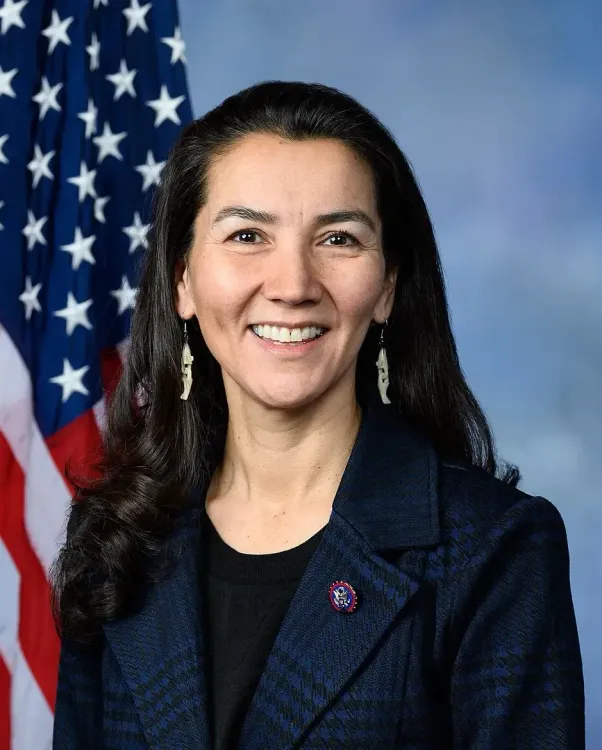
Peltola will be the first Native American from Alaska to serve in the US Senate; she previously held a House seat before losing it in 2024 .
Mary Peltola has been declared the winner of the Alaska Senate race, delivering the Democratic Party its final — and arguably most contentious — seat of the 2026 midterm elections. The result pushes the Democrats' total to 56 seats in the 100-member Senate, flipping nine Republican-held seats in the cycle.
A Narrow but Decisive Victory
Peltola crossed the 50 per cent vote threshold by just 0.12 per cent, defeating sitting Republican Senator Dan S. Sullivan in a state that President Donald Trump had carried by 13 per cent. Because she cleared the majority mark, Alaska's runoff requirement — triggered when no candidate crosses 50 per cent — did not come into play.
Following the media's projection of her win, Peltola posted on X: 'There is no greater honour than having Alaskans' support in our fight to take on corporate greed, lower costs, and put Alaska first.'
The 'Second Sullivan' Controversy
The race was shadowed by allegations that Democrats had fielded a candidate whose name closely mirrored Sullivan's — differing only by a middle initial — in a bid to split or confuse Republican voters. President Trump publicly claimed that votes cast for the second Sullivan would otherwise have gone to the Republican incumbent. The Justice Department moved in federal court to block certification of the results on those grounds, but the bid was unsuccessful. Since Peltola's margin exceeded 50 per cent outright, the controversy did not alter the legal outcome.
Who Is Mary Peltola
Peltola will be the first Native American from Alaska to serve in the United States Senate. By profession a commercial fisher, she campaigned on the slogan '4Fs — Fish, Family, Freedom', resonating with the state's large Indigenous communities for whom fishing is central to both livelihood and cultural identity — particularly in the vast swaths of Alaska that lie within the Arctic Circle. She previously served in the House of Representatives but lost her seat in 2024 to a Republican riding President Trump's re-election wave.
What It Means for the Senate Balance
The Alaska result was the last to be called, in part because the state's geographic scale slowed the ballot count considerably. With the Democrats now holding 56 Senate seats — a gain of nine over the previous composition — the party commands a considerably stronger majority heading into the next legislative session. This comes amid broader national questions about the direction of the Trump administration's legislative agenda, with a larger Democratic bloc in the upper chamber now positioned to scrutinise or block key Republican priorities.
All eyes will now turn to committee assignments and whether any newly flipped senators choose to caucus independently, as the Democratic leadership moves to consolidate its expanded majority.
Point of View
Whatever its origin, handed Democrats a legal grey zone that the Justice Department tried and failed to exploit, leaving the party's victory legally clean but politically contested. More broadly, a 56-seat Democratic Senate is a significant structural shift: it cushions against defections, strengthens committee leverage, and complicates Trump's confirmations and legislative calendar in ways that a bare majority would not. The Alaska result is a postscript to the midterm story, but its downstream consequences for the Senate's functional balance are anything but minor.
NationPress
18 Nov 2026
Frequently Asked Questions
Who won the Alaska Senate seat in the 2026 midterms?
Mary Peltola, a Democrat and former member of the House of Representatives, won the Alaska Senate seat by defeating Republican incumbent Dan S. Sullivan. She crossed the 50 per cent vote threshold by 0.12 per cent, making a runoff unnecessary under Alaska law.
How many Senate seats do Democrats now hold after the midterms?
With the Alaska result, the Democratic Party holds 56 seats in the 100-member Senate, having flipped nine Republican-held seats during the 2026 midterm election cycle.
What was the 'second Sullivan' controversy in the Alaska race?
Democrats were accused of fielding a candidate with a name nearly identical to Republican incumbent Dan S. Sullivan — differing only by a middle initial — allegedly to confuse voters. President Trump claimed the second Sullivan's votes would otherwise have gone to the Republican. The Justice Department sought a federal court order to block certification of the result, but the bid failed.
Why is Mary Peltola's election historically significant?
Peltola will become the first Native American from Alaska to serve in the United States Senate. A commercial fisher by trade, she ran on the slogan '4Fs — Fish, Family, Freedom,' drawing on issues central to Alaska's Indigenous communities.
What impact does a 56-seat Democratic Senate majority have?
A 56-seat majority gives Democrats significantly more room to absorb internal defections, greater leverage over committee assignments, and a stronger position to scrutinise or block Republican-backed legislation and executive nominations put forward by the Trump administration.