US midterm 2026: Democrats seize Congress, flip Texas and Kansas in blue wave
Synopsis
In what analysts are calling the most consequential US midterms in a generation, Democrats didn't just retake Congress — they broke through in Texas and Kansas, states Republicans had considered impenetrable. With a 54-seat Senate majority, a House majority, and four new governorships, the results rewrite the map and leave Trump governing against unified Democratic opposition for the final two years of his term.
Key Takeaways
Democrats captured both the House and Senate in Tuesday's US midterm elections , overturning a 53-47 Republican Senate majority .
Democrats flipped seven Republican Senate seats and won four Republican governorships , including in Texas and Kansas .
James Talarico became the first Democrat elected to the Texas Senate since 1988 ; Adam Hamilton delivered Kansas's first Democratic Senate win since 1932 .
Keisha Lance Bottoms (Georgia) became the first Black woman elected Governor in US history; Amy Acton became the first woman Governor of Ohio.
Hakeem Jeffries is set to become the first Black Speaker of the House when the new Congress convenes in January 2027 .
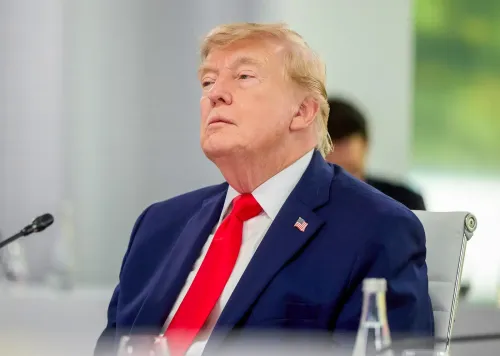
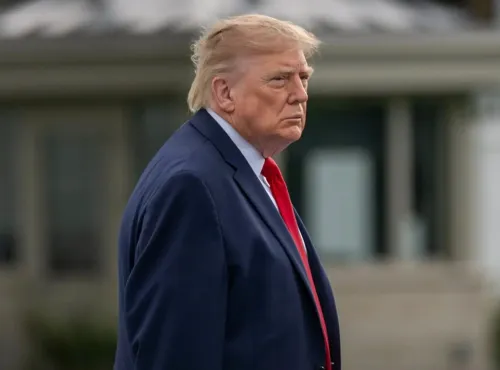
President Trump acknowledged the results, saying he looked forward to working with Democrats, while attributing losses partly to his absence from the ballot.
A sweeping Democratic blue wave reshaped the United States political landscape on Tuesday, 4 November 2026, as the party captured control of both chambers of Congress, flipped seven Republican-held Senate seats, and won four Republican governorships — including in deep-red states that had backed President Donald Trump just two years earlier.
By early Wednesday, Democrats had secured at least 54 Senate seats and crossed the 218-seat threshold required for a House majority, according to election projections by CBS News and Fox News. Republicans had entered election day controlling both chambers, holding a 53-47 Senate majority.
Biggest Upsets: Texas and Kansas Fall
The most dramatic reversals came in two longstanding Republican strongholds. In Texas, Democrat James Talarico defeated Republican incumbent Ken Paxton, becoming the first Democrat elected to the US Senate from the state since 1988. Democrat Gina Hinojosa simultaneously defeated three-term Republican Governor Greg Abbott, ending more than three decades without a Democratic gubernatorial victory in Texas.
In Kansas, Democrat Adam Hamilton defeated Republican Senator Roger Marshall, handing Democrats their first Senate win in the state since 1932 — a margin of history that underscored the breadth of the swing.
Ohio, Iowa, Maine and the Wider Sweep
Ohio delivered a double blow to Republicans. Former Democratic Senator Sherrod Brown defeated Republican Senator Jon Husted, reclaiming the seat previously held by Vice President JD Vance. Democrat Amy Acton defeated Indian-American Republican Vivek Ramaswamy in the Governor's race, becoming the first woman elected Governor of Ohio, despite strong campaign backing from Trump and Vance.
In Iowa, Democrat Josh Turek defeated Republican Ashley Hinson for the Senate, while Rob Sand captured the governorship. In Maine, Democrat Troy Jackson unseated veteran Republican Senator Susan Collins. North Carolina elected former Democratic Governor Roy Cooper to the Senate. South Carolina delivered another upset, with Democrat Annie Andrews defeating Republican incumbent Darline Graham.
Democrats also retained key Senate seats in Georgia, Michigan and New Hampshire. Abdul El-Sayed won Michigan's Senate race, becoming the first Muslim elected to the chamber.
Historic Firsts and House Gains
In Georgia, former Atlanta Mayor Keisha Lance Bottoms became the first Black woman elected Governor in US history. House Democratic leader Hakeem Jeffries is positioned to become the first Black Speaker of the House when the new Congress convenes in January 2027, subject to a formal vote.
Republican losses in the House spanned competitive districts across Virginia, Wisconsin, Iowa, Pennsylvania and other states. Defeated Republican incumbents included Jen Kiggans in Virginia, Derrick Van Orden in Wisconsin and Victoria Spartz in Indiana. Republicans did retain some offices, with Byron Donalds winning the Florida governorship.
Reactions from Trump and Schumer
President Trump acknowledged the results in a telephone interview with CBS News. 'My message is, congratulations to the Democrats, and I look forward to working with you for the good of our country,' he said. Trump attributed Republican losses partly to his absence from the ballot and emphasised that he retained presidential veto powers.
Senate Democratic leader Chuck Schumer declared victory, saying: 'Against all odds, we Democrats have won the Senate,' adding that 'relief is on the way.' Schumer credited voter concerns over living costs, healthcare and the country's direction for the Democratic surge, while accusing Republicans of persisting with Trump's policies despite public dissatisfaction.
What Happens Next
The newly elected Congress will be sworn in January 2027, fundamentally altering the legislative calculus for the remainder of Trump's presidency. With both chambers now under Democratic control, the administration faces a far more adversarial legislative environment, greater scrutiny of executive priorities, and the realistic prospect of oversight investigations. The scale of these midterm results — particularly the flipping of Texas and Kansas — will drive internal Republican recalibrations heading into the next presidential cycle.
Point of View
States that last sent Democrats to the Senate in 1988 and 1932 respectively, signals a voter coalition that has moved well beyond the traditional blue-state base. What mainstream coverage underplays is the downstream implication for Trump's presidency: a Democratic Congress can stall legislation, escalate oversight, and frame the narrative heading into 2028. The question is whether Democrats use this mandate to govern or to investigate — that choice will define the next two years as much as any policy outcome.
NationPress
4 Nov 2026
Frequently Asked Questions
What happened in the 2026 US midterm elections?
Democrats won control of both the House of Representatives and the Senate in the 4 November 2026 US midterm elections, flipping seven Republican Senate seats and four governorships. The scale of the wins, particularly in Texas and Kansas, surprised political observers and represents the biggest Republican setback in decades.
Which Republican strongholds did Democrats flip?
Texas and Kansas were the most dramatic flips. In Texas, Democrat James Talarico won the Senate seat — the first Democratic win there since 1988 — while Gina Hinojosa defeated Governor Greg Abbott. In Kansas, Adam Hamilton's Senate win was the first for Democrats since 1932.
What historic firsts did the 2026 midterms produce?
Several historic firsts were recorded: Keisha Lance Bottoms became the first Black woman elected Governor in US history (Georgia); Amy Acton became Ohio's first woman Governor; Abdul El-Sayed became the first Muslim elected to the US Senate; and Hakeem Jeffries is set to become the first Black Speaker of the House.
How did President Trump respond to the Democratic victories?
Trump acknowledged the results in a CBS News telephone interview, saying: 'My message is, congratulations to the Democrats, and I look forward to working with you for the good of our country.' He attributed Republican losses partly to his absence from the ballot and noted he retains presidential veto powers.
What does Democratic control of Congress mean for Trump's presidency?
With Democrats controlling both chambers from January 2027, Trump faces a fundamentally more adversarial legislative environment for the final two years of his term. The new Congress can block legislation, compel oversight hearings, and shape the political agenda ahead of the next presidential election.