US midterm results 2026: Democrats sweep Congress, Trump blames turnout
Synopsis
In a sweeping midterm rebuke, Democrats have captured both the Senate and House of Representatives, ending Republican control of Congress. Trump publicly congratulated Democrats while privately insisting the results would have been different had he been on the ballot — setting up a sharp divided-government clash in Washington from January 2027.
Key Takeaways
Democrats captured both the Senate and House of Representatives in the November 3, 2026 US midterm elections.
President Trump congratulated Democrats but attributed Republican losses to low voter turnout and his absence from the ballot.
Senate Democratic leader Chuck Schumer called the win a breakthrough, pledging relief on household costs and healthcare.
House Democratic leader Hakeem Jeffries is set to become the first Black Speaker of the House when the new Congress convenes in January 2027 .
House Speaker Mike Johnson's leadership is under scrutiny, with Republican internal elections expected next week.
The result creates a divided government : Democrats control Congress, Trump retains executive authority and veto power.
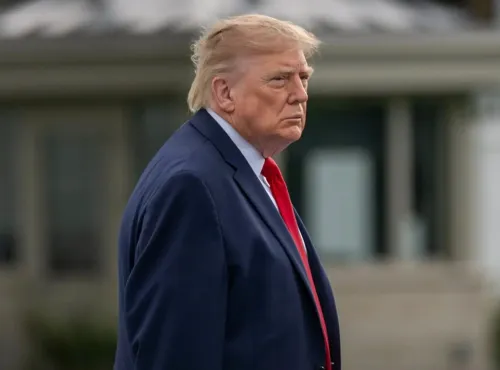
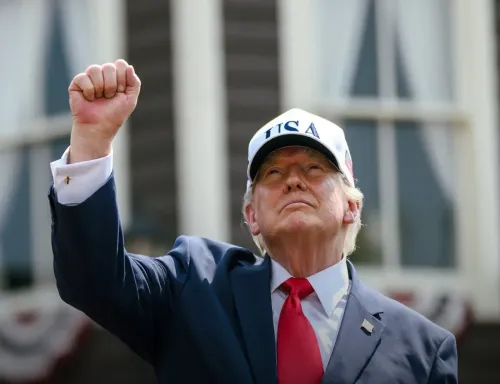
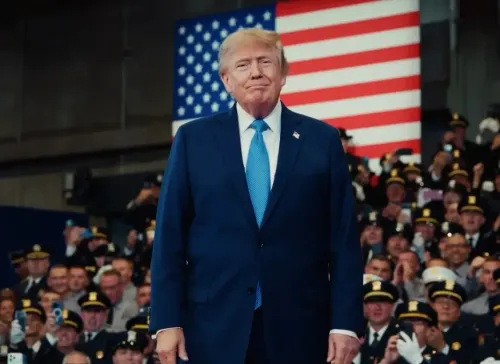
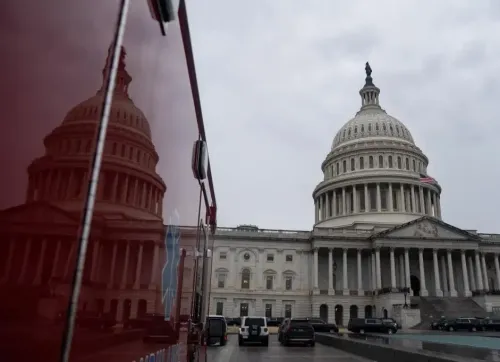
US President Donald Trump congratulated Democrats on Tuesday after the party captured both chambers of Congress in the November 3 midterm elections, while blaming Republican losses on low voter turnout and his own absence from the ballot. Democratic leaders in Washington swiftly promised to lower living costs and intensify scrutiny of the Trump administration as they prepare to assume control of the House of Representatives and Senate in January 2027.
Trump Concedes But Deflects Blame
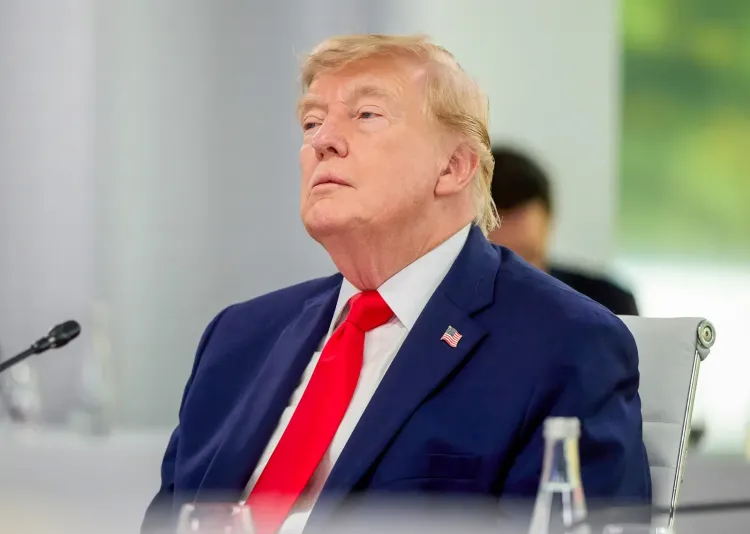
Trump, speaking to CBS News in an election-night telephone interview, struck a measured tone publicly while pushing back privately. 'My message is, congratulations to the Democrats, and I look forward to working with you for the good of our country,' he said. However, he insisted that Republicans would have performed better had he personally been on the ballot, attributing the defeats to Republican voters staying home and dissatisfaction with individual candidates.
Trump acknowledged that his campaign efforts on behalf of Republican contenders had not translated into victories, though he emphasised his constitutional veto power as a check on the incoming Democratic majority. He made clear that any legislation would need White House negotiation to pass.
Democrats Celebrate a Historic Breakthrough
Senate Democratic leader Chuck Schumer declared victory at a Washington news conference on Wednesday, 4 November 2026, calling the outcome a political breakthrough few had anticipated. 'Against all odds, we Democrats have won the Senate,' Schumer said, adding that 'relief is on the way' for American families.
Schumer attributed the wins to widespread concerns over rising household expenses, healthcare costs, and broader dissatisfaction with the administration. He credited the Democratic strategy of recruiting competitive candidates in traditionally Republican states as central to the party's success.
House Democratic leader Hakeem Jeffries, who is positioned to become the first Black Speaker of the House, told supporters at the Democrats' election-night gathering: 'This is a change election.' Jeffries pledged action on housing, grocery and fuel affordability, restoration of healthcare protections, and investigations into alleged corruption within the administration. He also indicated that the incoming Democratic majority would use its congressional authority to scrutinise executive actions.
Democrats Outline a Legislative Agenda
Democratic National Committee Chairman Ken Martin described the results as a mandate to address household expenses, healthcare, immigration, and government accountability. In a statement, Martin said Democrats would also challenge the administration's tariff policies and its handling of the war with Iran. This comes amid sustained public anxiety over the cost of living — a theme that Democrats leaned into heavily throughout the campaign cycle.
Republicans Face Leadership Questions
House Speaker Mike Johnson acknowledged the loss of his party's majority but argued that Republicans had faced historically difficult odds, noting that the President's party typically loses seats in midterm elections. 'It's very, very difficult to overcome, and it looks like history will be kept here tonight,' Johnson told supporters in Shreveport, Louisiana. He warned against congressional oversight becoming partisan retaliation.
Senate Republican leader John Thune defended his party's record, citing tax policies, border security, judicial appointments, and economic measures as achievements worth defending. Meanwhile, Republican Congressman Ralph Norman described the outcome as a wake-up call for conservatives, according to reports. Republicans are expected to hold internal leadership elections next week, with Johnson's future and the party's broader strategy both under scrutiny.
What a Divided Government Means
Republicans entered the November 3 elections controlling the White House and both chambers of Congress — a commanding position they will now lose. The projected Democratic victories will produce a divided government when the new Congress convenes in January 2027, handing the opposition control of congressional committees, investigative powers, and legislative scheduling, while Trump retains executive authority and veto powers. The balance of power in Washington is set for its most consequential realignment since Trump's return to office.
Point of View
But losing both chambers simultaneously is a sharper rebuke than history alone explains. The real story is Hakeem Jeffries: a potential first Black Speaker leading a majority with subpoena power and investigative committees is a structural check on Trump that no veto can fully neutralise. Democrats now face the harder test of whether they can govern across both chambers without overreaching and handing Trump a 2028 recovery narrative.
NationPress
4 Nov 2026
Frequently Asked Questions
What happened in the US midterm elections on November 3, 2026?
Democrats won control of both the Senate and the House of Representatives in the November 3, 2026 US midterm elections, ending Republican dominance of Congress. The results will produce a divided government when the new Congress convenes in January 2027, with Democrats controlling legislative committees and investigations while President Trump retains executive authority and veto powers.
Why did Trump say Republicans lost the midterms?
Trump attributed the Republican losses primarily to low voter turnout among his base and dissatisfaction with individual candidates, insisting Republicans would have performed better had he been on the ballot himself. He acknowledged his campaign efforts for Republican contenders had not translated into victories.
Who is Hakeem Jeffries and why is his role significant?
Hakeem Jeffries is the House Democratic leader who is now positioned to become the first Black Speaker of the House when the new Congress is seated in January 2027. He has pledged legislative action on housing, grocery and fuel affordability, healthcare protections, and congressional investigations into the Trump administration.
What will a divided government mean for the United States?
With Democrats controlling both chambers of Congress and Trump in the White House, the US enters a period of divided government from January 2027. Democrats will chair congressional committees and control investigative and legislative scheduling powers, while Trump retains executive authority and the ability to veto legislation — requiring negotiation between the two sides for any major bills to pass.
What is the Republican Party's next step after the midterm losses?
Republicans are expected to hold internal leadership elections next week, with House Speaker Mike Johnson's position under scrutiny following the loss of his party's majority. Republican Congressman Ralph Norman described the results as a wake-up call for conservatives, signalling broader debate over the party's leadership and electoral strategy.