Trump vows veto blitz if Democrats win House in midterms
Synopsis
Trump did not just campaign against a Democratic House — he pre-empted one. By framing serial vetoes as a deal-making instrument rather than a deadlock, he signalled that even a lost midterm would not sideline his agenda. It is a high-stakes wager: that Democratic lawmakers would rather negotiate than watch legislation die in the Oval Office.
Key Takeaways
President Donald Trump said on Friday he would veto all legislation if Democrats won House control in the November midterms .
Trump framed the veto as leverage: ‘veto, veto, veto’ would force Democrats to ‘come and make a deal.’ He expressed confidence Republicans would retain Congress but outlined a clear contingency plan.
Trump acknowledged some Republican Senate candidates face competitive races while maintaining overall party enthusiasm is strong.
His remarks came during an intensive campaign swing covering Iowa , Florida , and Michigan .
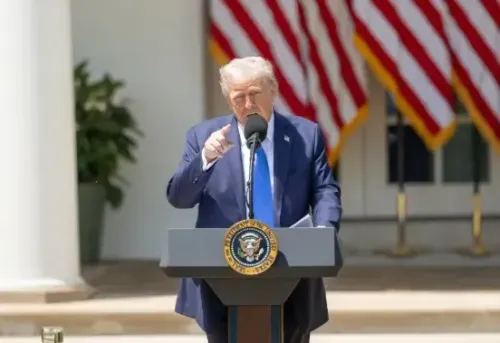
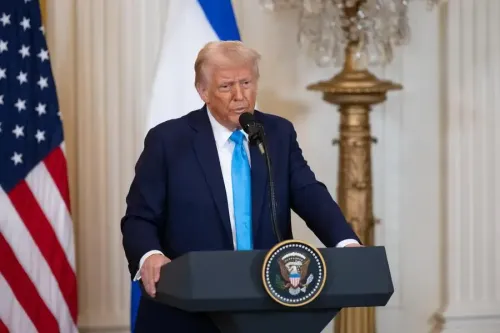
US President Donald Trump on Friday declared he would deploy his veto power as a systematic bargaining weapon if Republicans lost control of Congress in the November midterm elections, brushing aside concerns that the resulting legislative gridlock could inflict damage on the American economy. The remarks, made on the White House South Lawn before Trump departed for a campaign rally in Florida, offered the clearest preview yet of how he would manage a divided government.
Trump's Veto Strategy
Speaking to reporters, Trump expressed confidence in a Republican hold but laid out a fallback posture. “Well, I think the Republicans are going to win, but if there was, as you call it, gridlock, what happens is I veto everything and then the Democrats come and they want to make a deal,” he said.
Trump framed repeated vetoes not as obstruction but as leverage. “If it happens, you veto, veto, veto, and then they come and they say, how do we get it done? And you make a deal,” he said, adding: “So, we’ll work it out.” The President argued that the credible threat of an executive veto would ultimately compel Democratic lawmakers to seek compromises with the White House.
Context: Midterm Stakes and Campaign Trail
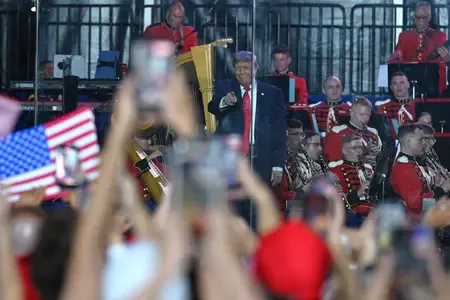
Trump’s comments came amid an intensive midterm campaign schedule designed to shore up Republican prospects across multiple states. He cited recent appearances in Iowa and flagged upcoming rallies in Florida and Michigan, insisting that crowd sizes indicated strong voter enthusiasm. He rejected suggestions that his high-frequency campaign presence could trigger a political backlash, maintaining that his rallies were directly boosting Republican candidates on the ballot.
The President acknowledged that certain Republican Senate candidates faced competitive contests, though he maintained the party’s overall momentum remained intact. His remarks came in response to a direct question about whether two years of gridlock would harm the US economy — a question Trump initially deflected toward Iran before addressing congressional control.
What a Divided Congress Could Mean
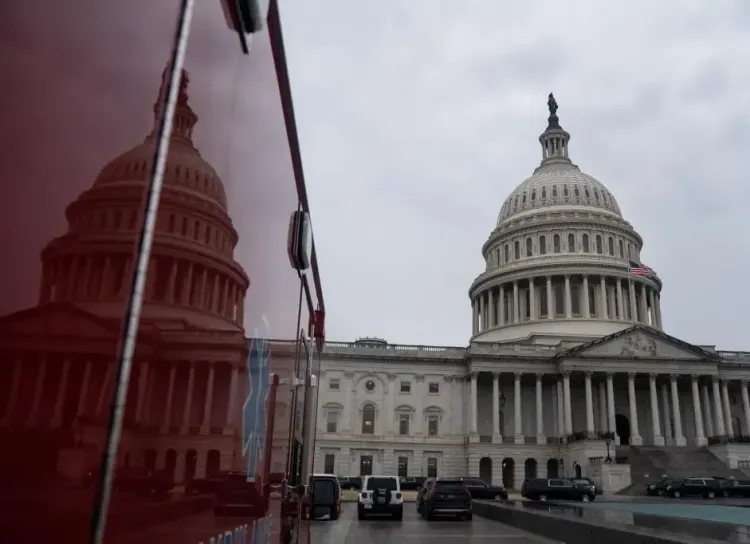
A Democratic takeover of the House would mark a significant shift in the legislative landscape, potentially stalling key elements of Trump’s domestic agenda. Historically, presidents who face a hostile chamber have relied on executive orders and veto threats to preserve policy priorities — a playbook Trump appeared to be signalling he would follow. Notably, this is not the first time a sitting president has framed gridlock as a strategic asset rather than a liability; the tactic has precedent in previous administrations that used divided government to extract bipartisan concessions.
What to Watch
The November midterm results will determine whether Trump’s veto calculus is tested in practice. Analysts note that a narrow Democratic majority in the House would give Republicans meaningful leverage in a conference committee process, potentially validating Trump’s negotiation-by-veto thesis. The coming weeks of campaigning — particularly in battleground states — will be closely watched as both parties mobilise their bases ahead of election day.
Point of View
Leaving the veto threat with nothing to bite on. More tellingly, the strategy concedes a scenario the White House has publicly dismissed — that Republicans could lose the chamber. The real signal here is that Trump is campaign-hardening his base while simultaneously managing the expectation of a split result, a dual message that reflects genuine uncertainty about November. Mainstream coverage tends to treat the veto comments as bravado; the more consequential question is whether Republicans in competitive Senate contests can distance themselves from a gridlock-is-fine narrative without alienating the Trump base.
NationPress
23 Oct 2026
Frequently Asked Questions
What did Trump say about using his veto power after the midterms?
Trump said he would veto all legislation if Democrats took control of the House, using repeated vetoes to force Democratic lawmakers to negotiate with the White House. He described the approach as a bargaining tool, not obstruction.
Why is Trump raising the veto threat before the midterm results?
Trump raised the scenario in response to a reporter’s question about whether two years of legislative gridlock would harm the US economy. His comments were intended to reassure supporters that a Democratic House would not derail his agenda.
What are the November midterm elections about?
The November midterm elections will determine control of both chambers of Congress — the House of Representatives and the Senate. A Democratic win in the House would end Republican control and reshape the legislative agenda for the remainder of Trump’s term.
Which states has Trump been campaigning in ahead of the midterms?
Trump cited recent rallies in Iowa and flagged upcoming appearances in Florida and Michigan as part of an intensive campaign schedule aimed at boosting Republican candidates ahead of the midterm elections.
How have previous presidents handled divided government?
Historically, presidents facing a hostile House have relied on executive orders and veto threats to protect key priorities, and have used the prospect of gridlock to extract bipartisan deals — a pattern Trump appeared to be signalling he would replicate.