Bangladesh child rape-murder: Rights groups demand reforms after 8-year-old killed in Dhaka
Synopsis
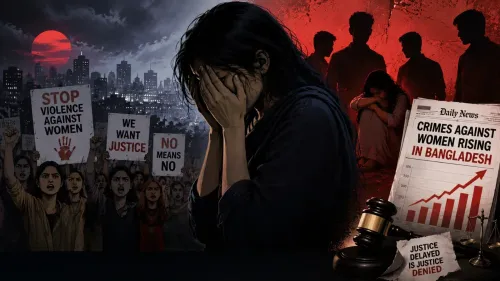
The rape and beheading of eight-year-old Ramisa Akter in Dhaka's Pallabi area has exposed a systemic crisis: rights group ASK documented at least 118 child rapes and 17 post-rape killings in Bangladesh in less than five months of 2026. A coalition of seven major organisations is now demanding a Child Reform Commission and a nationwide abuse database — the most coordinated civil society push on child safety Bangladesh has seen in years.
Key Takeaways
Eight-year-old Ramisa Akter was raped, murdered, and beheaded by neighbour Sohel Rana in Dhaka's Pallabi area on 19 May 2026 , according to police's preliminary interrogation cited by local media.
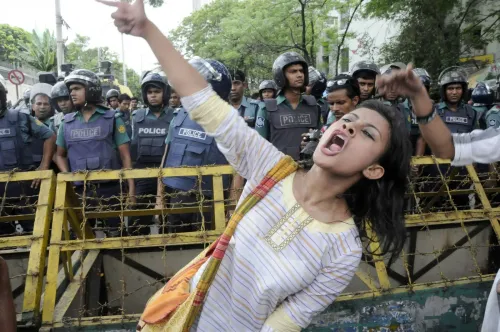
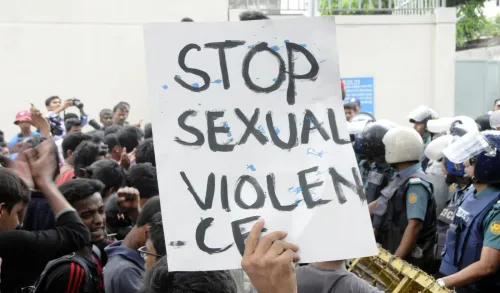
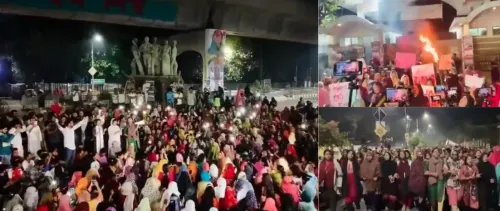
The Coalition for Advancing Equality and Justice — including Save the Children , Oxfam , and Plan International Bangladesh — condemned the killing and demanded systemic reform.
Rights group Ain o Salish Kendra (ASK) recorded at least 118 child rapes , 46 attempted rapes, and 17 post-rape killings across Bangladesh between 1 January and 20 May 2026 .
Rights bodies attribute rising child violence to impunity , judicial delays, and ineffective law enforcement.
Demands include an independent Child Reform Commission , a nationwide abuse database, and passage of a proposed sexual harassment prevention law .
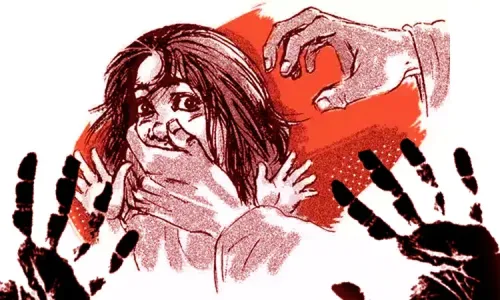
Multiple human rights organisations have strongly condemned the rape and murder of eight-year-old Ramisa Akter in Dhaka's Pallabi area on 19 May 2026, calling the incident a damning indictment of Bangladesh's child protection framework. The killing, reportedly carried out by a neighbour, has triggered an urgent demand for systemic reform from some of the country's most prominent civil society bodies.
What Happened in Pallabi
According to local media reports citing police's preliminary interrogation, Ramisa Akter, a schoolgirl, was raped, murdered, and beheaded by her neighbour Sohel Rana in the Pallabi locality of Dhaka. The incident came to light on 19 May 2026 and prompted an immediate outcry from civil society groups across Bangladesh.
What Rights Groups Said
In a joint statement issued on Thursday, the Coalition for Advancing Equality and Justice — comprising several prominent rights bodies — declared: 'Ramisa's brutal death is a stark reminder of serious gaps in accountability and protection systems for children.' The coalition added that 'Pallabi's case reflects a broader reality where children's safety, dignity and right to grow up free from violence are being severely undermined.'
Member organisations of the coalition included Breaking the Silence, JAAGO Foundation, Manusher Jonno Foundation, Oxfam in Bangladesh, Plan International Bangladesh, Save the Children in Bangladesh, and WaterAid Bangladesh.
Scale of the Crisis: Data From ASK
The scale of the problem was laid bare by Ain o Salish Kendra (ASK), a Dhaka-based rights group, which reported that between 1 January and 20 May 2026, at least 118 children were raped, 46 faced attempted rape, and 17 were killed following rape or attempted rape across Bangladesh, according to The Daily Star. ASK stated that these were not isolated incidents but reflected 'the failure of the state protection system and a deep crisis in social accountability.'
ASK also cited constitutional obligations, noting that Articles 28 and 32 of Bangladesh's Constitution guarantee children's rights to life, security, and dignity — rights it argued are being undermined by 'prolonged judicial procedures and weak investigations.'
Demands for Reform
The coalition called for sweeping institutional changes, including the establishment of an independent Child Reform Commission, child-friendly justice processes, stronger survivor support systems, and a dedicated Department of Child Affairs in Bangladesh. It also urged the formation of an independent monitoring body with a nationwide abuse database and the prompt enactment of a proposed sexual harassment prevention law.
The Human Rights Support Society (HRSS), another Dhaka-based body, attributed the rising violence to impunity, judicial delays, and ineffective law enforcement, warning that 'such brutal violence against children is a manifestation of the extreme decline of our social and moral values.'
What Comes Next
Rights groups have called on Bangladeshi authorities to ensure swift, fair investigations into Ramisa's murder and similar cases, with strict punishment for perpetrators after proper identification. Whether the government will act on the coalition's structural reform demands — particularly the proposed Child Reform Commission — remains to be seen, but the breadth of organisations involved signals that civil society pressure is unlikely to abate.
Point of View
Bangladesh is confronting a structural failure, not a string of isolated crimes. What is notable here is the breadth of the coalition: international bodies like Oxfam and Save the Children joining domestic groups signals that this has moved beyond local advocacy into a reputational issue for the interim government. The proposed Child Reform Commission is a sound demand, but Bangladesh has a history of institutional proposals stalling after the news cycle fades. The real accountability test is whether any of these bodies will track follow-through — and whether The Daily Star and others will keep the pressure on.
NationPress
14 Sept 2026
Frequently Asked Questions
Who was Ramisa Akter and what happened to her?
Ramisa Akter was an eight-year-old schoolgirl from the Pallabi area of Dhaka, Bangladesh. According to local media reports citing police's preliminary interrogation, she was raped, murdered, and beheaded by her neighbour Sohel Rana on 19 May 2026.
Which organisations condemned the Dhaka child murder?
A coalition named the Coalition for Advancing Equality and Justice issued a joint condemnation, comprising Breaking the Silence, JAAGO Foundation, Manusher Jonno Foundation, Oxfam in Bangladesh, Plan International Bangladesh, Save the Children in Bangladesh, and WaterAid Bangladesh. Dhaka-based groups Ain o Salish Kendra (ASK) and Human Rights Support Society (HRSS) also issued separate statements.
How widespread is child rape and murder in Bangladesh in 2026?
According to rights group Ain o Salish Kendra, at least 118 children were raped, 46 faced attempted rape, and 17 were killed following rape or attempted rape in Bangladesh between 1 January and 20 May 2026. ASK described this as evidence of a systemic state protection failure, not isolated incidents.
What reforms are rights groups demanding from Bangladesh's government?
Rights groups are calling for the establishment of an independent Child Reform Commission, child-friendly justice processes, a dedicated Department of Child Affairs, an independent monitoring body with a nationwide abuse database, and the prompt enactment of a proposed sexual harassment prevention law.
What role does impunity play in Bangladesh's child violence crisis?
Rights group HRSS attributed the rising violence against children to impunity, delays in the justice system, and ineffective law enforcement. ASK separately noted that prolonged judicial procedures and weak investigations are major obstacles to ensuring justice for child victims.