What Does the Latest Exodus Mean for Khyber Pakhtunkhwa's Tirah Valley?
Synopsis
As the Tirah Valley in Khyber Pakhtunkhwa faces another wave of displacement amidst political strife, locals grapple with the consequences of ongoing violence. Explore how the blame game between federal and provincial governments exacerbates the situation in this rich, yet troubled region.
Key Takeaways
Tirah Valley faces ongoing challenges due to military operations against the TTP .
The region has experienced over a decade of violence and displacement.
Political disputes complicate the resolution of issues affecting local residents.
Media narratives often misrepresent the realities of the Pashtun community.
Locals feel a sense of neglect from both federal and provincial governments.
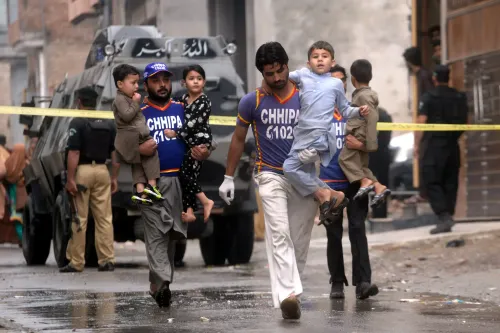
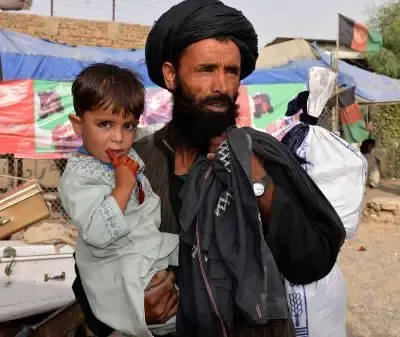
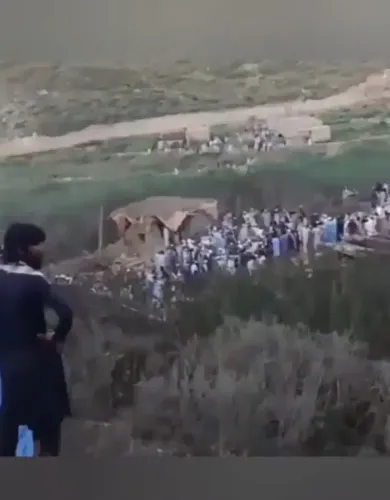
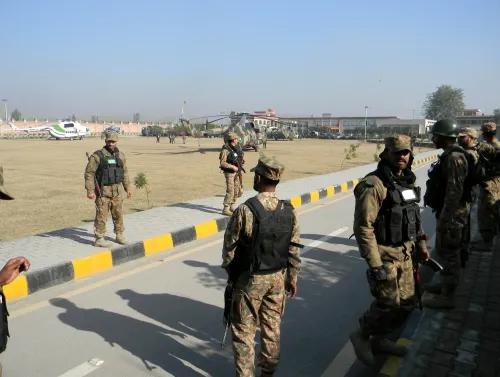
Islamabad, Feb 2 (NationPress) The Tirah Valley located within the Khyber tribal district of Pakistan's Khyber Pakhtunkhwa is currently experiencing yet another wave of displacement as discussions of a "limited offensive" against the banned Tehreek-e-Taliban Pakistan (TTP) unfold. This mass exodus adds another chapter to the region's troubled history, with local inhabitants caught in the crossfire and suffering from the fallout of the blame game between the federal government and the Pakistan Tehreek-e-Insaf (PTI)-led provincial administration.
Over the last twenty years, the tribal regions and the Malakand division have faced at least a dozen major counterterrorism operations, each vowing to eliminate the Taliban menace. Yet, the Taliban have become increasingly sophisticated and bold as violence continues to grip the area. Residents of the Tirah Valley, as well as others in the tribal districts, are left to ponder: will this cycle of violence ever cease? This sentiment was echoed by Islamabad-based journalist and analyst Ihsanullah Tipu Mehsud in a commentary for Pakistan's prominent newspaper, 'The Express Tribune'.
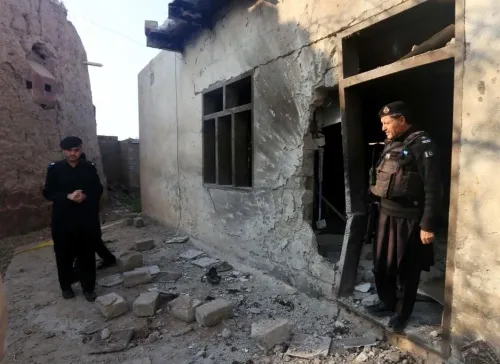
The situation has ignited political disputes, with both parties blaming one another for the lack of effective solutions. Locals are in distress, as their homes have been destroyed, their means of livelihood obliterated, and their lives uprooted. Promises of stability, reconstruction, rehabilitation, and institutional development have failed to materialize post-operation, leaving locals skeptical of the government's intentions given the history of unfulfilled commitments. Nevertheless, they have once again fled the area during this harsh winter, placing their faith in the state's assurances.
Recently, a concerning trend has emerged in both mainstream and social media, targeting Pashtuns from K-P, particularly those from the former Federally Administered Tribal Areas (FATA). Often taken out of context and accompanied by insinuations and stereotypes, this trend promotes alienation rather than integration, undermining the objectives of the 2018 FATA merger. Authorities often deflect blame for their shortcomings while utilizing media as a strategic instrument. Analysts and journalists, who lack a fundamental understanding of the tribal regions' realities, are deployed to shape the national narrative, while key Pashtun voices are systematically excluded, as noted by Mehsud.
Some politically neutral locals have pointed out that a media campaign launched recently portrayed Tirah Valley as a hub of drug cultivation, trafficking, and terrorism financing, rather than engaging with them respectfully to comprehend the intricate local dynamics surrounding the current threat. They argue that the ongoing operation appears more about settling scores between the provincial and federal governments than genuinely combating terrorism.
The Express Tribune highlighted the fact that the priorities of both the federal and provincial administrations are clear: there is only one Pashtun minister within the federal cabinet, and the current K-P provincial cabinet does not include any ministers from the southern districts— the region most severely impacted by militancy. In terms of counter-narratives, the government has appointed individuals largely unfamiliar with the complex ideological factors that drive violence in the name of jihad.
A 24-member local jirga's decision to vacate homes in Tirah Valley for operations by January 10 raises significant doubts, as only the provincial government has the authority to approve such decisions following the merger of FATA into Khyber Pakhtunkhwa and the repeal of the Frontier Crimes Regulation (FCR), which previously provided legal cover for jirga decisions.
Meanwhile, Shafi Jan, special assistant to the Khyber Pakhtunkhwa Chief Minister on information, claimed during a television talk show that coercive measures were employed against the 24 jirga elders to sign the agreement, a claim that authorities have denied. The treatment of the former FATA since its integration into Khyber Pakhtunkhwa indicates that it continues to endure the neglect it faced during its period of autonomy.
Point of View
We must recognize the profound struggles of the residents in Tirah Valley. They are not merely victims of violence, but individuals with hopes and aspirations, caught in a historical cycle of neglect and political maneuvering. Our commitment lies in amplifying their voices and advocating for genuine dialogue and solutions.
NationPress
10 Oct 2026
Frequently Asked Questions
What is causing the displacement in Tirah Valley?
The displacement in Tirah Valley is primarily due to ongoing military operations against the TTP, leading to fears of violence and instability.
How many counterterrorism operations have occurred in the region?
Over the past two decades, there have been at least 12 major counterterrorism operations in the tribal areas and Malakand division.
What are the political implications of the current situation?
The situation has become politically contentious, with both federal and provincial governments blaming each other for the lack of effective solutions.
What role does the media play in the current narrative?
The media has been criticized for perpetuating negative stereotypes of Pashtuns and failing to represent the complexities of the local dynamics.
What are the locals' perspectives on the government's promises?
Many locals feel disillusioned by past unfulfilled promises of stability and development, leading to skepticism regarding the government's current assurances.