DR Congo Ebola outbreak tops 1,048 cases; Tshisekedi to visit Ituri
Synopsis
With the DRC's Ebola toll crossing 1,048 confirmed cases and 267 deaths, President Tshisekedi has pledged a personal visit to the Ituri epicentre — a high-stakes political signal in a region where insecurity and displacement have stalled containment. The WHO warns the outbreak is no longer confined to Ituri alone.
Key Takeaways
DRC President Felix Tshisekedi announced on 23 June he would personally visit Ituri Province , the Ebola outbreak epicentre.
The outbreak has recorded 1,048 confirmed cases and 267 deaths , according to Congolese authorities.
The virus strain involved is the Bundibugyo variant of Ebola, spreading through conflict-affected eastern DRC.
The WHO has confirmed cases in North Kivu and South Kivu beyond Ituri, and warns insecurity is hampering response.
Burundian President Evariste Ndayishimiye , current AU chair, urged countries not to close borders and pledged regional solidarity.
Democratic Republic of the Congo (DRC) President Felix Tshisekedi announced on Tuesday, 23 June that he would personally travel to Ituri Province — the epicentre of the country's active Ebola outbreak — to oversee response operations on the ground. The declaration came as official figures confirmed the outbreak had crossed 1,048 confirmed cases, including 267 deaths.
Tshisekedi's Announcement
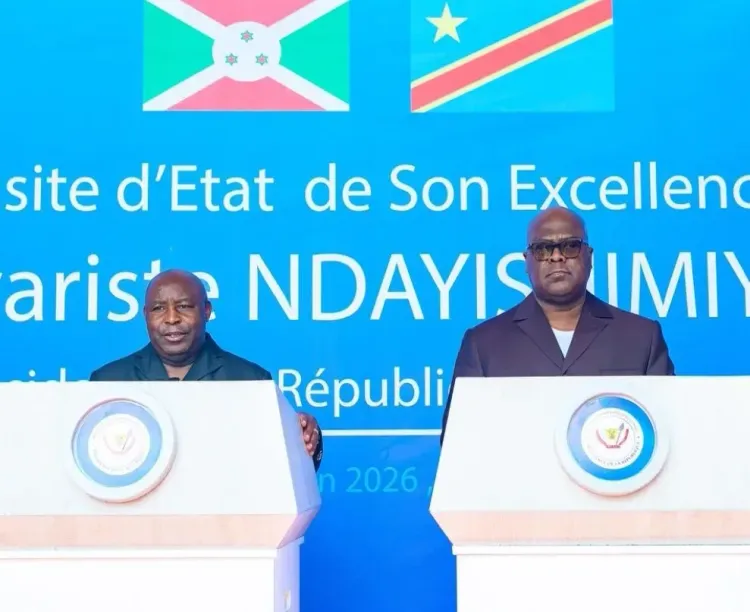
'I will very soon go to Ituri Province, to the very sites of the outbreak, to personally follow up,' Tshisekedi said at a joint press conference in Kinshasa alongside visiting Burundian President Evariste Ndayishimiye, who currently chairs the African Union (AU). The statement followed a meeting of the national Ebola response task force, which the two leaders attended together. Tshisekedi said the session provided 'a full update' on the epidemiological situation and the measures being deployed.
Outbreak Scale and Strain
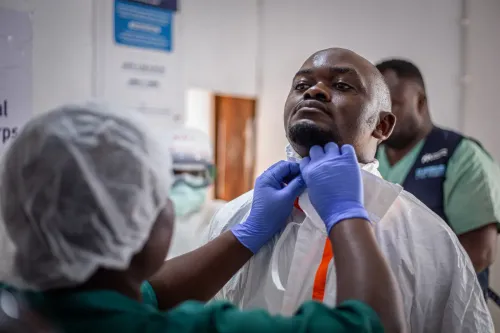
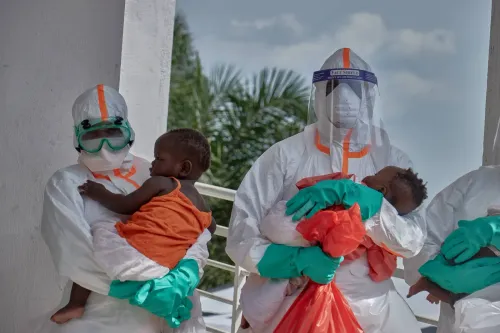
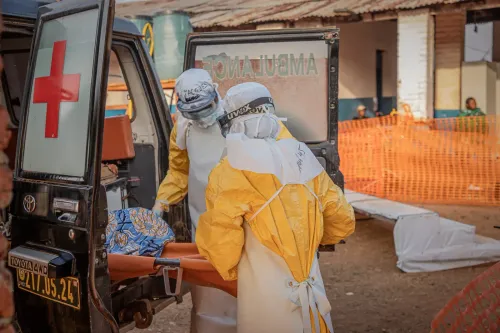
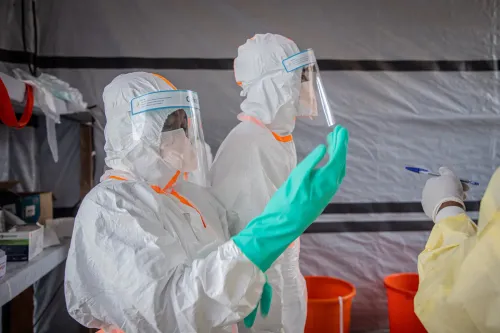
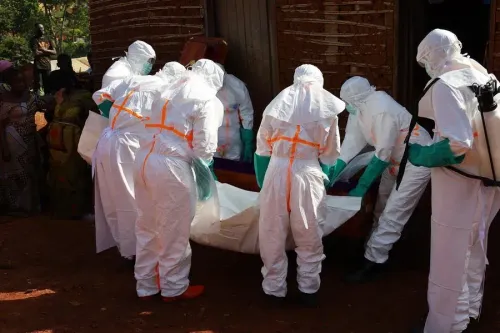
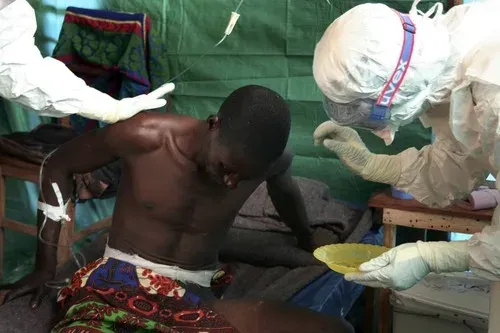
The current outbreak is caused by the Bundibugyo strain of the Ebola virus — a less lethal but still dangerous variant — and has continued to spread through the country's conflict-affected eastern region. According to figures released by Congolese authorities, the toll stands at 1,048 confirmed cases and 267 deaths. The World Health Organisation (WHO) has confirmed the outbreak remains concentrated in Ituri, though cases have also been reported in North Kivu and South Kivu provinces.
Why Containment Remains Difficult
The WHO has warned that ongoing insecurity, large-scale population displacement, and constraints on surveillance and response activities continue to complicate efforts to bring the disease under control. Eastern DRC has been gripped by armed conflict for decades, making it one of the world's most challenging environments for epidemic response. This is not the DRC's first encounter with Ebola — the country has faced multiple outbreaks, including a devastating 2018–2020 epidemic in North Kivu that claimed over 2,200 lives, the second-largest Ebola outbreak in history.
Regional Solidarity and Border Concerns
Ndayishimiye expressed solidarity with the DRC and urged African nations and the broader international community not to shut their borders. 'We must show solidarity and manage this epidemic together,' he said. He confirmed that Burundi had not closed its border with the DRC, opting instead for preparedness and prevention measures developed in coordination with Congolese authorities. Tshisekedi echoed the call for regional cooperation, noting that health threats 'ignore borders' and require stronger cross-border surveillance and rapid information-sharing.
What Happens Next
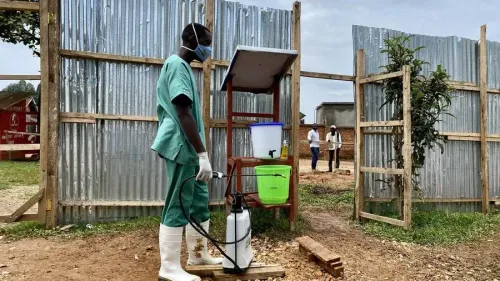
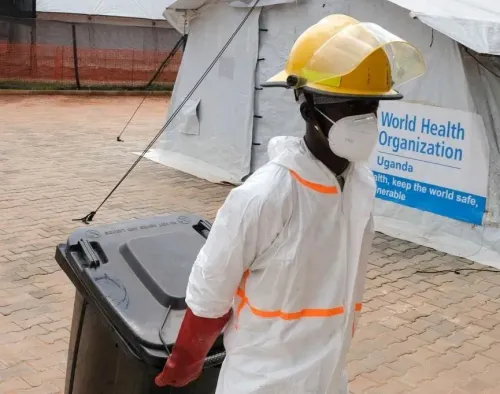
The DRC has mobilised health authorities, local communities, and national, African, and international partners in its containment effort. With the caseload now past the 1,000-mark, pressure is mounting on the regional response architecture to scale up rapidly. Tshisekedi's planned visit to Ituri is expected to signal political commitment at the highest level — a step that health officials say is critical for community trust and on-the-ground resource mobilisation.
Point of View
But the structural barriers to containment — armed conflict, population displacement, broken surveillance chains — are not resolved by a presidential visit. The DRC has been through this before: the 2018–2020 North Kivu outbreak also saw high-level political engagement that did not prevent it from becoming the second-worst Ebola crisis in history. The real question is whether the regional architecture, including the AU's current chair Burundi, can translate solidarity statements into coordinated cross-border surveillance before cases in North and South Kivu establish independent transmission chains.
NationPress
22 Sept 2026
Frequently Asked Questions
How many Ebola cases have been confirmed in the DRC?
As of the latest figures released by Congolese authorities, the DRC has recorded 1,048 confirmed cases and 267 deaths in the current outbreak. The cases are concentrated in Ituri Province, with additional cases reported in North Kivu and South Kivu.
Which Ebola strain is behind the current DRC outbreak?
The outbreak is caused by the Bundibugyo strain of the Ebola virus. It is a distinct variant from the more commonly known Zaire strain and is generally associated with lower case fatality rates, though it remains a serious public health threat.
Why is the Ebola outbreak in eastern DRC so difficult to contain?
The WHO has cited ongoing armed conflict, large-scale population displacement, and constraints on surveillance and response operations as the primary obstacles. Eastern DRC has experienced decades of instability, making it one of the hardest environments globally for epidemic management.
Has Burundi closed its border with the DRC over Ebola?
No. Burundian President Evariste Ndayishimiye confirmed that Burundi has not closed its border with the DRC. Instead, Burundi has adopted preparedness and prevention measures in coordination with Congolese health authorities.
What is the significance of Tshisekedi's planned visit to Ituri?
A presidential visit to the outbreak epicentre is intended to demonstrate political commitment and help build community trust — factors health officials consider critical for effective epidemic response. It follows a national Ebola task force meeting in Kinshasa attended by both Tshisekedi and the AU chair.