Ebola in Congo: UN calls for urgent action as deaths cross 600
Synopsis
The Ebola outbreak in the DRC has claimed over 625 lives and infected 1,792 people since May 15 — and it is still spreading. With Uganda now reporting 20 cases and Ituri province far from contained, the UN's top relief official is sounding the alarm: faster funding, open borders, and a coordinated regional response are no longer optional.
Key Takeaways
1,792 confirmed Ebola cases and 625 deaths recorded in the DRC as of 10 July , with a case fatality rate of 34.1% .
The outbreak was declared on 15 May ; Ituri province in eastern DRC remains the epicentre.
Uganda has confirmed 20 cases , indicating regional spread beyond DRC borders.
UN Under-Secretary-General Tom Fletcher called for faster international action, open supply routes, and flexible donor funding.
DRC Health Minister Samuel Roger Kamba said it is too early to determine when the outbreak will peak.
764 patients are currently in isolation or hospitalisation; 295 have recovered.
UN Under-Secretary-General for Humanitarian Affairs and Emergency Relief Coordinator Tom Fletcher on 10 July issued an urgent call to contain the Ebola outbreak in the Democratic Republic of the Congo (DRC), warning that the virus is spreading beyond its epicentre into conflict-affected provinces where population movement amplifies transmission risk.
Scale of the Outbreak
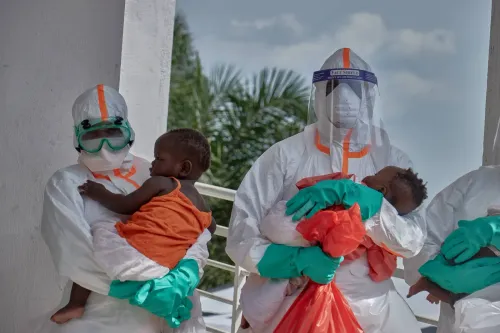
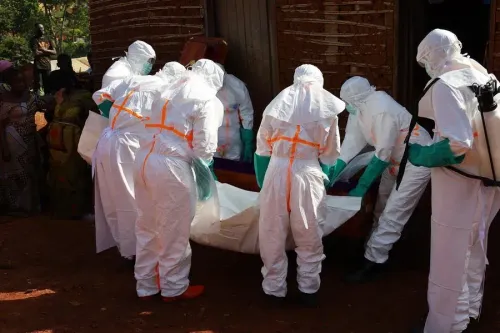
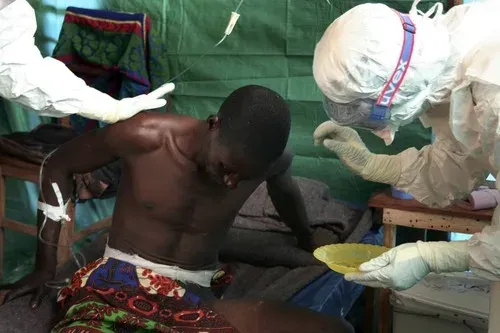
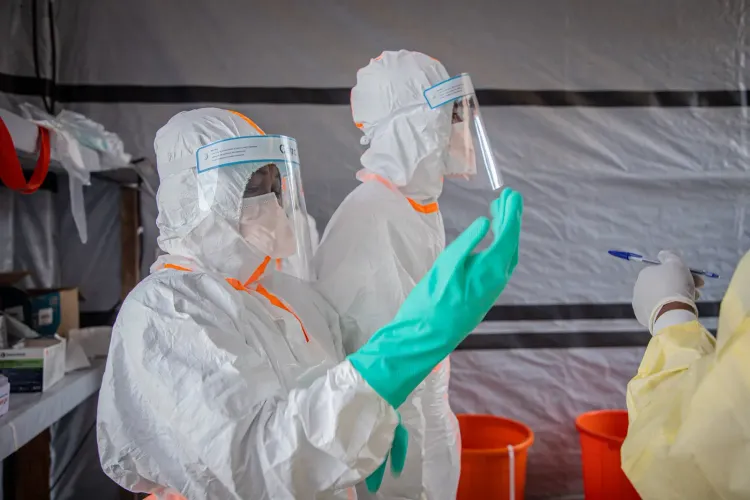
Since the outbreak was officially declared on 15 May, more than 1,700 people have been infected and over 600 have died in the DRC. The latest situation update, posted on Thursday by the DRC's Ministry of Communications and Media, recorded 1,792 confirmed cases, including 625 deaths. A total of 764 patients are currently in isolation or hospitalisation, while 295 patients have recovered. The overall case fatality rate stands at 34.1 per cent. Neighbouring Uganda has confirmed 20 cases, signalling a regional dimension to the crisis.
Ituri Province Remains the Epicentre
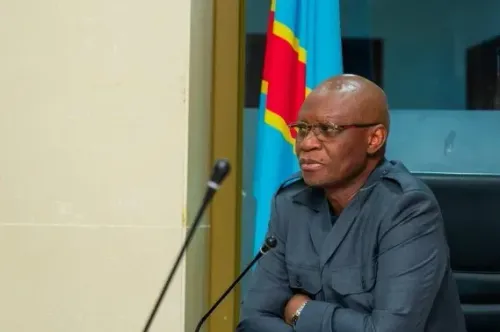
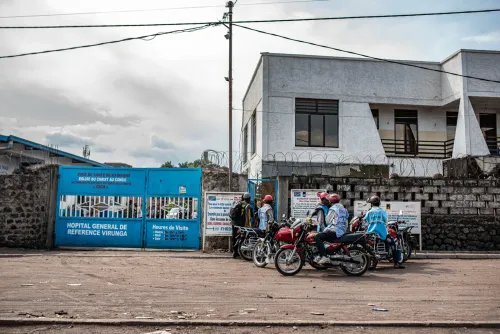
DRC Health Minister Samuel Roger Kamba described the outbreak as still in a 'very active' phase during remarks delivered in Bunia, the capital of eastern Ituri province. Kamba cited high population density, frequent population movement, and local factors complicating community engagement as reasons it was 'still too early to determine when the outbreak would reach its peak.'
Fletcher echoed the concern, stating: 'Ituri province remains the centre of the outbreak, but the virus is spreading across other provinces where conflict and the constant movement of people increase the risk of further transmission.'
A Crisis Compounded by Pre-Existing Emergencies
'This is more than a public health emergency,' Fletcher said, noting that before Ebola struck, millions in the DRC were already facing conflict, hunger, displacement, weak basic services, and limited healthcare access. The outbreak has landed on a population already stretched thin by one of the world's most protracted humanitarian crises.
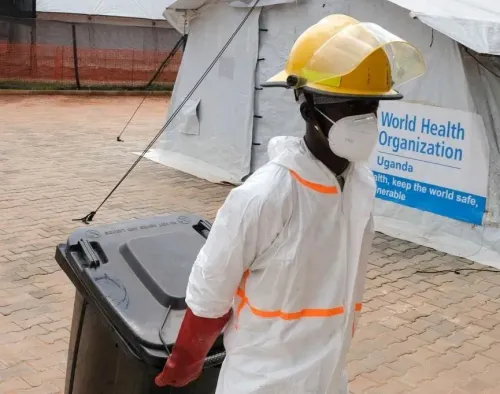
The United Nations said it is scaling up its Ebola response, but Fletcher made clear that multilateral effort alone is insufficient. 'We need to move faster to break the back of Ebola in the Democratic Republic of the Congo,' he said.
What the UN Is Demanding
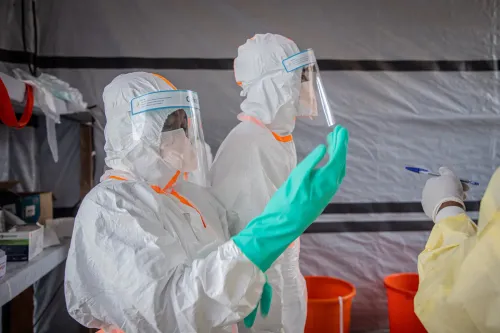
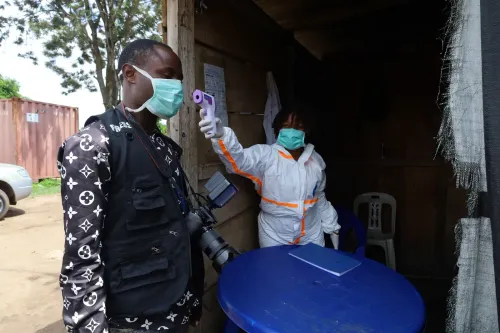
Fletcher called on all parties to facilitate safe and sustained access for humanitarian and health workers, supplies, and response equipment. 'Borders and supply routes must remain open,' he said, adding that 'donors must ensure that pledged funding reaches responders quickly and flexibly.' The UN has also stressed the need to simultaneously sustain the broader humanitarian operation that vulnerable communities depend on, beyond the Ebola-specific response.
What Comes Next
With the outbreak still in an active phase and no clear peak in sight, international health authorities and donor governments face mounting pressure to accelerate both funding and field operations. The spread to Uganda underscores that containment within the DRC's borders alone may be insufficient, and a coordinated regional response is increasingly urgent.
Point of View
But it arrives against a backdrop of chronic donor fatigue on DRC crises. What is missing from the international response so far is a frank reckoning with the fact that conflict-driven displacement — not just weak health infrastructure — is the primary transmission accelerant. Until security conditions in Ituri improve, no amount of isolation beds will break the chain.
NationPress
8 Oct 2026
Frequently Asked Questions
How many people have died in the DRC Ebola outbreak?
As of 10 July, 625 people have died out of 1,792 confirmed cases in the DRC, giving the outbreak a case fatality rate of 34.1%. The outbreak was declared on 15 May.
Which provinces are affected by the Ebola outbreak in the DRC?
Ituri province in eastern DRC is the epicentre of the outbreak. However, UN officials warn the virus is spreading to other provinces where ongoing conflict and population movement are increasing transmission risk.
Has Ebola spread outside the DRC?
Yes. Uganda has confirmed 20 Ebola cases, indicating the outbreak has crossed the DRC's borders and now has a regional dimension requiring coordinated international response.
What is the UN asking donors and governments to do?
UN relief coordinator Tom Fletcher has called on all parties to keep borders and supply routes open, ensure pledged funding reaches responders quickly and flexibly, and guarantee safe access for humanitarian and health workers. The UN is also urging support for the broader humanitarian operation in the DRC, not just the Ebola-specific response.
When will the DRC Ebola outbreak reach its peak?
DRC Health Minister Samuel Roger Kamba said on 10 July that it is still too early to determine when the outbreak will peak, citing high population density, frequent movement of people, and local factors complicating community engagement.