DR Congo Ebola outbreak spreads to 2 more provinces, 600 dead

Synopsis
The DRC's Ebola outbreak has jumped to two new provinces — Tshopo and Haut-Uele — as the death toll hits 600 and bed occupancy reaches 94 per cent. With the peak still undetermined and mobility fuelling spread, Health Minister Roger Kamba warns the epidemic remains 'very active', making this one of the most geographically expansive Ebola waves the country has faced in recent years.
Key Takeaways
DR Congo's Ebola outbreak has expanded to Tshopo and Haut-Uele provinces as of 9 July .
The death toll has reached 600 , with 1,759 confirmed cases recorded.
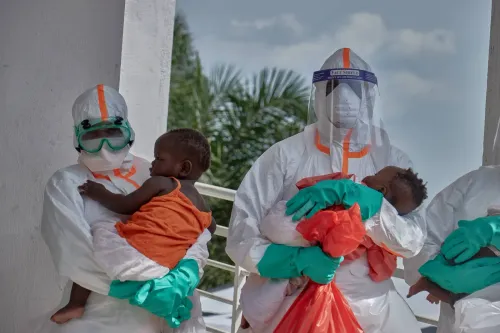
750 patients are in isolation or hospitalisation; bed occupancy stands at 94 per cent .
Ituri Province remains the epicentre; North Kivu is also seeing an active rise in cases.
South Kivu Province may soon be declared outbreak-free — no new cases since 26 May .
Health Minister Roger Kamba says the peak is still undetermined due to high mobility and population density.
The Ebola outbreak in the Democratic Republic of the Congo (DRC) has expanded to two additional provinces — Tshopo and Haut-Uele — as the epidemic remains in a 'very active' phase, Health Minister Roger Kamba confirmed on Thursday, 9 July. The disclosure came during Kamba's visit to Bunia, the provincial capital of Ituri, which continues to serve as the epicentre of the outbreak.
How the Outbreak Has Spread
Health authorities have tracked patients moving from outbreak zones toward Kisangani, the capital of Tshopo Province, and the Wamba area in Haut-Uele Province — developments that have drawn both regions into the formal outbreak response perimeter. Ituri Province remains in an acute growth phase, while North Kivu Province is also recording an active rise in cases.
Minister Kamba cautioned that high population density, strong inter-regional mobility, and local factors complicating community engagement make it currently impossible to project when the outbreak will reach its peak. 'We are still in an active, even very active, phase of the disease,' he said during a health ministry video address released Thursday.
Key Numbers: Deaths, Cases, and Bed Occupancy
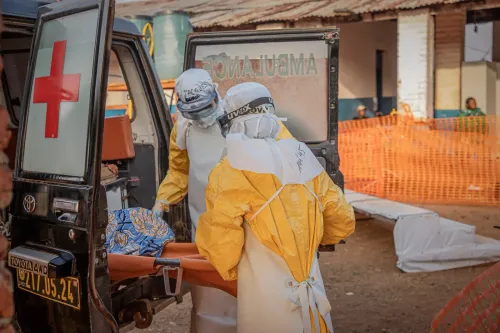
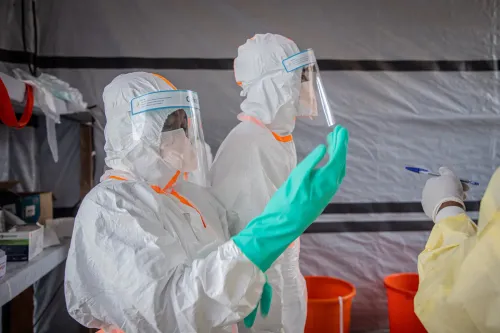
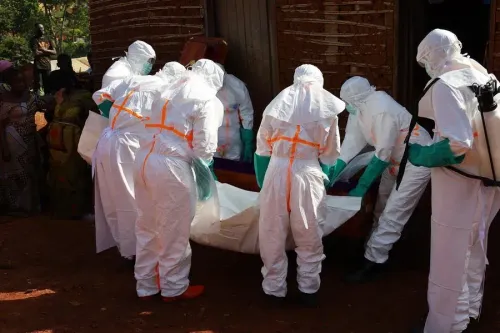
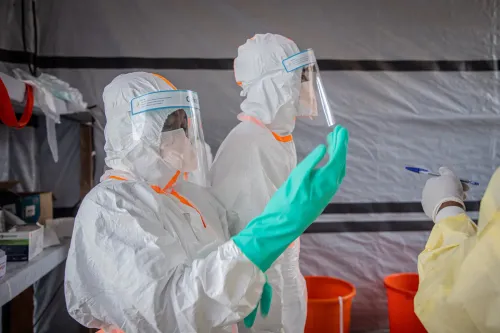
The death toll from the current DRC Ebola outbreak has reached 600, with 1,759 confirmed cases reported, according to the country's health authorities. A total of 750 patients are currently in isolation or hospitalisation, with an overall bed occupancy rate of 94 per cent — a figure that signals severe pressure on treatment infrastructure, based on an update released late Wednesday.
One Province Nearing End of Outbreak
South Kivu Province offers a rare note of cautious optimism: authorities indicated the outbreak could soon be declared over there, as the province has reported no new cases since 26 May, according to a situation report released Wednesday. This marks the first province to approach the threshold for a formal end-of-outbreak declaration in the current wave.
Response Measures and What Comes Next
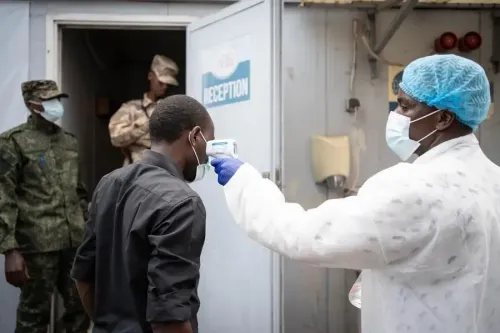
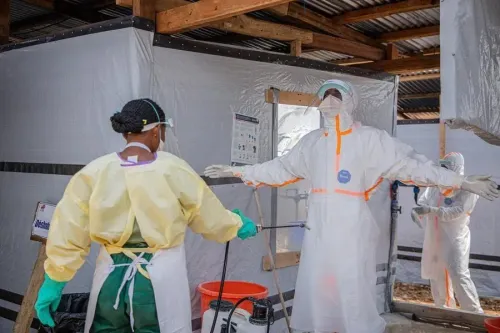
Kamba underscored the urgent need to strengthen surveillance at entry points and checkpoints across affected provinces, and to limit high-risk population movements as much as possible. The geographic expansion to Tshopo and Haut-Uele complicates containment, as both provinces border areas with significant cross-border movement. This is not the DRC's first encounter with Ebola — the country has faced multiple outbreaks over decades, making institutional fatigue and community trust persistent challenges for responders. With bed occupancy at 94 per cent and the peak still undetermined, the coming weeks will be critical for the national response.
Point of View
Resetting the clock. What is striking this time is that the health ministry cannot yet identify a peak, which suggests the surveillance architecture is still chasing the virus rather than getting ahead of it. South Kivu's near-recovery is a genuine bright spot, but with Ituri still in acute growth and North Kivu accelerating, the overall trajectory remains deeply concerning.
NationPress
8 Oct 2026
Frequently Asked Questions
How many people have died in the DR Congo Ebola outbreak?
The death toll from the current Ebola outbreak in the Democratic Republic of the Congo has reached 600, with 1,759 confirmed cases reported as of 9 July, according to the country's health authorities.
Which provinces are now affected by the DRC Ebola outbreak?
The outbreak has spread to Tshopo and Haut-Uele provinces in addition to the epicentre in Ituri and the active zone in North Kivu. Health authorities confirmed the expansion on 9 July after tracking patient movement toward Kisangani and the Wamba area.
When will the DR Congo Ebola outbreak reach its peak?
Health Minister Roger Kamba said it is currently impossible to determine when the outbreak will peak, citing high population density, strong mobility between regions, and local factors that complicate community engagement in affected areas.
Is any province close to ending its Ebola outbreak?
South Kivu Province has reported no new Ebola cases since 26 May and could soon be formally declared free of the outbreak, according to a situation report released Wednesday. It would be the first province in the current wave to reach that threshold.
How stretched are DRC's Ebola treatment facilities?
Treatment capacity is severely strained: 750 patients are currently in isolation or hospitalisation, and the overall bed occupancy rate stands at 94 per cent, according to health authorities' update released late Wednesday.