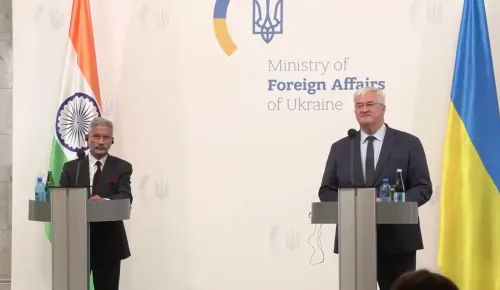
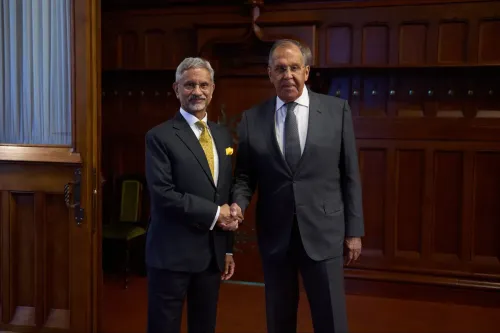
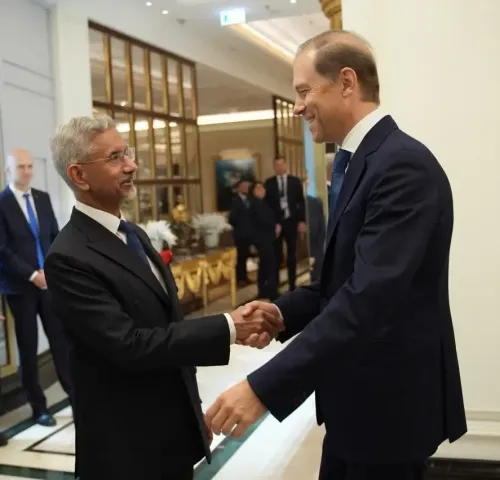
Jaishankar chairs India-Russia meet, backs dialogue to end Ukraine war
Synopsis
Days after Putin publicly praised PM Modi's Ukraine peace ideas at the Valdai Discussion Club, EAM Jaishankar chaired a parliamentary consultative meeting on India-Russia ties and reaffirmed New Delhi's backing for dialogue. The timing underscores India's careful positioning as a credible back-channel actor — simultaneously deepening energy and trade ties with Moscow while pushing for a negotiated end to the war.
Key Takeaways
Jaishankar chaired a consultative committee meeting on India-Russia relations on 3 October 2026 , covering trade, energy, connectivity, and people-to-people ties.
Jaishankar reaffirmed India's 'active support to dialogue and diplomacy to end the Ukraine conflict' in an X post after the meeting.
Russian President Vladimir Putin praised PM Modi's consistent peace efforts at the Valdai Discussion Club in Moscow on Thursday, calling his ideas 'very good' and aimed at 'mutually acceptable solutions.' Last month, PM Modi reiterated the same message to Putin on the sidelines of the 18th BRICS Summit in New Delhi .
The two leaders also discussed conflicts in West Asia and the Black Sea region , which have affected global maritime trade and the safety of Indian seafarers .
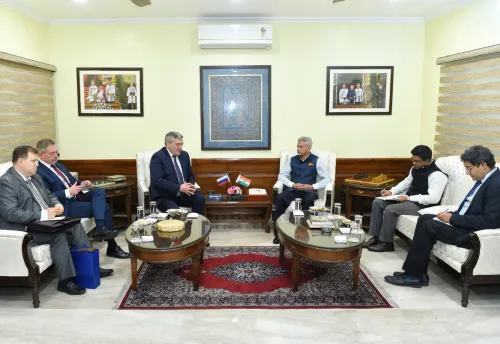
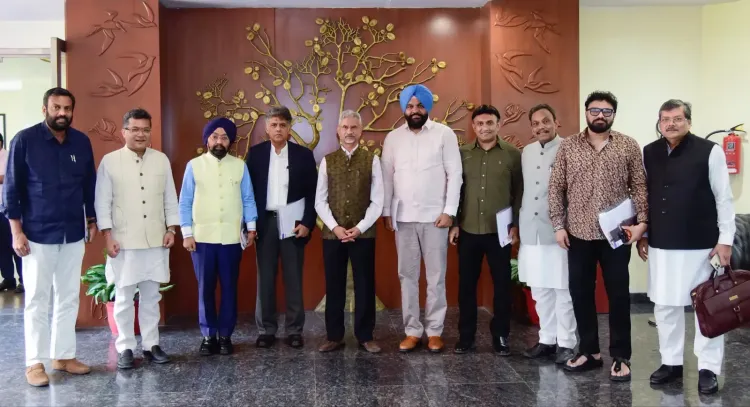
External Affairs Minister S. Jaishankar on Saturday, 3 October 2026, reaffirmed India's steadfast backing for dialogue and diplomacy as the path to resolving the Ukraine conflict, while chairing a parliamentary consultative committee meeting focused on India-Russia relations. The session reviewed the full breadth of bilateral engagement between the two countries across trade, investment, energy, connectivity, culture, and people-to-people ties.
Key Developments at the Meeting
The consultative committee meeting covered what officials described as India and Russia's 'multifaceted engagement.' Sectors discussed included bilateral trade volumes, energy partnerships — a relationship that has deepened significantly since 2022 — cross-border connectivity projects, and cultural exchanges. Jaishankar underscored India's active diplomatic posture on the Ukraine conflict, signalling that New Delhi views itself as a constructive stakeholder rather than a passive observer.
In his post on X following the meeting, EAM Jaishankar wrote: 'Chaired a consultative committee meeting on India - Russia relations. Highlighted various aspects of our multifaceted engagement including in trade, investments, energy, connectivity, culture and P2P domains. As well as our active support to dialogue and diplomacy to end the Ukraine conflict.'
Putin's Praise for PM Modi's Peace Efforts
The meeting comes days after Russian President Vladimir Putin publicly lauded Prime Minister Narendra Modi's persistent efforts to help end the Ukraine conflict. Speaking at the Valdai Discussion Club in Moscow on Thursday, Putin said Modi consistently raises the issue at every bilateral meeting and has offered 'very good ideas' for finding a mutually acceptable solution.
'He is one of those world leaders who, despite our very good, even friendly, relations, and very good personal ties, constantly raises questions about ending the conflict in Ukraine. He always raises these issues at every meeting with us. He is keenly interested, and he has very good ideas aimed at finding mutually acceptable solutions. In this sense, the Prime Minister certainly takes a neutral position, but he is interested in ending the conflict. I simply consider it my duty to state this frankly,' President Putin said.
Putin also expressed gratitude, adding: 'We are grateful to the Prime Minister for his ideas — I won't go into details now — for his commitment to ending this conflict, including peacefully and as quickly as possible.'
Modi's Consistent Diplomatic Push
India's peace overtures are not new. Last month, on the sidelines of the 18th BRICS Summit in New Delhi, PM Modi once again told Putin that dialogue and diplomacy were the only viable path forward. The two leaders also exchanged views on conflicts in West Asia and the Black Sea region, both of which have disrupted global maritime trade and posed direct risks to the safety of Indian seafarers. Modi reiterated that India stands ready to assist in peace efforts across these theatres.
This pattern reflects India's broader strategic posture: maintaining close ties with Moscow while refusing to endorse the military campaign in Ukraine, and simultaneously engaging Western capitals. Critics argue this balancing act has grown increasingly complex as the conflict prolongs and global pressure mounts on neutral states to pick sides.
Why This Matters
India's engagement with Russia carries significant economic weight. Bilateral trade has surged in recent years, driven largely by discounted Russian crude oil imports that have helped cushion domestic fuel prices. Energy dependency adds a layer of complexity to New Delhi's diplomatic calculus. At the same time, India's articulation of a 'neutral but engaged' stance on Ukraine aligns with its longstanding doctrine of strategic autonomy — a posture that has drawn both appreciation from the Global South and scrutiny from Washington and Brussels.
With no ceasefire in sight, India's continued advocacy for dialogue keeps it relevant as a potential back-channel facilitator, even as formal peace negotiations remain stalled. The next round of India-Russia bilateral consultations and any follow-up diplomatic contacts will be closely watched for signals of progress.
Frequently Asked Questions
What was discussed at the India-Russia consultative committee meeting chaired by Jaishankar?
The meeting, chaired by EAM S. Jaishankar on 3 October 2026, reviewed bilateral engagement across trade, investment, energy, connectivity, culture, and people-to-people ties. Jaishankar also highlighted India's active support for dialogue and diplomacy to end the Ukraine conflict.
What did Putin say about PM Modi's role in the Ukraine conflict?
At the Valdai Discussion Club in Moscow on Thursday, Russian President Vladimir Putin said PM Modi consistently raises the issue of ending the Ukraine conflict at every bilateral meeting and has offered 'very good ideas' for a mutually acceptable solution. Putin said he felt it his 'duty' to state this openly and expressed gratitude for Modi's commitment to a peaceful resolution.
What is India's official position on the Ukraine conflict?
India has maintained a position of strategic neutrality, declining to formally condemn Russia's military campaign while repeatedly advocating for dialogue and diplomacy as the path to resolution. New Delhi describes this stance as 'active support' for peace rather than passive neutrality.
How does India's trade relationship with Russia affect its diplomatic stance?
India's bilateral trade with Russia has grown significantly since 2022, driven largely by discounted Russian crude oil imports that have helped moderate domestic fuel prices. This energy dependency adds complexity to India's diplomatic calculus, as it maintains close economic ties with Moscow while calling for an end to the conflict.
What did Modi and Putin discuss at the BRICS Summit?
On the sidelines of the 18th BRICS Summit in New Delhi last month, PM Modi again told Putin that dialogue and diplomacy were the way forward. The two leaders also exchanged views on conflicts in West Asia and the Black Sea region, which have disrupted maritime trade and endangered Indian seafarers.