Jaishankar to visit Ukraine, Poland on Sep 3-5 for bilateral talks
Synopsis
EAM Jaishankar's back-to-back visits to Kyiv and Warsaw are not routine diplomatic courtesy calls — they signal India's intent to stay actively engaged on the Ukraine conflict even as New Delhi refuses to pick sides. With the Black Sea crisis threatening global food security and India's own shipping interests, the visit tests whether India's 'dialogue and diplomacy' posture can translate into tangible influence.
Key Takeaways
Jaishankar will visit Ukraine and Poland from 3 to 5 September on an official diplomatic trip.
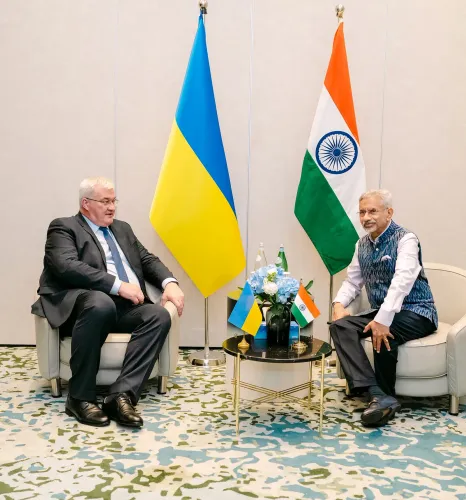
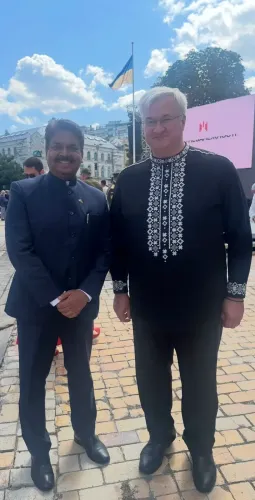
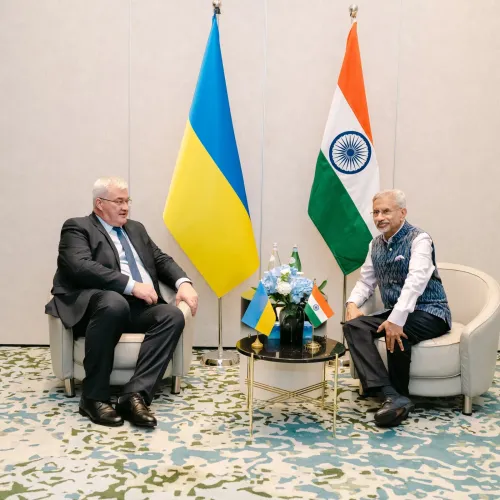
He will meet Ukrainian Foreign Minister Andrii Sybiha and Polish Deputy Prime Minister Radoslaw Sikorski .
The visit follows a 26 August phone call between Jaishankar and Sybiha focused on the Black Sea crisis.
Ukraine has warned that Russian attacks on its ports threaten global food security for millions of families worldwide .
India has reaffirmed its stance as a 'steadfast advocate of dialogue and diplomacy' on the Ukraine conflict.
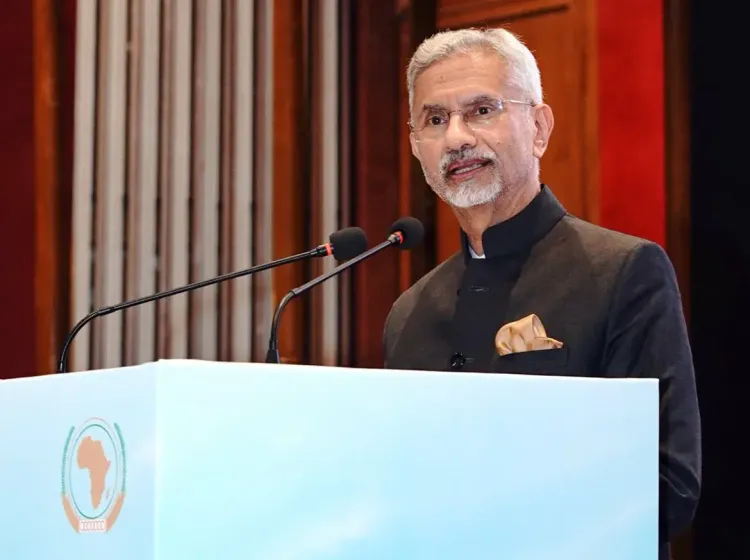
External Affairs Minister S. Jaishankar is set to undertake an official visit to Ukraine and Poland from 3 to 5 September, the Ministry of External Affairs (MEA) confirmed on 2 September. The trip marks a significant diplomatic outreach by New Delhi as the war in Ukraine continues to reshape global food and energy supply chains.
Key Meetings on the Agenda
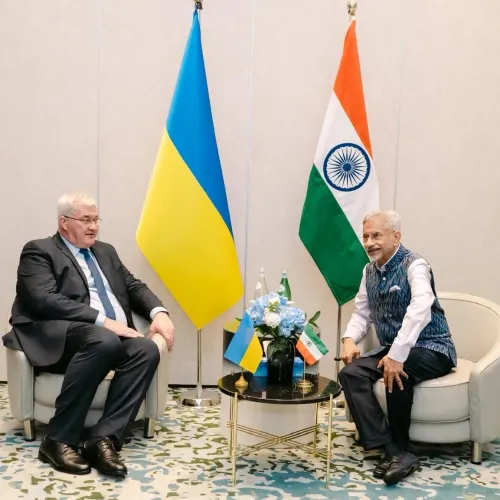
During the visit, Jaishankar is scheduled to hold bilateral talks with his Ukrainian counterpart, Foreign Minister Andrii Sybiha, and with Poland's Deputy Prime Minister Radoslaw Sikorski. The MEA stated that the visit 'will focus on enhancing bilateral relations and also provide an opportunity to exchange views on regional developments and issues of mutual interest.'
The visit follows a telephonic conversation between Jaishankar and Sybiha on 26 August, during which the Ukrainian minister briefed his Indian counterpart on the deteriorating situation in the Black Sea.
The Black Sea Crisis: What Was Discussed
The Black Sea has escalated into a highly volatile economic and military choke point, with both Russia and Ukraine launching intensive, daily attacks on each other's commercial shipping, port infrastructure, and energy pipelines. Sybiha, in a post on X, said: 'I had a phone call with India's External Affairs Minister S. Jaishankar. I briefed him on the difficult situation in the Black Sea as a result of Russian aggression against Ukraine and intensified attacks on our ports and maritime routes.'
The Ukrainian minister further warned that Russian strikes on Ukrainian ports were not merely a bilateral concern. 'I underscored that Russia's attempts to disrupt Ukrainian food exports pose a direct threat to global food security, reaching far beyond our region and putting millions of families worldwide at risk,' Sybiha said. Both sides discussed concrete steps to 'restore and secure freedom of navigation in the Black Sea.'
India's Position: Dialogue and Diplomacy
Jaishankar confirmed that the conversation centred on the resumption of commerce in the Black Sea and the safety of seafarers. 'India remains a steadfast advocate of dialogue and diplomacy,' he stated, reaffirming New Delhi's longstanding position of non-alignment on the conflict while pressing for humanitarian and trade stability.
Notably, this visit comes amid India's broader effort to maintain open channels with both Kyiv and Moscow — a balancing act that has drawn scrutiny from Western partners but has also positioned India as a potential back-channel interlocutor. Prime Minister Narendra Modi's visit to Kyiv in August 2024 marked the first by an Indian prime minister to Ukraine, and Jaishankar's upcoming trip appears to build on that diplomatic momentum.
Why Poland Matters
Poland, which shares a border with Ukraine and has emerged as a key logistical and humanitarian hub for the war effort, is an increasingly important partner for India in Central Europe. Talks with Deputy Prime Minister Sikorski are expected to cover bilateral trade, defence cooperation, and the broader European security architecture — areas where Warsaw's influence has grown considerably since 2022.
With the conflict showing no signs of resolution, Jaishankar's visit will be closely watched for any signals on India's evolving diplomatic posture and whether New Delhi is prepared to play a more active mediation role.
Point of View
A contradiction that Kyiv has noted with increasing frustration. The Black Sea shipping crisis adds a concrete Indian interest — seafarer safety and grain trade — that gives this visit more than symbolic weight. Whether India converts that interest into any form of mediation leverage, or simply reiterates its standard non-alignment formula, will define the diplomatic yield of the trip.
NationPress
2 Sept 2026
Frequently Asked Questions
Why is EAM Jaishankar visiting Ukraine and Poland?
Jaishankar is visiting Ukraine and Poland from 3 to 5 September to hold bilateral talks focused on enhancing relations and exchanging views on regional developments. The visit also follows a recent phone call with Ukrainian Foreign Minister Andrii Sybiha on the Black Sea crisis and global food security.
Who will Jaishankar meet during his Ukraine and Poland visit?
He is scheduled to meet Ukrainian Foreign Minister Andrii Sybiha in Kyiv and Polish Deputy Prime Minister Radoslaw Sikorski in Warsaw. Both meetings are expected to cover bilateral cooperation and broader regional security issues.
What is the Black Sea crisis and why does it concern India?
The Black Sea has become a volatile military and economic choke point, with Russia and Ukraine attacking each other's commercial shipping, ports, and energy pipelines. India has flagged concerns over seafarer safety and the disruption of grain trade, which affects global food security.
What is India's official position on the Ukraine conflict?
India has consistently described itself as a 'steadfast advocate of dialogue and diplomacy,' refraining from directly condemning Russia while calling for peaceful resolution. Jaishankar reiterated this position during his 26 August phone call with Ukraine's foreign minister.
How does this visit relate to PM Modi's earlier trip to Ukraine?
Prime Minister Narendra Modi visited Kyiv in August 2024 — the first visit by an Indian prime minister to Ukraine — establishing a diplomatic channel with Kyiv. Jaishankar's upcoming trip is seen as a follow-up to sustain that engagement at the ministerial level.