African Union and Allies Highlight Economic Risks from Ongoing Middle East Conflict
Synopsis
As the conflict in the Middle East escalates, the African Union and its partners warn of serious economic repercussions for Africa, including potential declines in GDP and rising costs of living. The need for urgent action is emphasized to mitigate these risks.
Key Takeaways
The AU warns of significant economic risks from the Middle East conflict.
A potential GDP decline of 0.2 percentage points is projected if the conflict continues.
Vulnerable households will be hardest hit by rising costs.
Strategies to enhance resilience include boosting energy security and fiscal stability.
The conflict may exacerbate existing regional tensions in Africa.
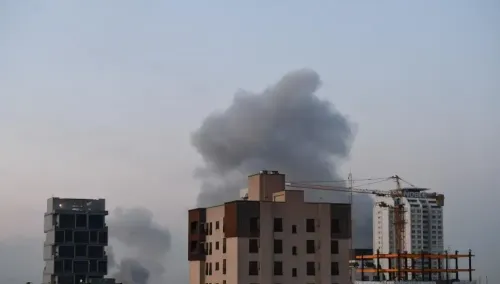
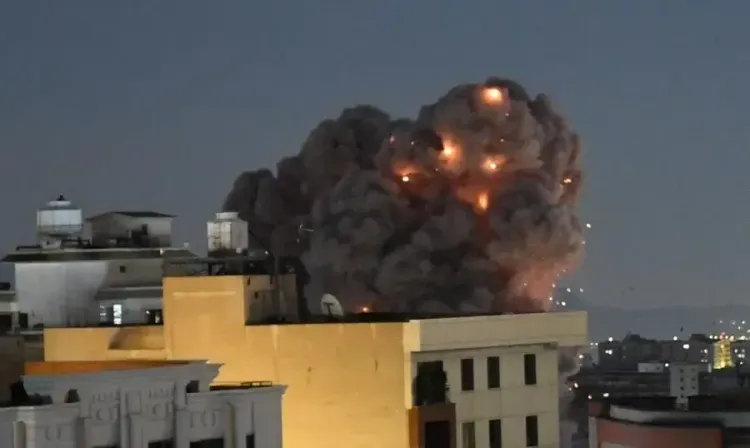
Addis Ababa, April 6 (NationPress) The African Union (AU) and its collaborators have issued a warning that the ongoing conflict in the Middle East presents a significant threat to the economies of Africa.
In a coordinated policy document, the AU, along with the United Nations (UN) Economic Commission for Africa, the African Development Bank, and the UN Development Program, cautioned that prolonged conflict and escalating disruptions to shipping routes, energy, and fertilizer supplies could lead to a marked deceleration in economic growth across the continent, as reported by Xinhua news agency.
With a majority of African nations currently experiencing growth rates below those seen prior to the COVID pandemic, the brief anticipates a potential decline in output growth of 0.2 percentage points for Africa's gross domestic product by 2026 if the conflict persists beyond six months.
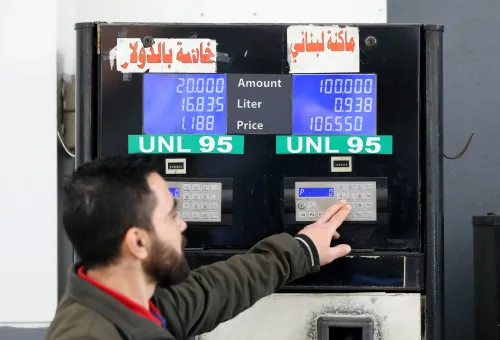
The organizations emphasized that the conflict has already caused a trade shock which could quickly spiral into a cost-of-living crisis due to rising fuel and food prices. Increased shipping expenses, surging insurance premiums, currency exchange pressures, and stricter fiscal conditions could exacerbate the crisis, disproportionately affecting vulnerable households.
The Middle East is responsible for 15.8% of Africa's imports and 10.9% of its exports, underlining the critical ramifications of the current situation for African economies, according to the brief.
Notably, the brief highlighted that disruptions in fertilizer supplies may be more impactful than oil shocks for certain nations, indicating that interruptions in Gulf liquid natural gas supplies could hinder ammonia and urea production, driving up fertilizer prices during the crucial planting season from March to May.
It warned that this trend will further elevate food prices, hitting vulnerable households the hardest and severely impacting food security across Africa.
Concern was also expressed regarding potential geopolitical spillover effects that could alter Africa's security landscape, with warnings that an expanded conflict could heighten competition for influence in Africa, evidenced by ongoing regional conflicts in Sudan, Somalia, and Libya that reflect external sponsorship.
The brief underscored the necessity of bolstering energy security, protecting and restoring fiscal stability, accelerating the implementation of the African Continental Free Trade Area, and creating financial safety nets across Africa as vital approaches to enhance resilience.
Frequently Asked Questions
How does the Middle East conflict affect African economies?
The ongoing conflict disrupts shipping routes and supply chains, leading to potential declines in GDP and increased costs of living across Africa.
What are the key organizations involved in this warning?
The warning comes from the African Union, the UN Economic Commission for Africa, the African Development Bank, and the UN Development Program.
What is the projected impact on Africa's GDP?
If the conflict lasts more than six months, Africa may see a decline in output growth of 0.2 percentage points by 2026.
What measures are recommended to mitigate these risks?
Strengthening energy security, restoring fiscal space, and accelerating the implementation of the African Continental Free Trade Area are crucial strategies.
What is the potential fallout for food security?
Rising fertilizer costs and food prices could severely impact food security, especially for vulnerable households in Africa.