African leaders warn Middle East conflict is fuelling Africa's economic crisis
Synopsis
At the African Union's 49th Executive Council session in Addis Ababa, senior African leaders delivered a stark warning: the resumed Iran-US conflict in the Middle East is not a distant crisis — it is already driving runaway inflation, disrupting supply chains through the Strait of Hormuz, and pushing food and energy prices to crisis levels across Africa. The AU Commission chief said the pain could last months, while Ethiopia's foreign minister called on Africa to stop absorbing global shocks and start shaping global outcomes.
Key Takeaways
African leaders raised alarm at the 49th AU Executive Council session in Addis Ababa on 29 July 2025 over the Middle East conflict's economic impact on Africa.
AU Commission chairperson Mahmoud Ali Youssouf said the closure of the Strait of Hormuz has disrupted supply chains, sending energy, grain, and fertiliser prices soaring.
UNECA and UNDP assessments indicate the economic fallout for Africa is likely to last for months.
UNECA executive secretary Claver Gatete warned Africa must shift toward domestic resource mobilisation, as external financing can no longer be relied upon.
Ethiopia's Foreign Minister Gedion Timothewos called on Africa to become a 'strategic actor' capable of providing African solutions to global challenges.
The session is held under the AU's 2026 theme focused on water availability, sanitation, and the goals of Agenda 2063 .
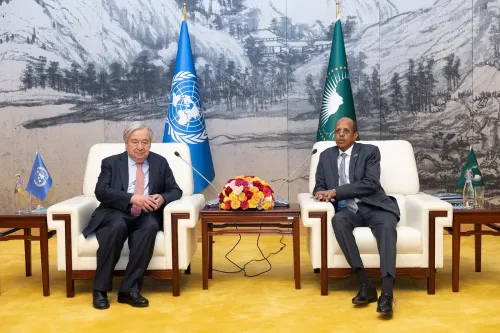
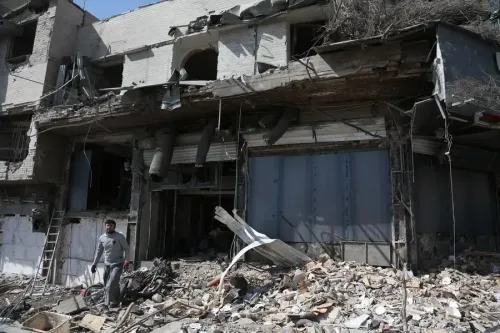
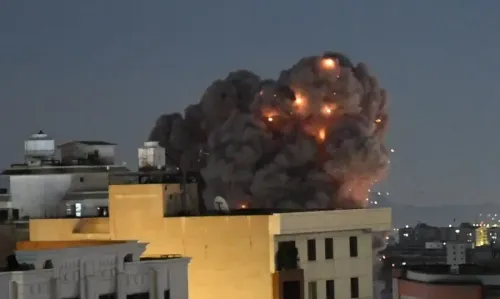
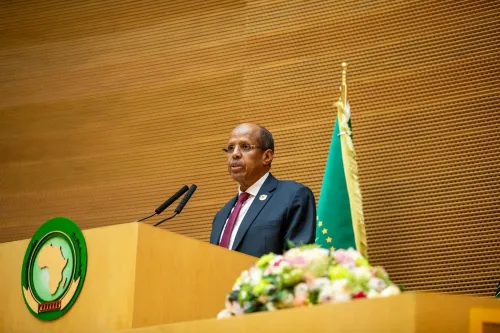
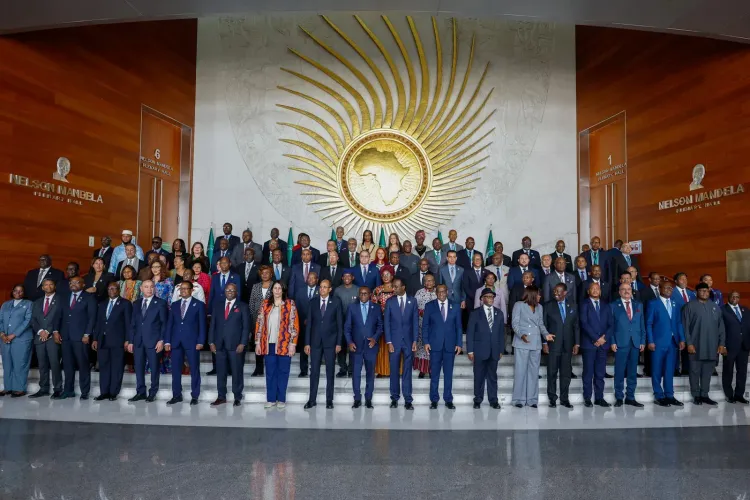
African leaders on Tuesday, 29 July 2025 raised urgent alarm over the resumption of hostilities in the Middle East, warning that the conflict is inflicting severe economic pain across the African continent through energy shocks, supply chain disruptions, and soaring prices for food and fertiliser. The concerns were voiced at the 49th Ordinary Session of the Executive Council of the African Union (AU), held in Addis Ababa, Ethiopia.
Africa Bearing the Brunt, Says AU Commission Chief
Mahmoud Ali Youssouf, chairperson of the AU Commission, said Africa is disproportionately absorbing the fallout from the Middle East crisis, with multiple countries on the continent grappling with a high cost of living driven by surging energy prices.
'The resumption of the conflict between Iran and the United States is causing runaway inflation. The supply chain is disrupted due to the closure of the Strait of Hormuz. The Bab el-Mandeb Strait is also threatened. Energy, grain and fertiliser prices are soaring,' Youssouf said at the session. He added that assessments by the United Nations Economic Commission for Africa (UNECA) and the United Nations Development Programme (UNDP) indicate the fallout is likely to persist for months.
UNECA Flags Cascading Global Risks
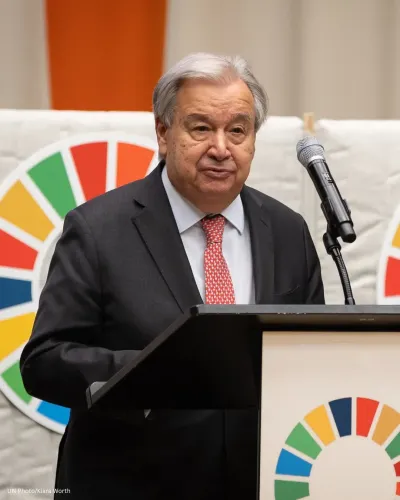
Claver Gatete, executive secretary of UNECA, described the global environment as increasingly uncertain, pointing to simultaneous spikes in energy, food, and fertiliser prices as a direct consequence of the ongoing Middle East conflict.
'Trade tensions, geopolitical fragmentation, conflicts including the conflict in the Middle East, climate shocks, declining development finance and high debt-servicing costs continue to impact investment and development prospects in Africa,' Gatete said. He stressed that Africa can no longer rely indefinitely on external financing and must mobilise more development capital from domestic sources.
Ethiopia Calls for Africa to Shape the New Global Order
Gedion Timothewos, Foreign Minister of Ethiopia, said the foundations of the global order are undergoing profound transformation, with Africa bearing the brunt of compounding pressures — geopolitical tensions, technological disruption, climate stress, and intensifying competition over strategic resources.
'We need to seize the moment to actively shape the contours of the new reality. We must become a strategic actor capable of providing African solutions to global challenges,' Timothewos said, adding that despite these headwinds, Africa is positioned to be the engine of global growth in the second half of the 21st century.
Session Agenda and AU's 2026 Theme
The two-day session, which brought together African foreign ministers, is held under the AU's 2026 theme: 'Assuring Sustainable Water Availability and Safe Sanitation Systems to Achieve the Goals of Agenda 2063.' Delegates are expected to produce new strategies addressing Africa's most pressing challenges, including universal access to safe water, hygiene, and sanitation across the continent.
This comes amid a broader pattern of Africa absorbing the secondary shocks of conflicts and geopolitical crises centred elsewhere — a vulnerability that AU leaders say demands a structural shift toward self-reliance and continental economic integration.
Point of View
Not incidental. The continent's dependence on imported energy and food — combined with high debt-servicing burdens and thin fiscal buffers — means every geopolitical rupture elsewhere translates into a cost-of-living crisis at home. The AU session's rhetoric about domestic resource mobilisation is not new; it has been a recurring theme for over a decade. The harder question is whether the bloc can move from diagnosis to binding policy — particularly on intra-African trade, energy diversification, and debt restructuring — before the next external shock arrives. The Strait of Hormuz closure is a reminder that Africa's economic sovereignty remains hostage to waterways it does not control.
NationPress
27 Oct 2026
Frequently Asked Questions
Why are African leaders concerned about the Middle East conflict?
African leaders say the resumed conflict between Iran and the United States is driving runaway inflation, disrupting global supply chains through the closure of the Strait of Hormuz, and pushing energy, grain, and fertiliser prices to crisis levels across Africa. The AU Commission chairperson warned the fallout could last for months based on UNECA and UNDP assessments.
What is the 49th Ordinary Session of the AU Executive Council?
It is a high-level meeting of African foreign ministers convened by the African Union in Addis Ababa, Ethiopia, to deliberate on the continent's pressing political, economic, and security challenges. The 49th session, held on 29 July 2025, focused on the economic impact of the Middle East conflict and strategies for Africa's development under the AU's 2026 theme.
How is the Strait of Hormuz closure affecting Africa?
The closure of the Strait of Hormuz — a critical global oil and gas transit route — has disrupted energy supply chains worldwide, contributing to soaring energy and food prices in Africa. AU Commission chairperson Mahmoud Ali Youssouf also flagged the Bab el-Mandeb Strait as additionally threatened, compounding the disruption.
What did UNECA say about Africa's development prospects?
UNECA executive secretary Claver Gatete said the global environment has become increasingly uncertain due to the Middle East conflict, trade tensions, climate shocks, and declining development finance. He stressed that Africa must reduce its dependence on external financing and mobilise more development capital from domestic resources.
What is the AU's 2026 theme and how does it relate to the session?
The AU's 2026 theme is 'Assuring Sustainable Water Availability and Safe Sanitation Systems to Achieve the Goals of Agenda 2063.' The 49th Executive Council session is expected to produce new strategies on universal access to safe water, hygiene, and sanitation across Africa, alongside addressing the economic fallout from the Middle East conflict.