AU, UN chiefs warn external meddling is fuelling Africa's security crisis
Synopsis
The heads of the African Union and the United Nations stood together in Addis Ababa on 14 May to deliver an unusually blunt joint warning: outside powers — supplying money, ammunition, fighters, and drones — are the primary engine of Africa's worst security crises. The call for African-led mediation, backed by a new AU-UN declaration, puts the international community on notice that the era of proxy interference must end.
Key Takeaways
AU Commission Chairperson Mahmoud Ali Youssouf and UN Secretary-General António Guterres jointly condemned external interference in African conflicts on 14 May 2025 in Addis Ababa .
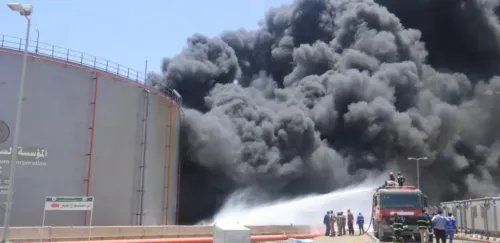
External actors are reportedly supplying financial resources, ammunition, and fighters to conflict zones including the Sahel, Sudan, Horn of Africa , and eastern DRC .
Guterres called such interference 'absolutely intolerable' and specifically denounced countries supplying non-African-made drones targeting civilians.
Youssouf stated that the AU must lead all peace negotiations on the continent, based on the principle of African solutions to African conflicts.
The two leaders signed a new AU-UN partnership declaration to strengthen coordinated crisis management.
Neither leader named specific countries responsible for the interference.
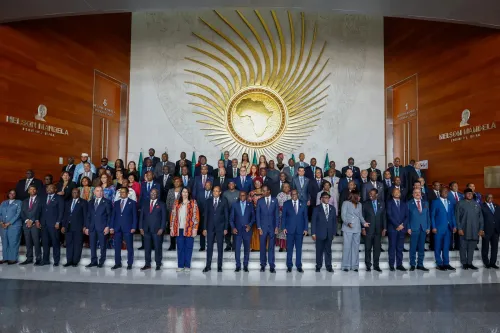
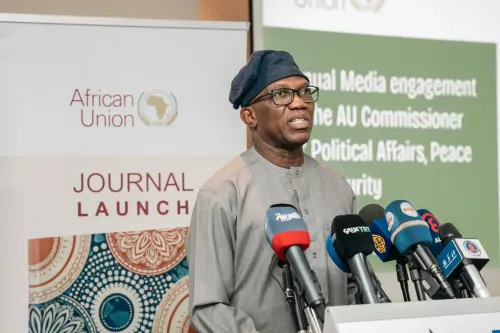
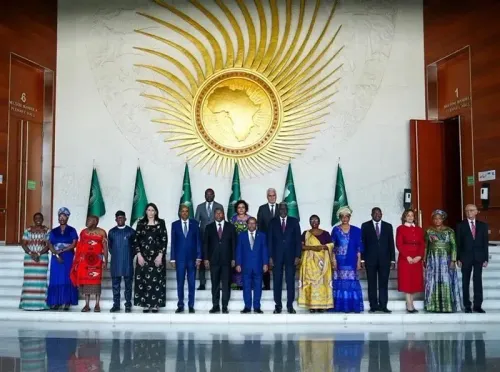
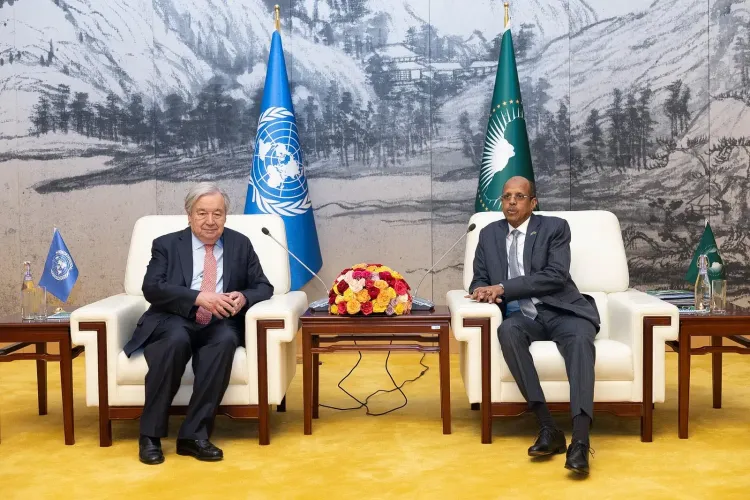
African Union (AU) Commission Chairperson Mahmoud Ali Youssouf and United Nations (UN) Secretary-General António Guterres jointly warned on Wednesday, 14 May that external interference — including the supply of weapons, fighters, and finances — is the primary driver of escalating security crises across Africa. The two leaders spoke at a joint press conference at the AU headquarters in Addis Ababa, Ethiopia, following the signing of a new declaration to strengthen the AU-UN partnership.
What the AU Commission Chairperson Said
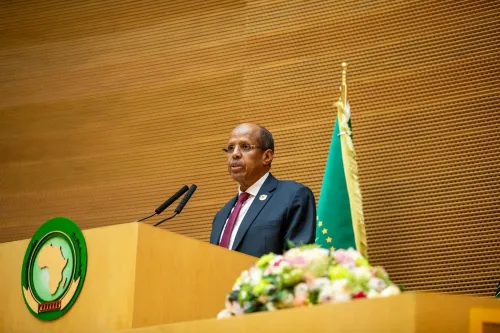
'Most of the security crises on the continent are fueled from abroad. Financial resources, ammunition, sometimes even fighters come to fight another war from other continents,' Youssouf told reporters. He identified the Sahel, Sudan, the Horn of Africa, and eastern Democratic Republic of the Congo as the most acutely affected regions.
Youssouf went further, alleging that external actors are actively disrupting mediation and peace resolution processes — not merely arming combatants. He insisted that the AU must lead any peace negotiations on the continent, invoking the principle of 'African solutions to African conflicts.' The interference, he said, is forcing the AU, UN, and partner organisations to commit disproportionate resources just to contain — let alone resolve — ongoing crises.
Guterres Calls Interference 'Absolutely Intolerable'
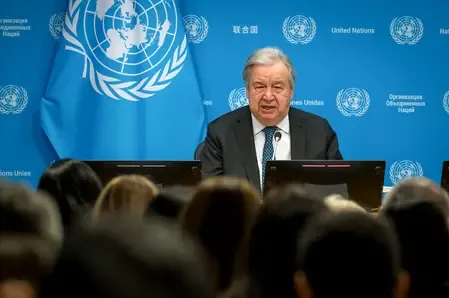
Guterres was unambiguous in his condemnation. 'It is absolutely intolerable that countries that are external to Africa interfere in African conflicts, providing weapons and political support to serve their strategic or economic interests,' he said. He called for coordinated diplomacy to 'create the conditions for this kind of interference to cease.'
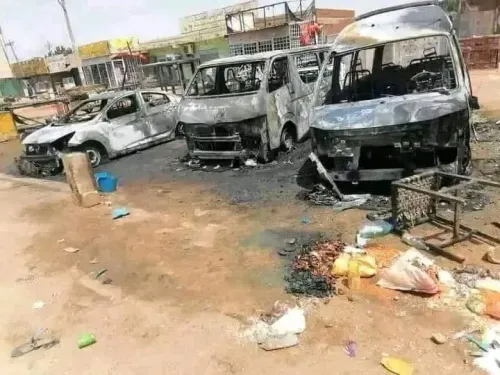
The UN chief also flagged an emerging pattern in modern African conflict: wars in which regular militaries do not confront each other directly but instead deploy drones against civilian populations. 'We also raise our voices, denouncing those countries that are providing drones that are not manufactured in Africa, as they are causing terrible sacrifice for the African people,' Guterres added.
The New AU-UN Declaration
The joint statement came on the back of a freshly signed declaration aimed at deepening institutional cooperation between the two bodies. While the specific provisions of the declaration were not detailed at the press conference, the signing signals a renewed commitment to coordinated crisis management at a time when African theatres of conflict are drawing in an increasing number of external state and non-state actors.
Why This Matters
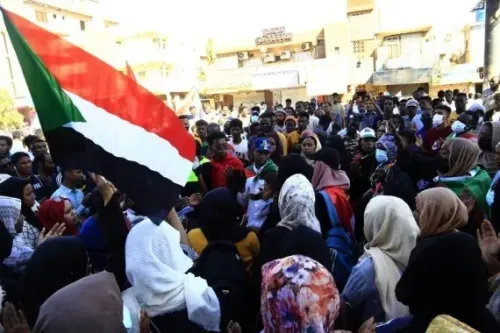
The warnings from Addis Ababa arrive at a moment of heightened instability across multiple African sub-regions. The Sahel has seen a wave of military coups since 2020, with several new governments expelling Western forces and reportedly inviting private military operators. In eastern DRC, the conflict has intensified sharply in 2025, with allegations of cross-border arms flows from multiple directions. Sudan's civil war, now in its third year, has drawn in regional powers accused of supplying rival factions.
Notably, both leaders stopped short of naming specific countries, but the reference to non-African drones and external fighters points to a well-documented pattern that analysts and human rights organisations have flagged for years. The call for African-led mediation also implicitly pushes back against unilateral interventions by global powers under the guise of security partnerships.
The next test will be whether the renewed AU-UN framework translates into concrete diplomatic pressure on external actors — or remains a statement of principle.
Point of View
Drones, fighters, political cover) without naming the perpetrators reflects a deliberate diplomatic calibration: strong enough to put external actors on notice, careful enough not to rupture specific bilateral relationships. The harder question is enforcement. Past AU-UN declarations have not stopped the arms flows into Sudan or the Sahel. Until the new partnership declaration includes concrete accountability mechanisms — sanctions referrals, arms embargo monitoring, named violators — this risks being another statement of principle that external actors can safely ignore. The invocation of 'African solutions to African conflicts' also carries an internal tension: the AU itself has struggled to fund and deploy its own peace missions without Western or Gulf financial backing.
NationPress
20 Sept 2026
Frequently Asked Questions
What did the AU and UN leaders warn about at their Addis Ababa press conference?
AU Commission Chairperson Mahmoud Ali Youssouf and UN Secretary-General António Guterres warned on 14 May 2025 that external interference — including weapons, fighters, finances, and drones — is the primary driver of security crises across Africa. They spoke after signing a new AU-UN partnership declaration in Addis Ababa.
Which African regions were identified as most affected by external interference?
Youssouf specifically named the Sahel, Sudan, the Horn of Africa, and eastern Democratic Republic of the Congo as the regions most severely impacted by externally fuelled conflict.
What did Guterres say about drones in African conflicts?
Guterres said the world is witnessing a new kind of warfare where drones are launched against civilians rather than militaries fighting each other directly. He denounced countries supplying non-African-manufactured drones, calling the resulting civilian toll a 'terrible sacrifice for the African people.'
What is the AU's position on who should lead peace negotiations in Africa?
Youssouf stated that the AU must lead any peace negotiations on the continent, grounded in the principle of African solutions to African conflicts. He argued that external interference is actively disrupting existing mediation and resolution processes.
What was signed between the AU and UN at the Addis Ababa meeting?
The two organisations signed a new declaration to enhance the AU-UN partnership, aimed at deepening institutional cooperation on peace and security. Specific provisions of the declaration were not detailed at the press conference.