UNHCR warns Mideast crisis hits global aid supply chains, costs up 18%
Synopsis
The Middle East conflict is no longer just a regional crisis — it's quietly strangling global humanitarian supply chains. With freight rates up 18%, transport capacity down 20 percentage points, and some aid costs more than doubled, UNHCR's warning from Geneva signals a cascading threat to millions of refugees from Sudan to South Sudan who had nothing to do with the conflict.
Key Takeaways
UNHCR spokesperson Carlotta Wolf warned on 2 May that the Middle East crisis is severely disrupting global humanitarian aid supply chains.
Freight rates from key sourcing countries have risen by nearly 18 per cent since hostilities began.
UNHCR's global transport provider capacity has fallen from 97% to 77% since the start of the year.
Aid costs for shipments from Dubai stockpiles to Sudan and Chad operations have more than doubled .
In Kenya , a 15% fuel price hike has delayed shipments to Ethiopia , DR Congo , and South Sudan .
Rerouting around the Cape of Good Hope adds up to 25 days to delivery times.
The United Nations High Commissioner for Refugees (UNHCR) has warned that the Middle East crisis is generating severe ripple effects on global humanitarian supply chains, hampering the delivery of aid to millions of refugees and displaced people worldwide. UNHCR spokesperson Carlotta Wolf issued the warning at a regular press briefing in Geneva on 2 May, citing disruptions to key maritime routes and a sharp rise in logistics costs.
Key Disruptions to Maritime Routes
Heightened insecurity around critical Gulf routes, including the Strait of Hormuz, has disrupted maritime traffic and forced aid agencies to rely on longer, more expensive alternatives. According to Wolf, freight rates from key sourcing countries have risen by nearly 18 per cent since the start of hostilities. Meanwhile, the capacity of UNHCR's global transport providers has dropped from 97 per cent to 77 per cent since the beginning of this year.
The closure of critical sea lanes has added significant operational complexity, with rerouting shipments around the Cape of Good Hope adding up to 25 days in delivery times, Wolf noted.
Costs Have More Than Doubled for Some Operations
The financial strain on humanitarian operations has been acute. "For some shipments, costs have more than doubled, such as transport costs for relief items from UNHCR global stockpiles in Dubai to our Sudan and Chad operations," Wolf said. Rising fuel, food, and freight costs are compounding the crisis, driving up prices and delaying the delivery of critical supplies across multiple regions.
These escalating costs, Wolf warned, "disproportionately affect people who are already living in emergencies, including millions of refugees and displaced people who are among the hardest hit, while also reducing the ability of aid agencies to deliver timely assistance."
Africa Bears a Disproportionate Burden
The UNHCR spokesperson expressed particular concern about the impact on Africa, home to many overlapping displacement crises that are, in her words, "often tragically neglected." In Kenya, where one of UNHCR's global stockpiles is located, a recent fuel price increase of around 15 per cent has triggered delays and reduced truck availability for shipments to Ethiopia, the Democratic Republic of the Congo, and South Sudan.
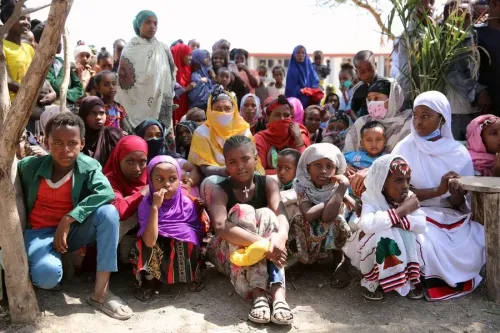
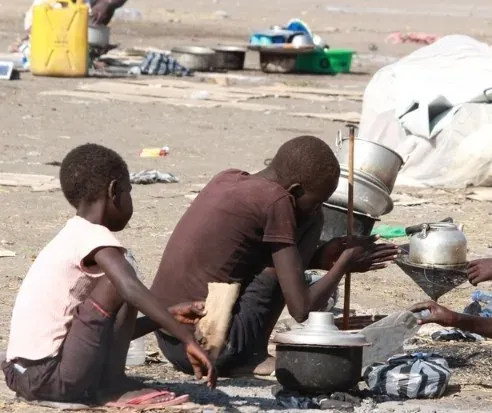
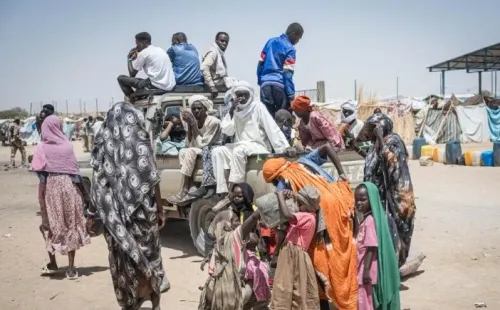
In Sudan, the cost of delivering aid has reportedly doubled in recent months. This comes amid an already catastrophic humanitarian situation in the country, where millions remain displaced and dependent on international assistance.
Warning of Further Constraints Ahead
Wolf stressed that the situation could worsen significantly if the instability persists. "If instability in the Middle East persists, rising costs, delays and limited transport capacity are likely to constrain humanitarian operations further," she said. Aid agencies, already stretched thin by funding gaps and overlapping crises, face the prospect of having to make increasingly difficult choices about where and how to deploy limited resources. The trajectory of the conflict in the Middle East will, in large part, determine how severely the world's most vulnerable populations are affected in the months ahead.
Point of View
Where supply chains were fragile to begin with. A 20-percentage-point drop in transport capacity and doubled costs are not abstractions — they translate directly into fewer tents, less food, and delayed medicine for people with no alternatives. The international community's tendency to treat each humanitarian crisis in isolation is precisely what makes this cascading effect so dangerous and so predictable.
NationPress
19 Sept 2026
Frequently Asked Questions
How is the Middle East crisis affecting global humanitarian aid?
The Middle East crisis has disrupted key maritime routes, including the Strait of Hormuz, causing freight rates to rise by nearly 18% and reducing UNHCR's global transport capacity from 97% to 77%. This has delayed aid delivery and significantly raised costs for humanitarian operations worldwide.
Which regions are most affected by the aid supply chain disruptions?
Africa is bearing a disproportionate burden, with operations in Sudan, Chad, Ethiopia, the Democratic Republic of the Congo, and South Sudan all affected. Aid delivery costs in Sudan have doubled in recent months, and fuel price hikes in Kenya have reduced truck availability for neighbouring countries.
By how much have aid delivery costs increased?
Freight rates from key sourcing countries have risen by nearly 18% since hostilities began. For some shipments — such as relief items from UNHCR's Dubai stockpiles to Sudan and Chad — costs have more than doubled, according to UNHCR spokesperson Carlotta Wolf.
What is the impact of rerouting ships around the Cape of Good Hope?
Rerouting shipments around the Cape of Good Hope, to avoid disrupted Gulf routes, adds up to 25 days to delivery times. This increases both transit time and operational complexity, further straining already stretched humanitarian operations.
What did UNHCR warn could happen if the Middle East instability continues?
UNHCR spokesperson Carlotta Wolf warned that if instability in the Middle East persists, rising costs, delays, and limited transport capacity are likely to constrain humanitarian operations further, putting millions of refugees and displaced people at greater risk.